Hummingbirds are beautiful and fascinating creatures that can add a touch of magic to any backyard. If you’re looking to attract these amazing birds to your yard, there are a few things you can do to make your yard more inviting. Here are our top three tips for attracting hummingbirds:
Tip #1: Food is King
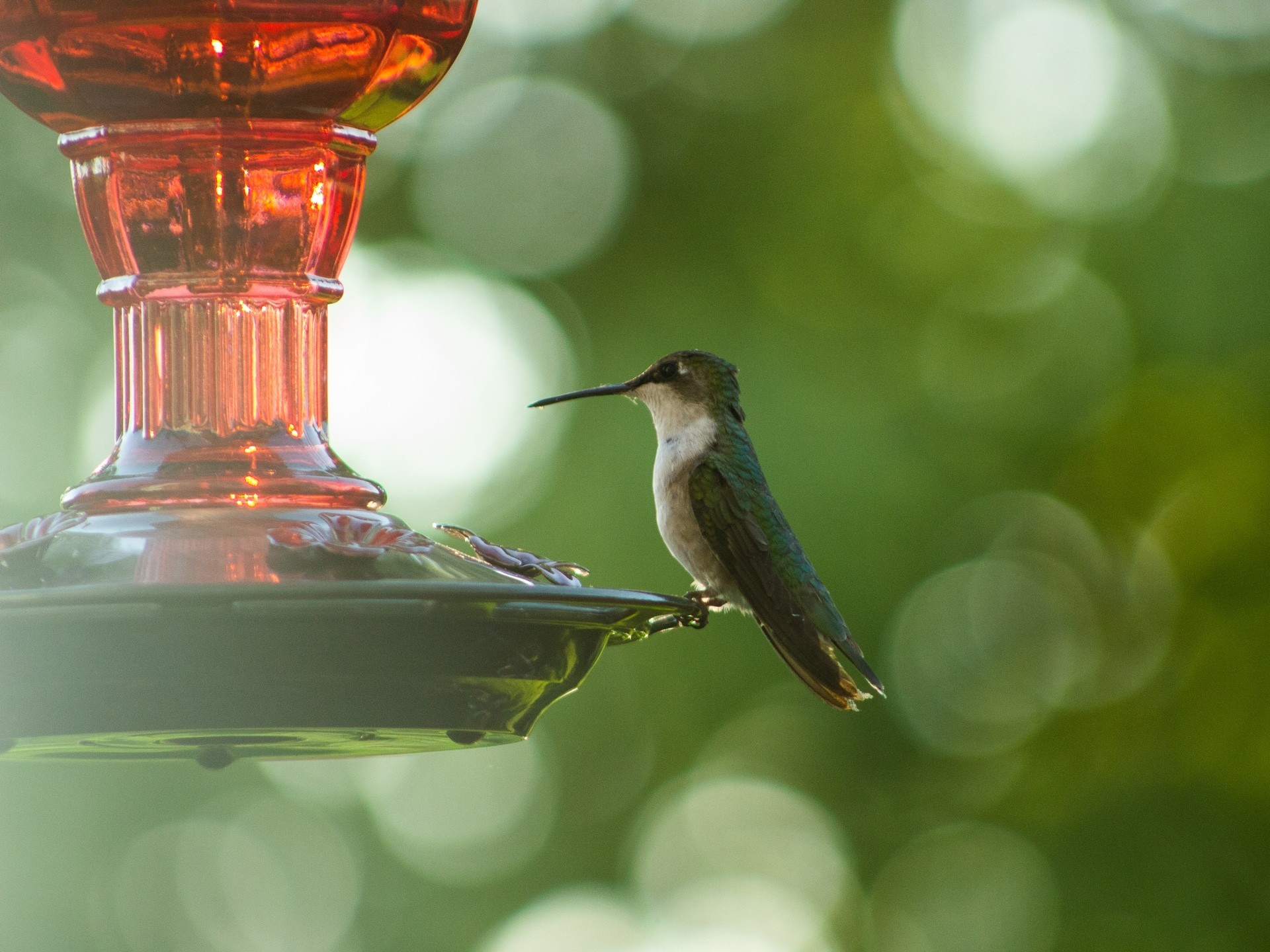
Hang a hummingbird feeder. Hummingbird feeders are a great way to provide these birds with a steady source of food. There are many different types of feeders available, so you can choose one that best suits your needs. Hanging multiple nectar feeders around your yard Is a great way to attract more hummingbirds and also to prevent aggressive male hummers from scaring off other birds.
Clean and change the hummingbird nectar regularly, we recommend every 3-5 days. You can either buy a nectar concentrate like this Clear Hummingbird Nectar Concentrate or make your own! For every cup of water you need ¼ cup sugar; boil the mixture for a few minutes and then let it cool.
Lurvey Pro Tip – Do not use honey, brown sugar or any sugar substitutes.
Tip #2: Hummingbirds Need Water Too
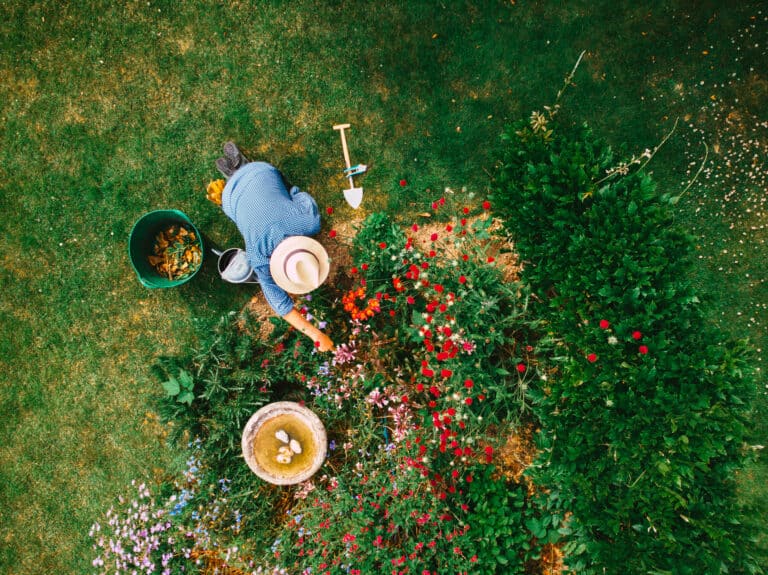
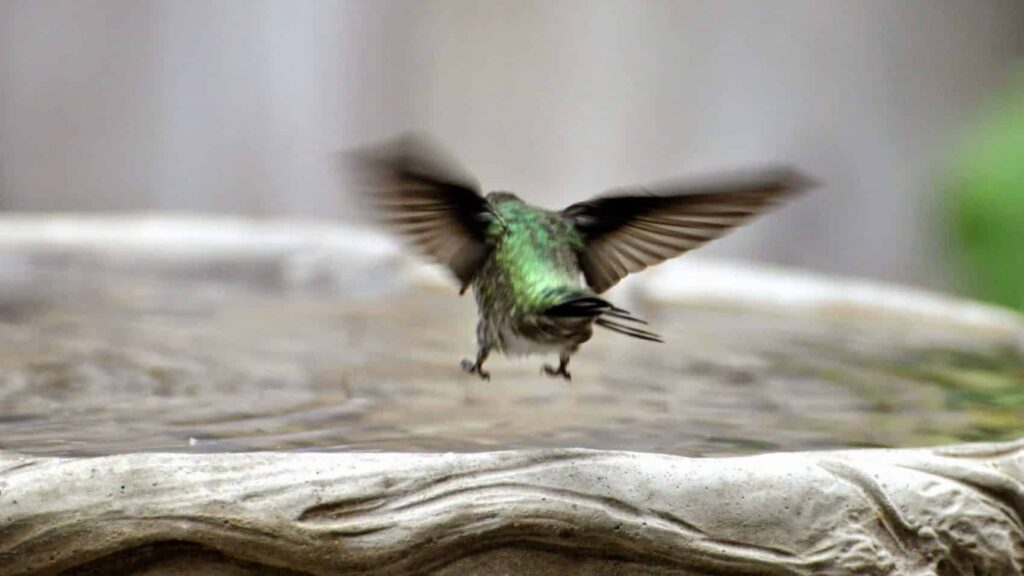
Hummers don’t need drinking water, but they still need water to wash the sticky residue off their feathers! Provide a shallow birdbath, fountain or stream. A normal birdbath is too large and too deep for hummingbirds, but adding stones to the bath will make it shallower. Again, it’s important to ensure that the water is clean and not stagnant.
Tip #3: Create the Right Environment
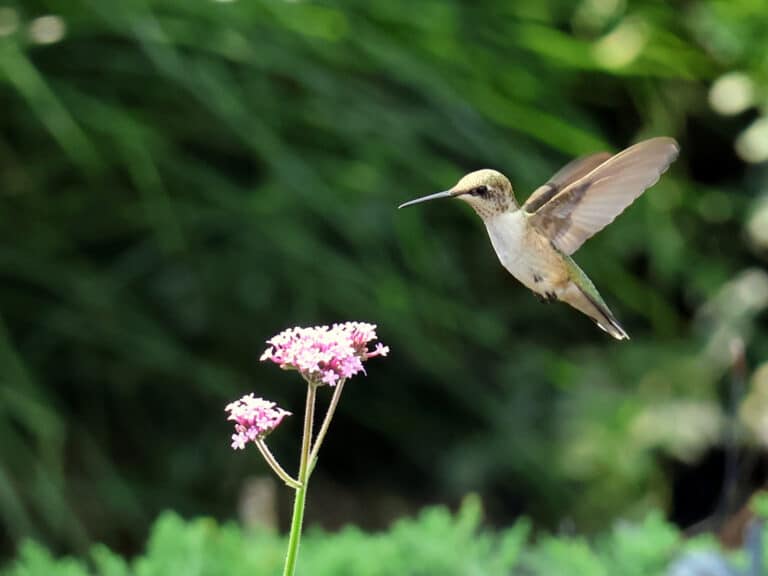
There is nothing better than providing the plants that hummingbirds love. Grow native plants that provide food in your garden including salvia, fuschia, trumpet creeper, lupin, columbine, bee balm, and foxglove.
Eliminate and avoid the use of pesticides and herbicides as these are toxic to birds. Not only are hummingbirds attracted to flowers that may have pesticides and herbicides on them but pesticides can also eliminate the insects that hummingbirds rely on for food.
Provide a safe place for hummers to rest and sleep. These can be small perches, thin branches bare of leaves, trees, shrubs, or even a clothesline or swings. These provide shelter from predators as well as cooler overnight temperatures.
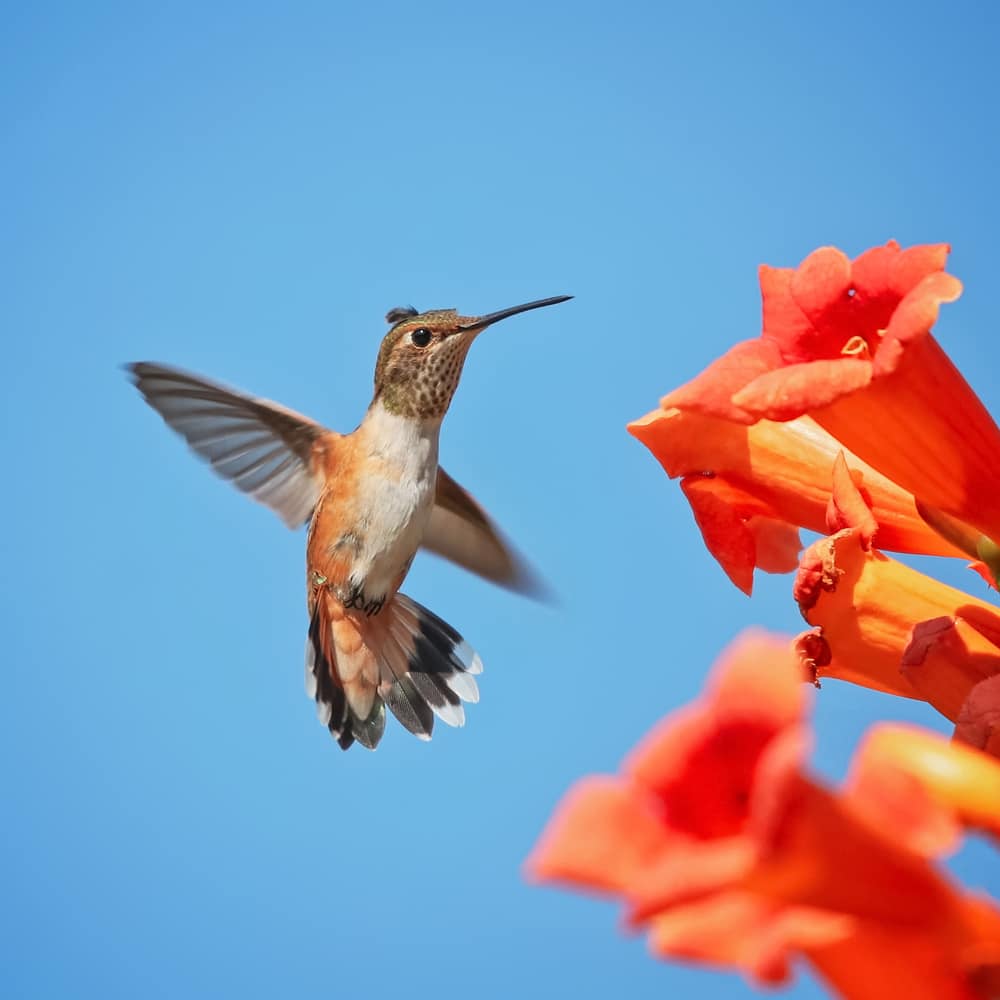
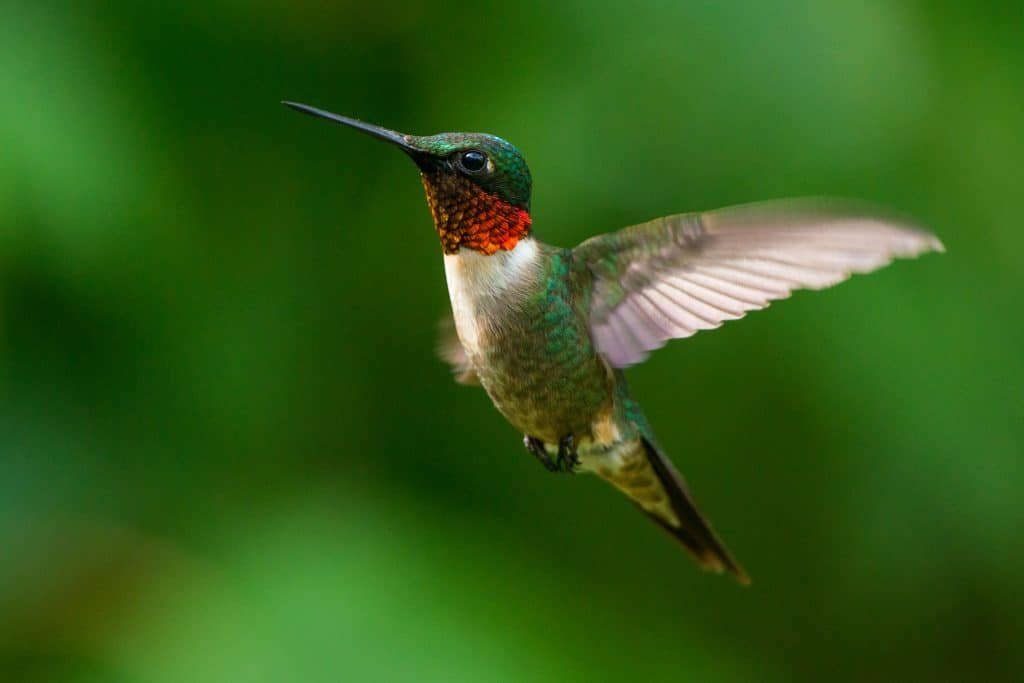
Keep those three tips in mind and before you know it the Ruby-throated hummingbird, the only hummingbird that visits our area, will start to arrive in April. The most important thing to remember is that it’s imperative to set up your feeders well in advance to attract migrating hummers. The cool weather will prevent the nectar from spoiling until they arrive. You can utilize this migration map to keep track of when hummingbirds will be arriving so you don’t miss out on these beautiful creatures this season!
Lurvey bonus tip: be patient.
It may take some time for hummingbirds to find your yard, but if you provide them with the right habitat, they’ll eventually come calling. Again, make sure to have their hummingbird feeders set up before they arrive. Also, if you have had hummingbirds in the past, they will return to the same feeder every year. If these feeders are not out, the hummingbirds may leave to look somewhere else and never return. It’s true that our little friends come back to us loyally, but they cannot live more than hours without nectar.
Hummingbird Feeder FAQ: Best Ways to Attract More Hummingbirds
If you are wondering what attracts hummingbirds and how to keep them coming back, these common feeder questions will help you create the best setup and nectar routine.