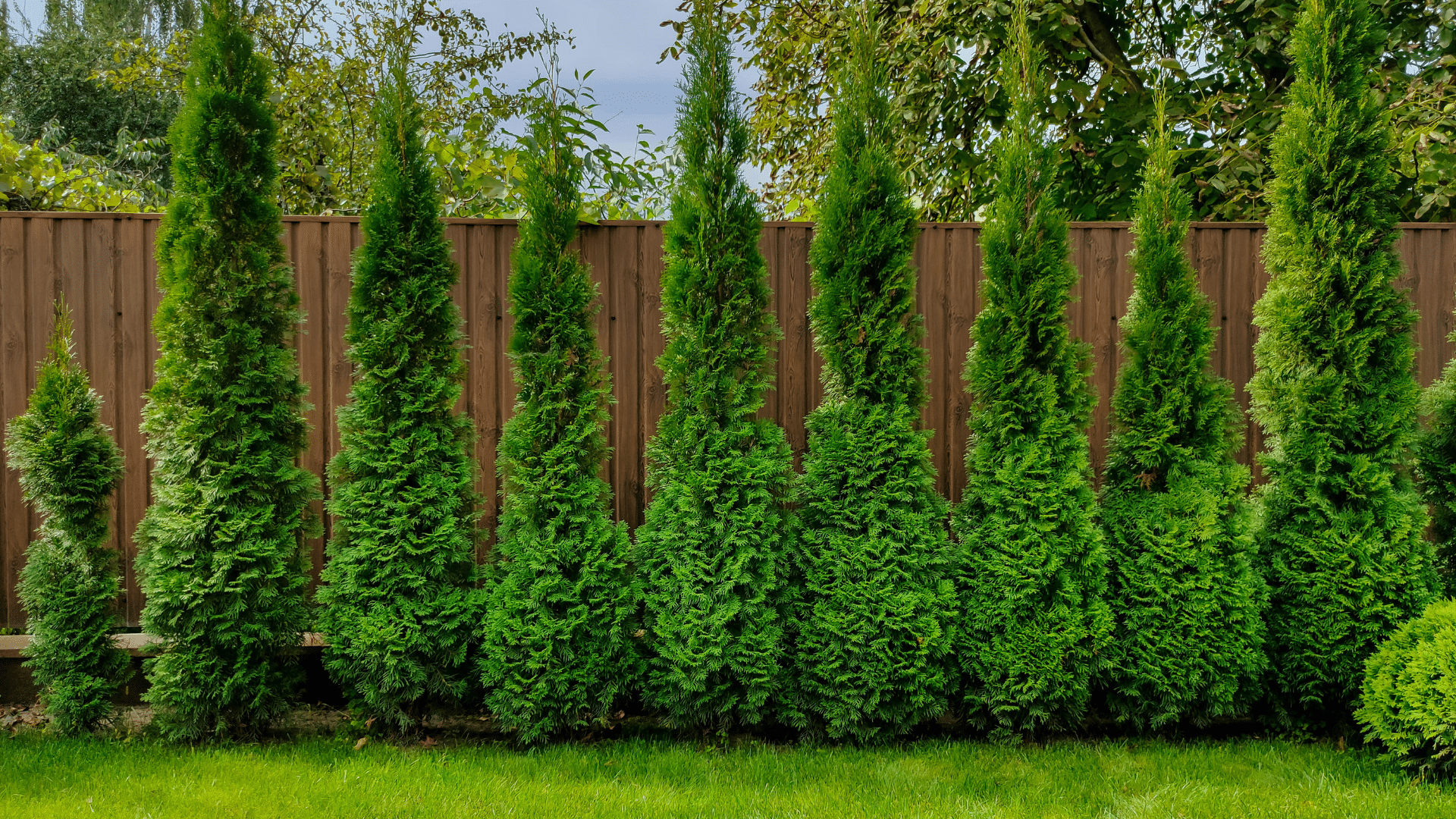
Thuja is the genus, and there are five main species of Arborvitae. The two species that are best for our area are “occidentalis” with common names of Eastern Arborvitae, American Arborvitae, and Eastern White Cedar, and “plicata” with the common name of Western Red Cedar. Of these two, there are many “varieties” listed below.
Example: Emerald Green Arborvitae is Thuja occidentalis “Emerald Green.” (Genus species “variety”)
|
Thuja occidentalis Varieties: |
Height |
Spread |
Distance Apart |
|
Dark Green |
18-20′ |
6-10′ |
5-8′ |
|
De Groot |
15-20′ |
4-6′ |
2-3′ |
|
Emerald Green |
15-18′ |
3-4′ |
2.5-3’ |
|
Mission |
10-15′ |
6-10′ |
4-8′ |
|
Wintergreen |
20-30′ |
5-10′ |
4-8′ |
|
Yellow Ribbon |
8-10′ |
2-3′ |
2-3′ |
|
Bowling Ball |
2-3′ |
2-3′ |
|
|
Danica |
2-3′ |
2-3′ |
|
|
Fire Chief |
3-4′ |
3-4′ |
|
|
Bowling Ball |
3-4′ |
3-4′ |
|
|
Woodward |
3-5′ |
3-5′ |
|
Thuja plicata Varieties: |
Height |
Spread |
Distance Apart |
|
Green Giant |
40-60′ |
12-18′ |
5-10′ |
|
Whipcord |
3-5′ |
3-5′ |
Arborvitae perform best in full sun to partial shade. They can tolerate full shade, but growth will be less dense, and colored varieties may turn green. Once established, they need about one inch of water per week, with more frequent watering during the first few weeks after planting.
They are commonly used for foundation plantings, privacy hedges, or accents. Potential issues include insects like bagworms, spider mites, and scale, as well as diseases such as tip blight, canker, and root rot. Environmental stress is the most common concern, including improper watering, drying winter winds, and heavy snow.
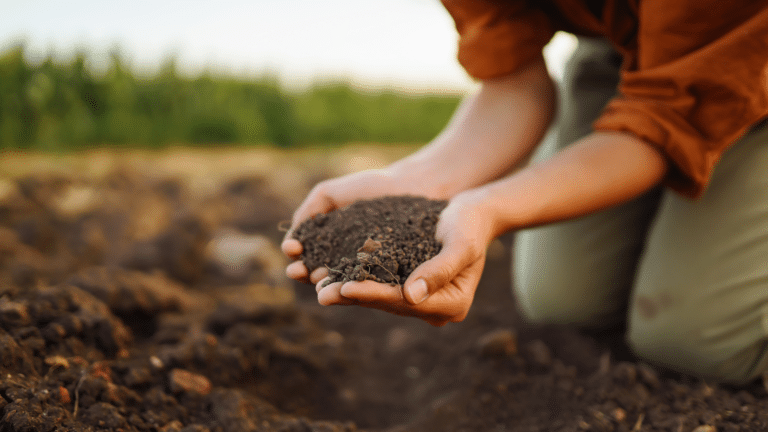
These issues can be minimized by planting in well-drained soil with compost and mulch, choosing a sunny to partly sunny location, and providing protection from winter winds.