Natural stone walls bring structure to a landscape without making it feel overly manufactured. Each piece contributes its own color, texture, and natural variation, creating walls that feel connected to the surrounding plants, hardscapes, and architecture.
While retaining grade may be the first application that comes to mind, natural wallstone can do much more. No matter what kind of outdoor living project is being created, natural wallstone can be used to shape outdoor rooms, create seating, elevate planting areas, and introduce vertical interest throughout a property.
Key Takeaways for Choosing Natural Stone Wallstone
- Start with the wall’s purpose. Retaining walls, seat walls, garden walls, raised planting beds, and decorative borders can have different material and installation requirements.
- Match the wallstone to the project. Consider the wall’s purpose, design, and installation requirements when selecting stone for the intended application.
- Consider more than color. Stone shape, thickness, course height, face texture, and edge treatment can influence both the finished appearance and how the material works within the project.
- Plan for natural variation. Differences in color, texture, and shape are natural characteristics of stone and contribute to the unique appearance of a finished wall.
- Coordinate wallstone with the surrounding landscape. Consider how the stone relates to pavers, patios, architecture, planting areas, and other hardscape materials when making a selection.
- Account for site and structural conditions. Wall height, slope, soil, drainage, and additional loads can affect material selection and installation requirements, particularly for retaining walls.
Why Choose Natural Stone Wallstone?
Natural stone offers an authentic appearance that manufactured materials can only interpret. Variations in color, veining, texture, and edge character give each installation a distinctive identity.
Those variations also make wallstone highly adaptable. A warm, weathered stone can settle naturally into a woodland-inspired landscape. A gray stone with straight, consistent lines can complement contemporary architecture or create a more formal presentation. Homeowners and contractors can also coordinate wallstone with existing masonry, natural stone paving, concrete pavers, and other hardscape materials.
Natural stone develops character as it ages. Instead of depending on a surface treatment to create visual interest, its appearance comes from the material itself.
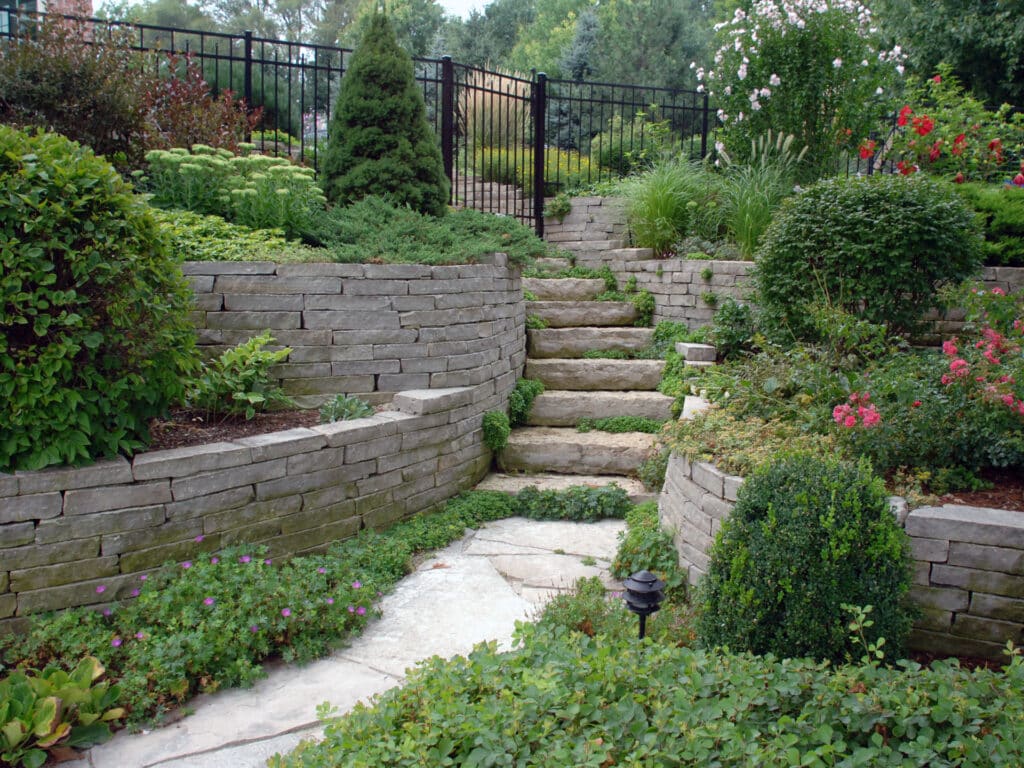
More Than Retaining Walls
Natural wallstone can solve elevation changes, but its value extends well beyond that single function. Its substantial form, natural texture, and range of colors make it a versatile material for defining spaces and adding structure throughout the landscape. Wallstone can create a clear transition between a patio and planting bed, frame an outdoor living area, or introduce vertical interest to an otherwise flat design.
Because each piece has its own shape and character, natural wallstone also brings a more organic, established look than many manufactured alternatives. It can be carefully fitted for a refined appearance or arranged more casually for a relaxed, naturalistic feel. From functional grade changes to decorative accents, wallstone gives homeowners and landscape professionals a durable way to add dimension, definition, and lasting visual interest to outdoor spaces.
Seat Walls and Garden Walls
Low walls can define patios, gathering areas, and transitions between hardscape and planting beds. When designed with the correct height, depth, and cap, a wall can also provide additional seating without adding more outdoor furniture.
Raised Planting Beds
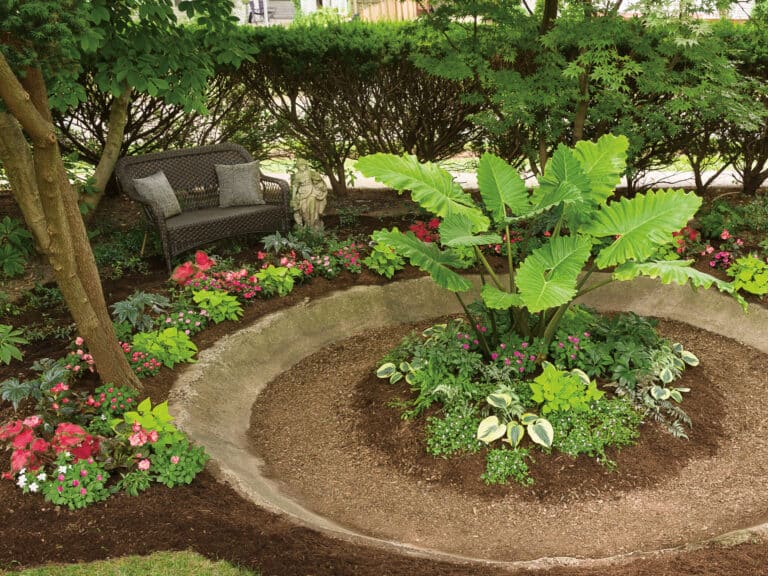
A natural stone wall can elevate flowers, ornamental grasses, shrubs, or edible gardens. Raised beds create stronger visual layers and can turn a simple planting area into a true focal point of the landscape.
Landscape Borders and Grade Changes
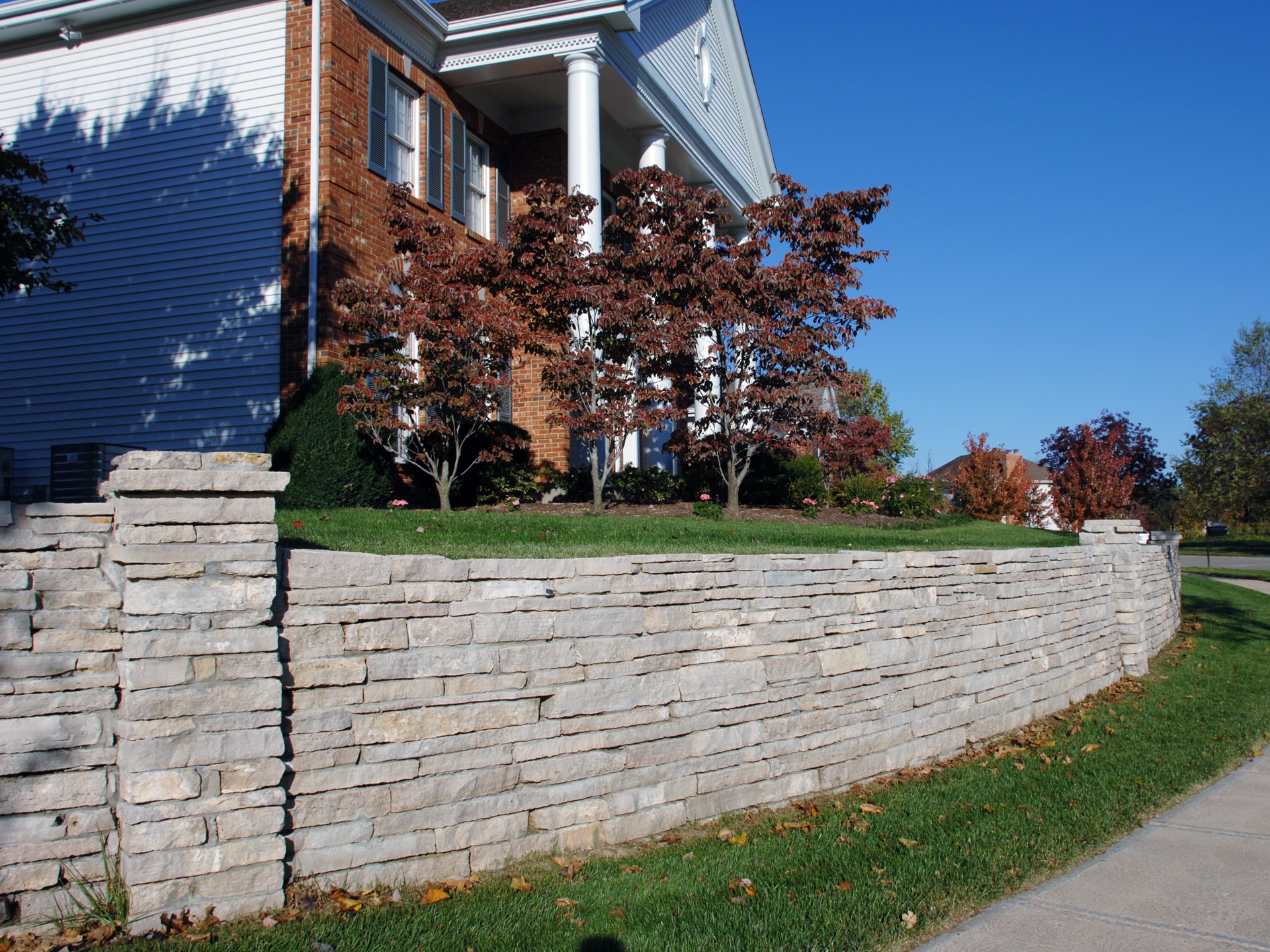
Wallstone can establish a clear edge between lawns, planting beds, walkways, and patios. It can also help to manage smaller grade transitions while making the elevation change feel integrated and intentional.
Fire-Feature Surrounds
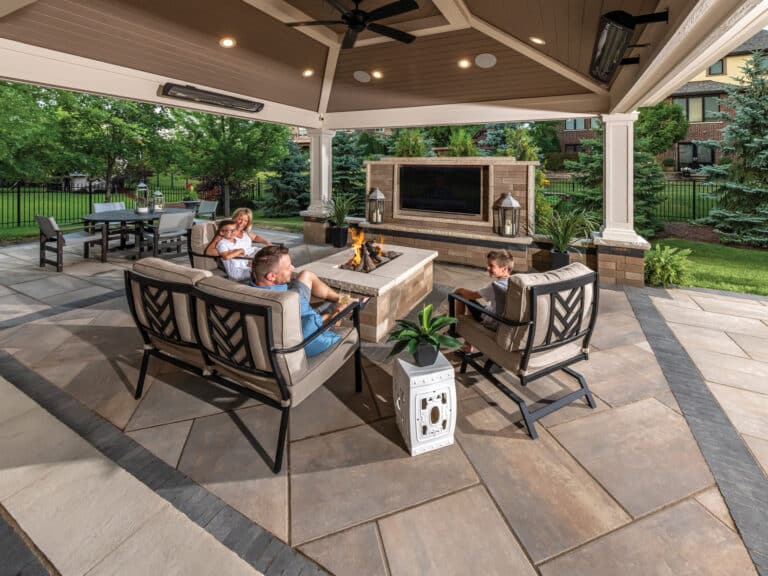
Natural stone can visually connect a fire feature to the surrounding landscape and hardscape. The wallstone should serve as part of a properly designed assembly that follows the fire-feature manufacturer’s clearances and material requirements.
Water Features and Vertical Accents
Wallstone can be utilized to form waterfalls, pond edges, and other decorative vertical elements. Its texture and natural variation work especially well in designs intended to feel integrated with the landscape.
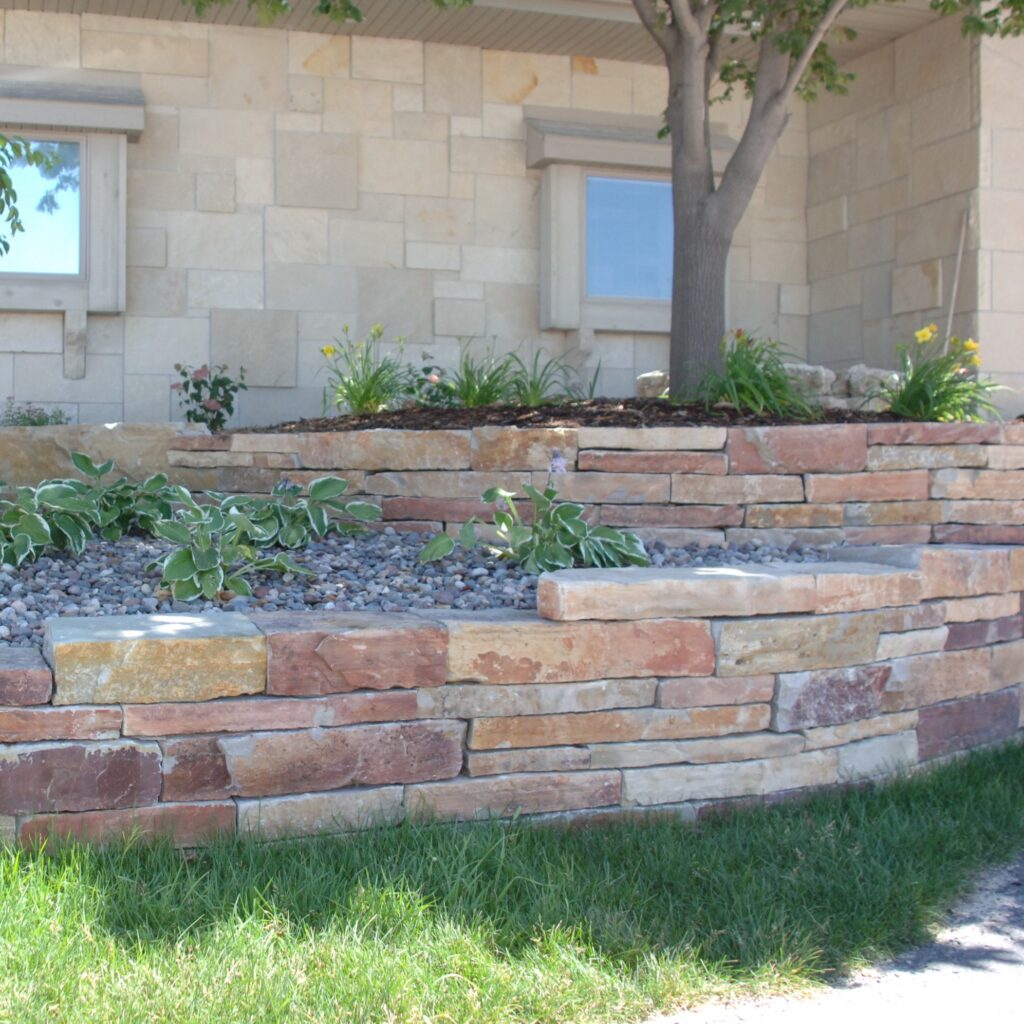
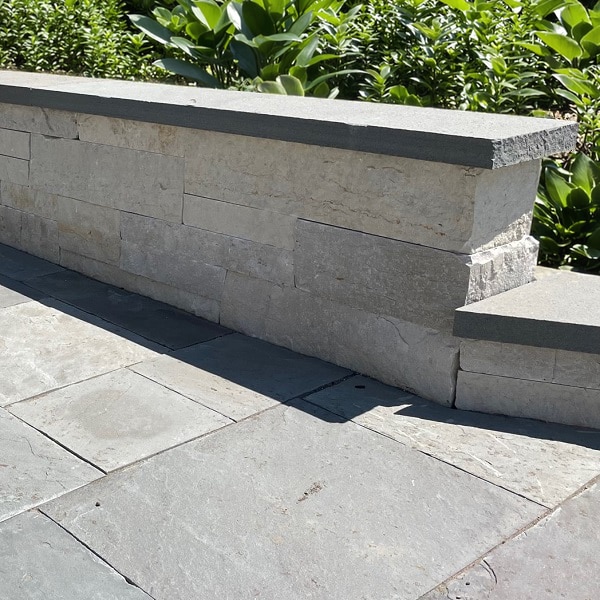
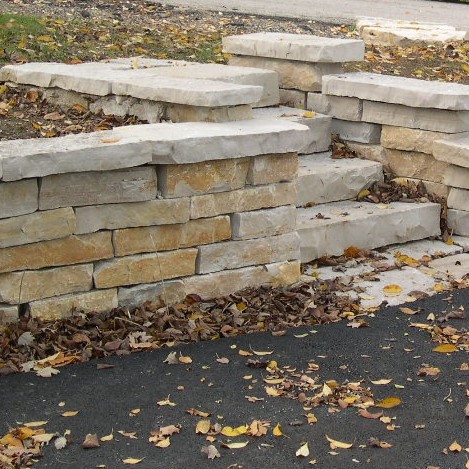
Natural Stone Wallstone Options at Lurvey
Lurvey offers wallstone in a range of colors, textures, course heights, and depths. Many stone families are available in multiple cuts or thicknesses, allowing contractors or homeowners to select material that fits both the desired appearance and construction requirements.
Eden
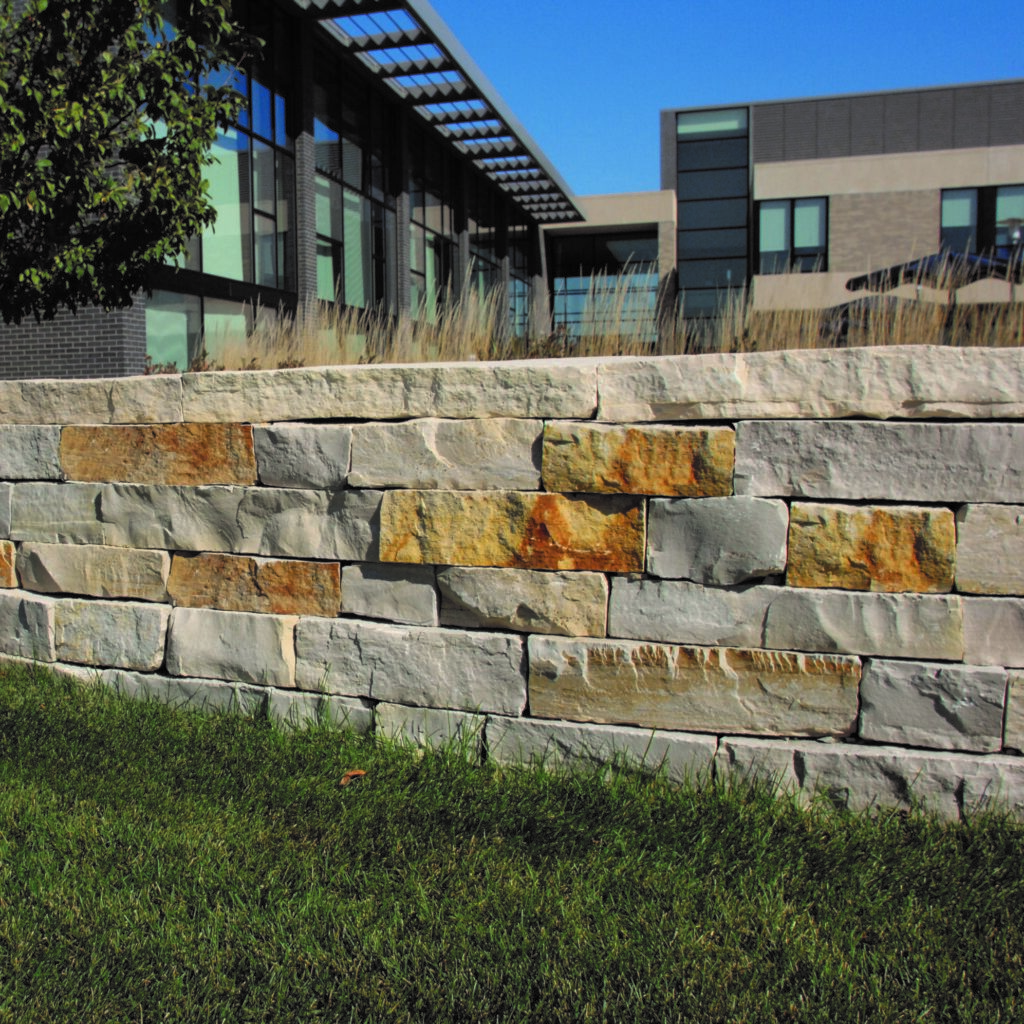
Eden wallstone blends casual, medium golden-brown tones with relatively straight, stackable lines. Its carefully selected and graded pieces can help create more consistent courses and an efficient installation. Eden works especially well when a project calls for natural warmth without an overly rugged appearance.
Chilton
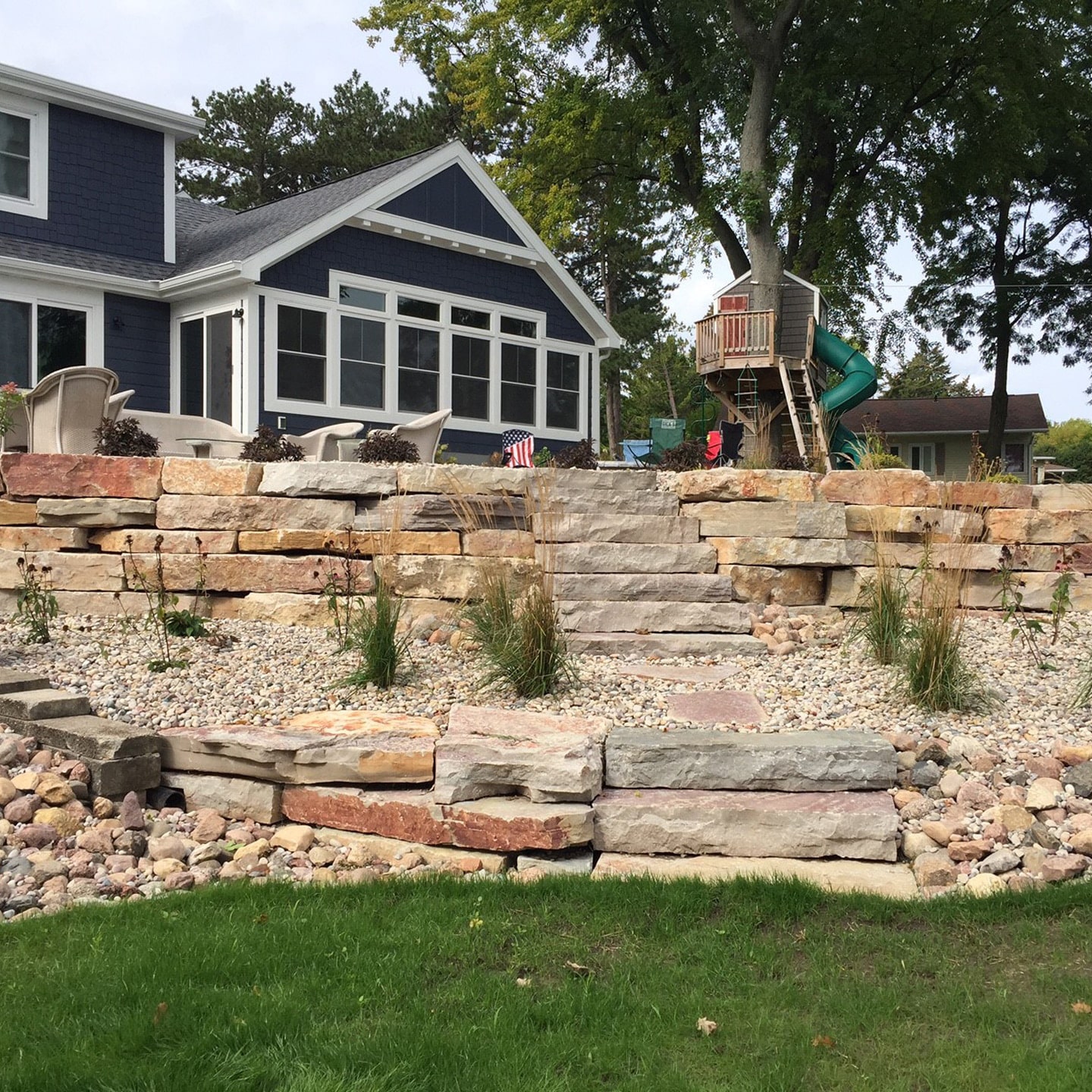
Chilton wallstone delivers one of the boldest color palettes in the collection. Browns, buffs, rust, red, and subtle purple tones create noticeable movement across the wall. It is a strong choice when the wall should become a featured design element instead of quietly blending into the background.
Fond du Lac Gray
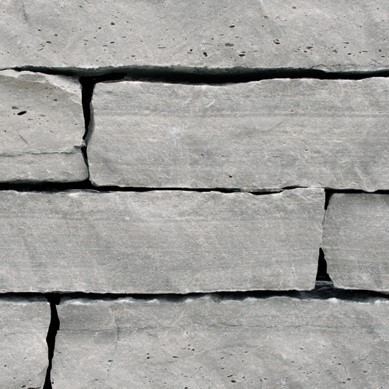
Fond du Lac Gray wallstone is a dense, naturally layered limestone featuring restful shades of gray and buff. Its restrained palette and substantial courses can produce a more formal or composed appearance. It pairs naturally with gray pavers, traditional masonry, and cooler architectural finishes.
Highland Brown
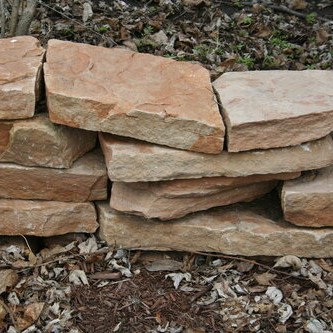
Highland Brown wallstone features weathered seam faces and a broad mix of light and dark brown, tan, auburn and tawny tones. Its natural surface creates a rustic appearance with plenty of character. Consider it for landscapes where the wall should feel established and closely connected to its surroundings.
Mountain Crest
Mountain Crest wallstone combines straight, stackable lines with primarily gray coloring. Natural inclusions add depth and keep the finished wall from appearing too uniform. It offers a useful balance between organic variation and a cleaner overall structure.
Empire
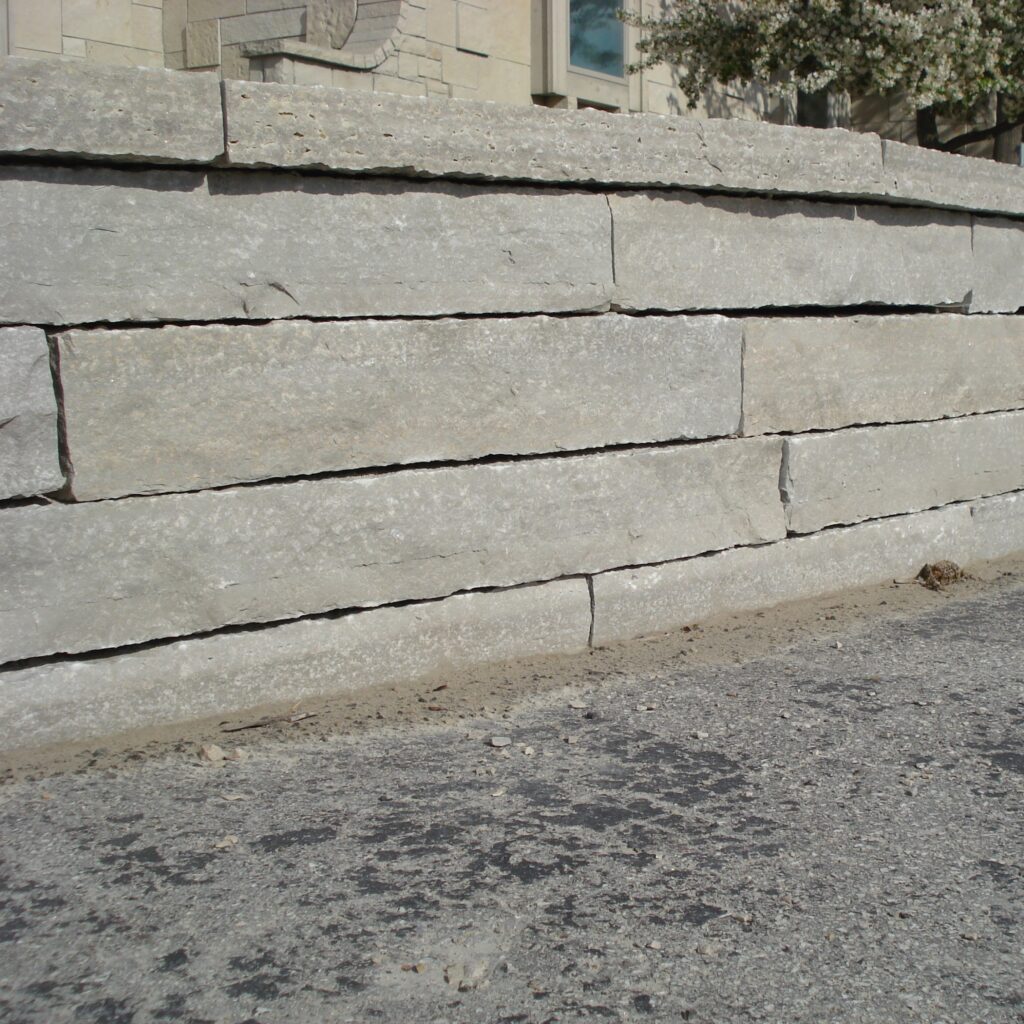
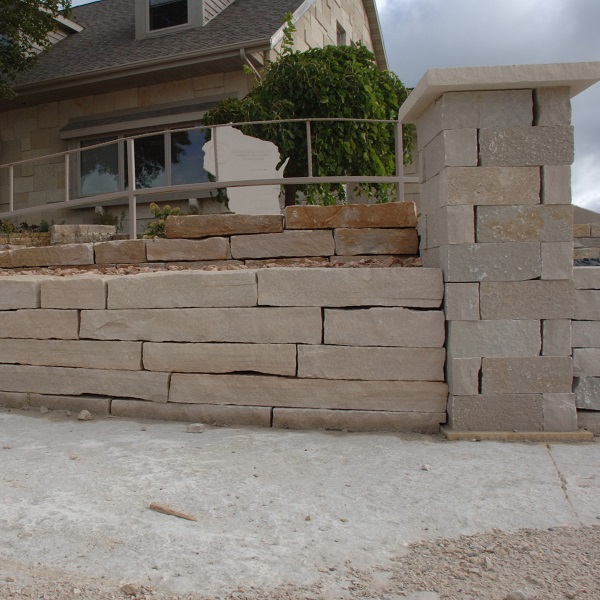
Empire wallstone ranges from warm buff to burnt sienna. Its rugged face texture, distinctive markings, and variations across longer pieces give it a bold, informal personality. Empire can bring warmth to large expanses of hardscape or create a strong contrast against green plantings.
Bluestone
Bluestone wallstone offers a full-range color blend and varied course heights. The material’s sawn surface and naturally varied coloring can coordinate well with bluestone patios, walkways, steps, and other landscape elements. It is especially useful when a design calls for continuity across horizontal and vertical surfaces.
Indiana Limestone
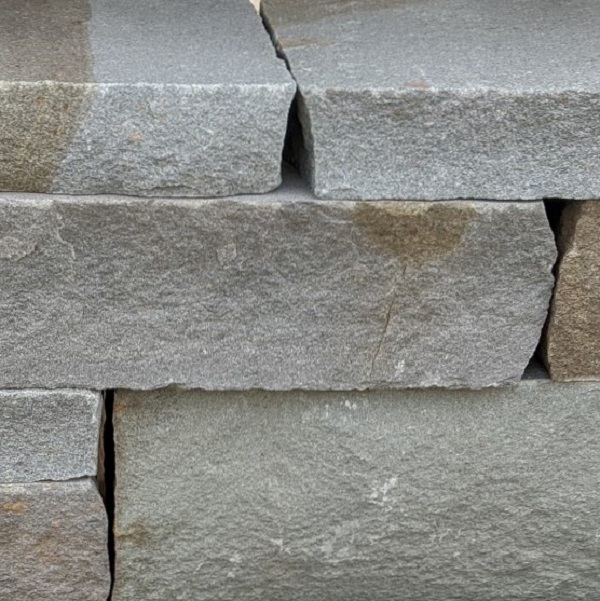
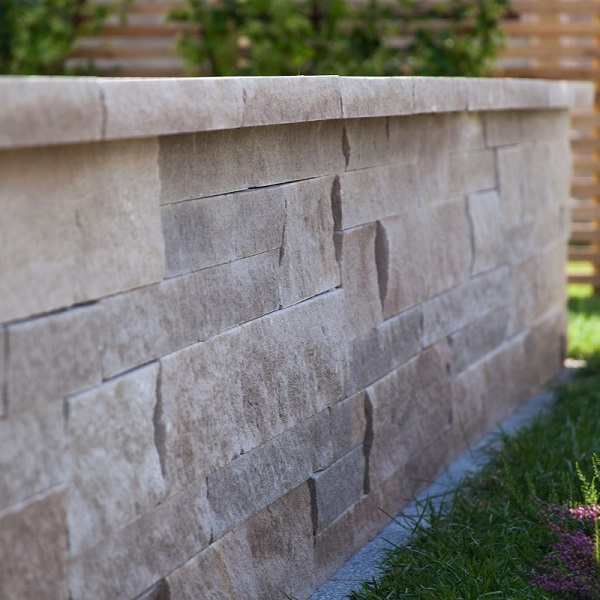
Indiana Limestone wallstone features sawn heights, snapped faces, and a versatile full-color blend. This cut drywall selection is intended for dry-stacked, non-retaining garden walls, flowerbeds, and landscape accents. Its consistent dimensions make it a strong option for clean, orderly designs where structural retention is not required.
How to Select the Right Natural Stone Wallstone
The best stone is not determined by color alone. Consider the complete installation before making a selection. Think about the wall’s purpose, the surrounding landscape, the desired level of formality, and the visual relationship between the stone, home, and other hardscape materials. A retaining wall may require a different shape, thickness, and installation approach than a seat wall, raised planting bed, or decorative garden border.
It is also important to consider how the stone will look across a larger installation. Natural wallstone varies in color, texture, size, and pattern, so reviewing multiple pieces together can help you understand the overall character of the material. Comparing samples in the intended setting and discussing the project with a knowledgeable Lurvey team member can make it easier to choose a stone that performs well and complements the finished landscape.
Coordinate the Color Palette
Compare the wallstone with the home, existing masonry, pavers, steps, and other materials that will remain in the landscape. Warm stones can soften large paved areas, while gray and neutral stones can support a cleaner or more formal design.
Consider Texture and Course Height
Straight, stackable pieces create a different finished appearance than weathered or highly textured stone. Course thickness also affects the scale of the wall. Smaller courses can add detail, while thicker pieces create a heavier and more substantial look.
Confirm the Intended Application
A garden wall, freestanding seat wall, and retaining wall all have different construction requirements. Wall height, soil conditions, slope, drainage, and additional loads can affect the appropriate material and installation method. Taller or load-bearing walls may require engineering and must follow applicable codes.
Plan for Natural Variation
Color, texture, and dimensions will vary within natural stone. Whenever possible, review current material and blend pieces from multiple pallets during installation. This helps distribute the variation more evenly throughout the finished wall.
Calculate Material by the Finished Face
Estimate the visible square footage of the wall, then account for the expected coverage of the selected product, including cuts, corners, and reasonable installation waste. Because coverage varies by stone and course thickness, confirm quantities with our natural stone team before ordering.
Build More Into the Landscape
Whether you are building a retaining wall, defining a planting bed, creating a seat wall, or adding structure around a patio, natural wallstone brings lasting character and visual weight to the landscape. Its natural variation helps each installation feel integrated with the surrounding environment, while its durability makes it a practical choice for projects designed to be enjoyed for years.
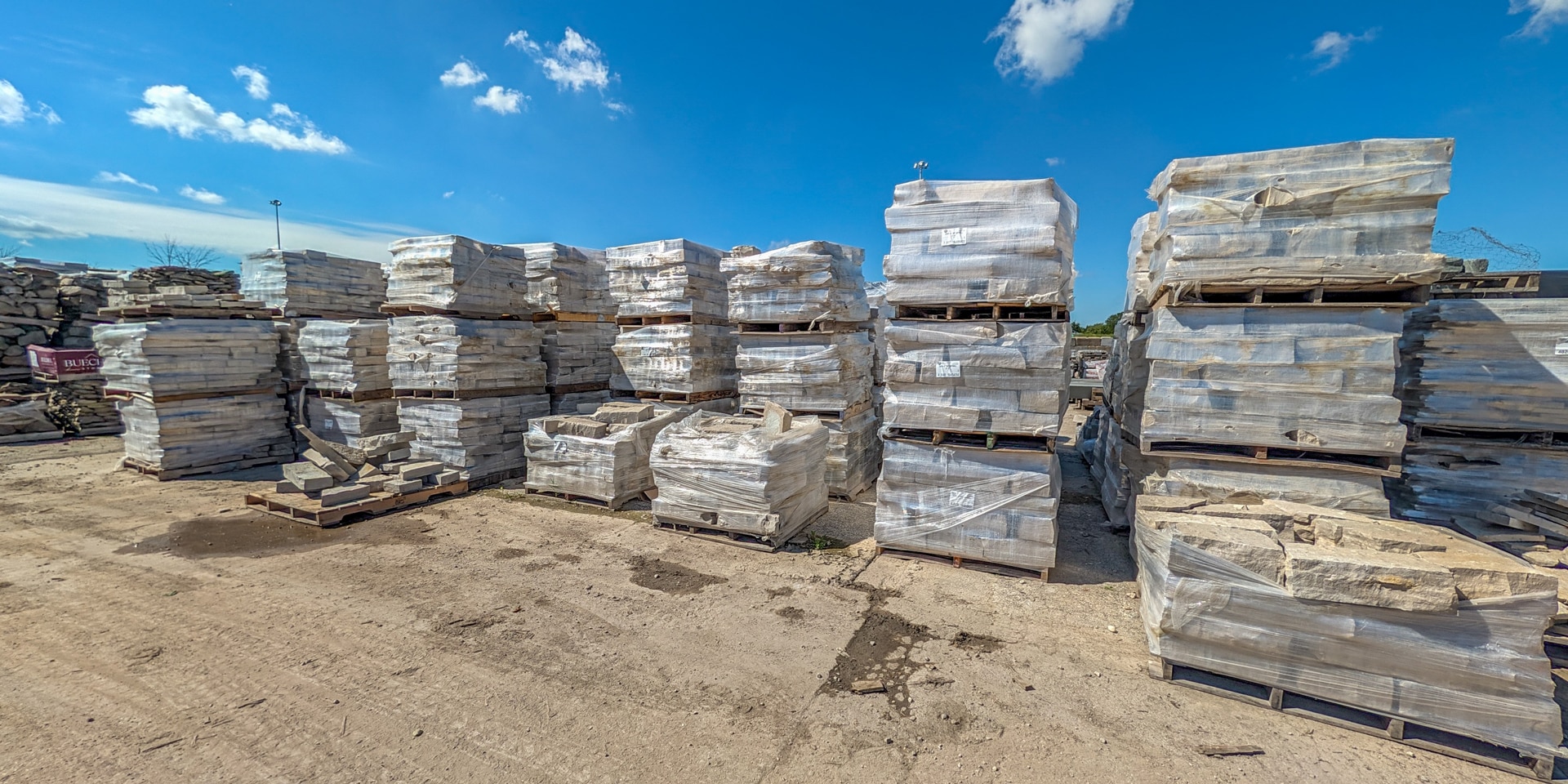
Explore Lurvey’s natural stone wallstone selection to compare colors, textures, and stone types, or talk with your Lurvey representative about material availability, sizing, and quantities for an upcoming project. Lurvey can help you find the right wallstone for the design, site conditions, and installation requirements.