Outdoor living has evolved far beyond a simple patio or deck. Today, homeowners are approaching their landscapes much like the interiors of their homes. Instead of treating the yard as one open area, they are creating outdoor rooms designed for gathering, dining, relaxing, and entertaining.
This approach brings structure and purpose to a backyard, patio, or balcony. With a thoughtful layout, comfortable furniture, shade, lighting, plants, and personal touches, an outdoor space can feel every bit as inviting as the rooms inside your home.
You do not need an expansive yard to make it work. Even a compact space can support more than one purpose when each area is planned with intention.
Key Takeaways for Creating Outdoor Rooms
- Give each outdoor room a purpose. Start by deciding how you want to use the space, whether that means dining, relaxing, entertaining, gardening, or gathering around a fire.
- Create boundaries without building walls. Pavers, outdoor rugs, planters, pergolas, furniture arrangements, pathways, and changes in elevation can visually separate one outdoor room from another.
- Use furniture to establish function. Seating can create an outdoor living room or conversation area, while a dining table gives meals and gatherings a defined destination.
- Add comfort with shade and greenery. Shade structures, plants, pottery, and other landscape elements can make outdoor rooms feel more comfortable and connected to the surrounding landscape.
- Create a natural gathering point. Fire features can provide warmth, light, and a focal point that encourages people to spend time together.
- Plan for the evening hours. Layered landscape lighting can improve visibility while adding depth and atmosphere to outdoor rooms after sunset.
What Is an Outdoor Room?
An outdoor room is a defined area of your landscape designed around a particular activity or experience. It might be a dining space beside the grill, a conversation area centered around comfortable seating, or a quiet corner surrounded by plants.
Unlike an indoor room, it does not need solid walls. Boundaries can be created with a change in paving pattern, an outdoor rug, a row of planters, a pergola overhead, or simply a well-planned furniture arrangement. These visual cues help each space feel distinct while allowing the entire landscape to remain connected.
Start by Defining How You Want to Live Outside
Before selecting furniture, materials, or accessories, think about how you want to use the space. A beautiful outdoor area works best when it supports the way you actually live.
Consider the activities you already enjoy and the ones you would like to make easier. Do you host family dinners? Prefer quiet mornings with coffee? Want a comfortable place for friends to gather around a fire? Your answers will help determine which outdoor rooms deserve priority.
Most successful outdoor living spaces include a combination of five common zones:
The Outdoor Living Room
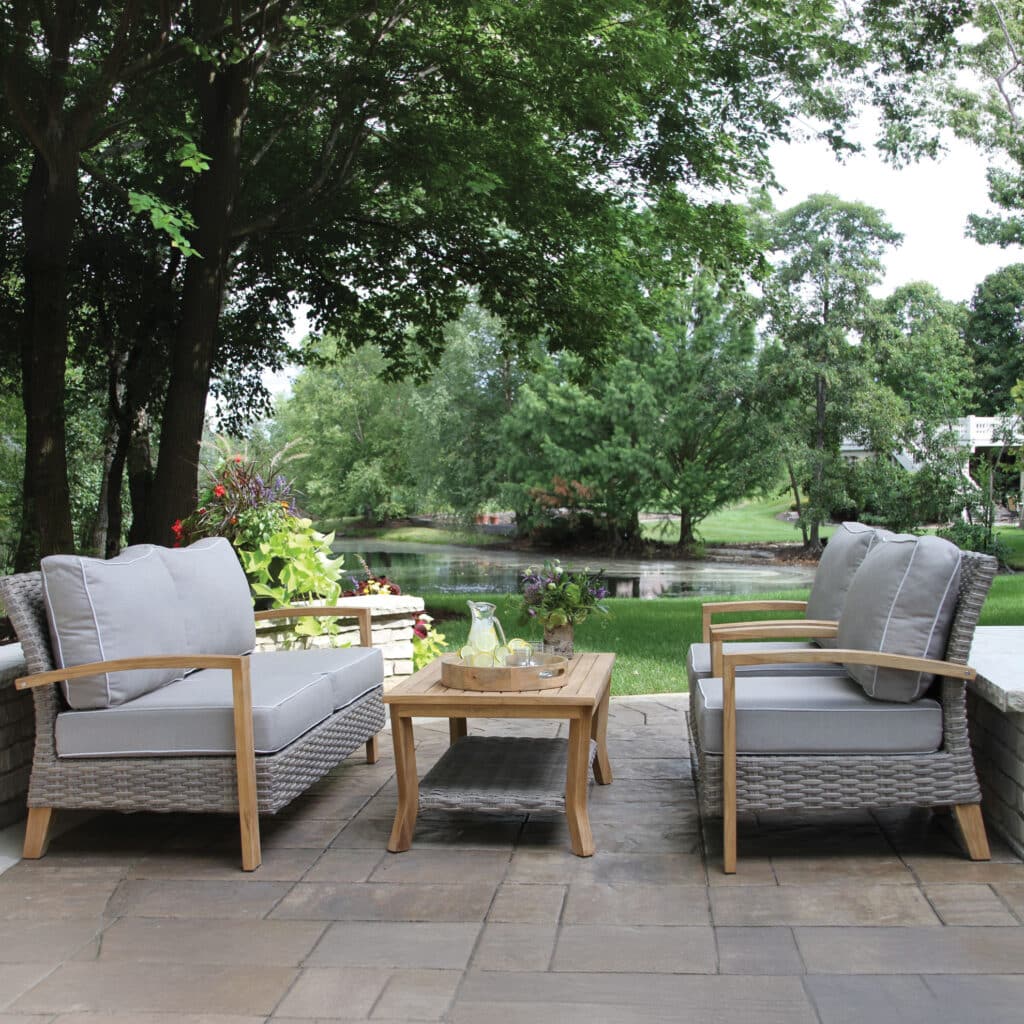
Comfortable seating, an outdoor rug, and soft lighting create a relaxed destination for conversation, reading, or unwinding.
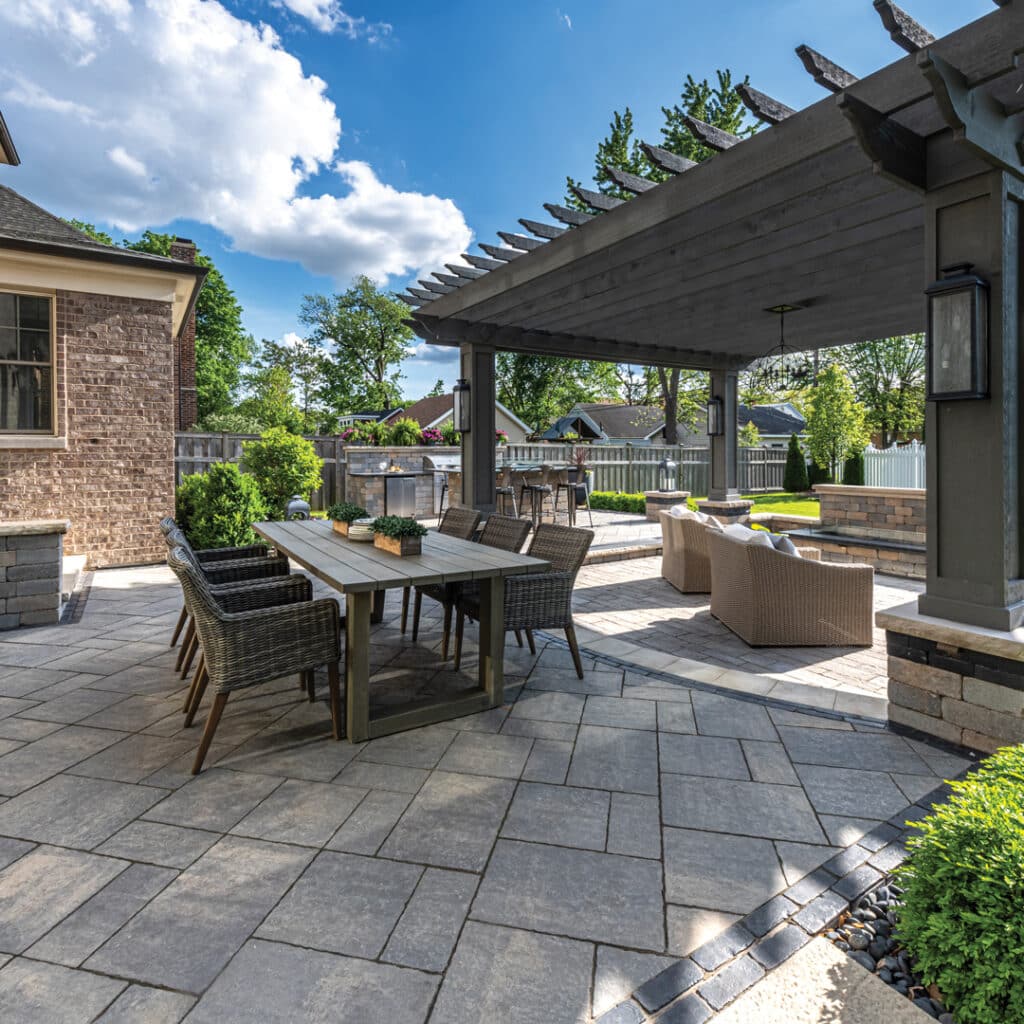
The Dining Area
A dedicated place for meals makes entertaining easier and encourages more time outdoors with family and friends.
The Fire Gathering Space
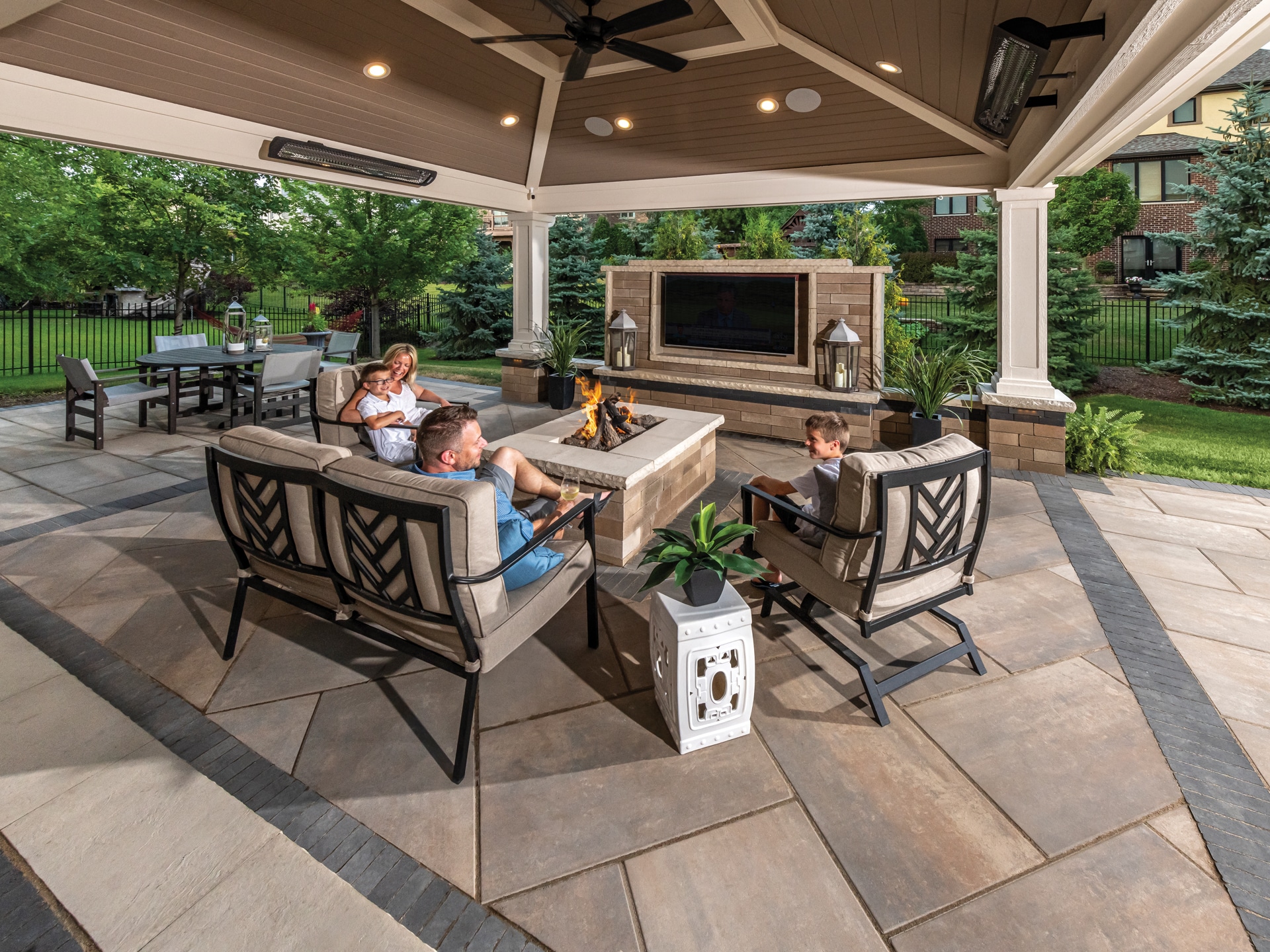
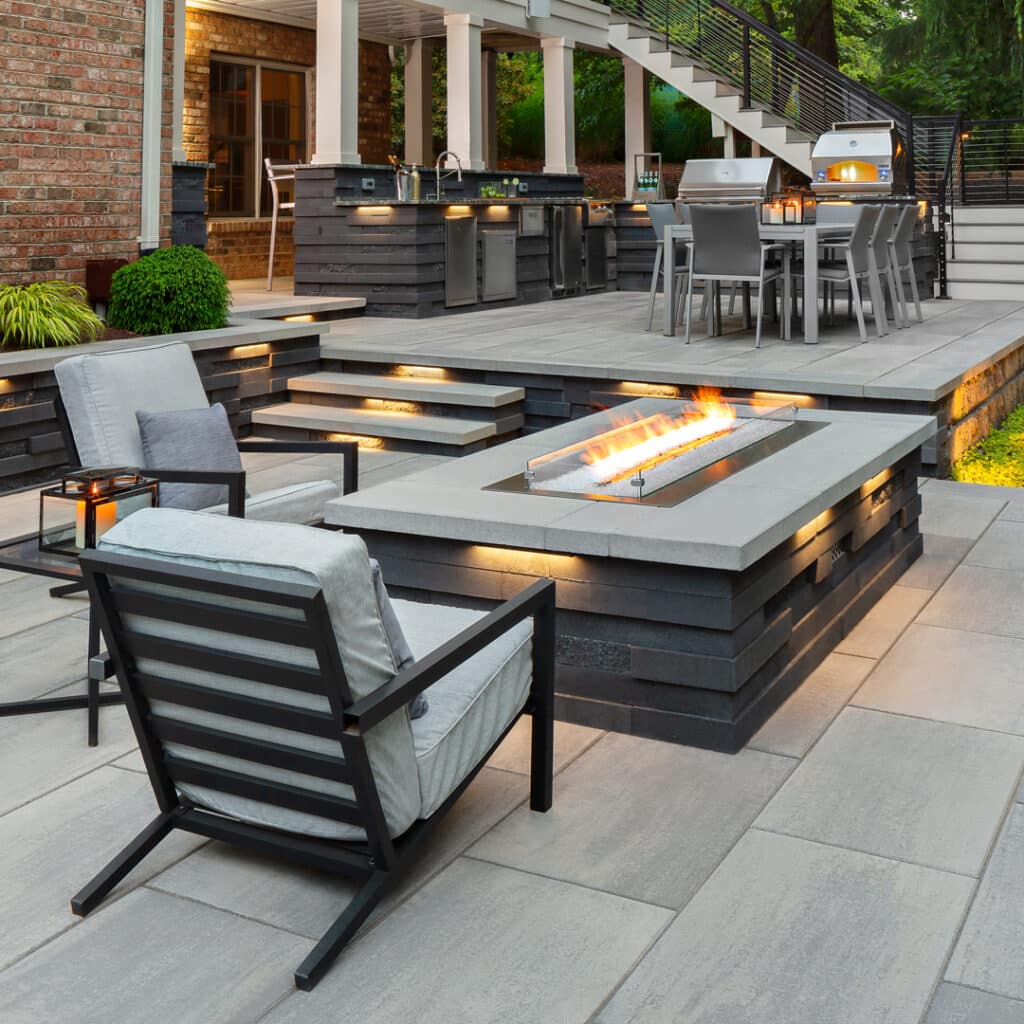
A fire pit, fire table, or outdoor fireplace creates a natural focal point and extends outdoor living opportunities into cooler late summer and fall evenings.
The Garden Room
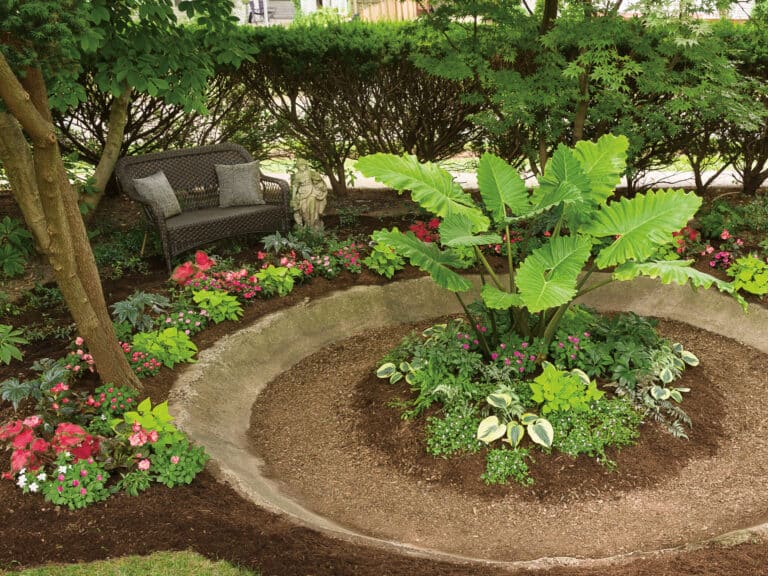
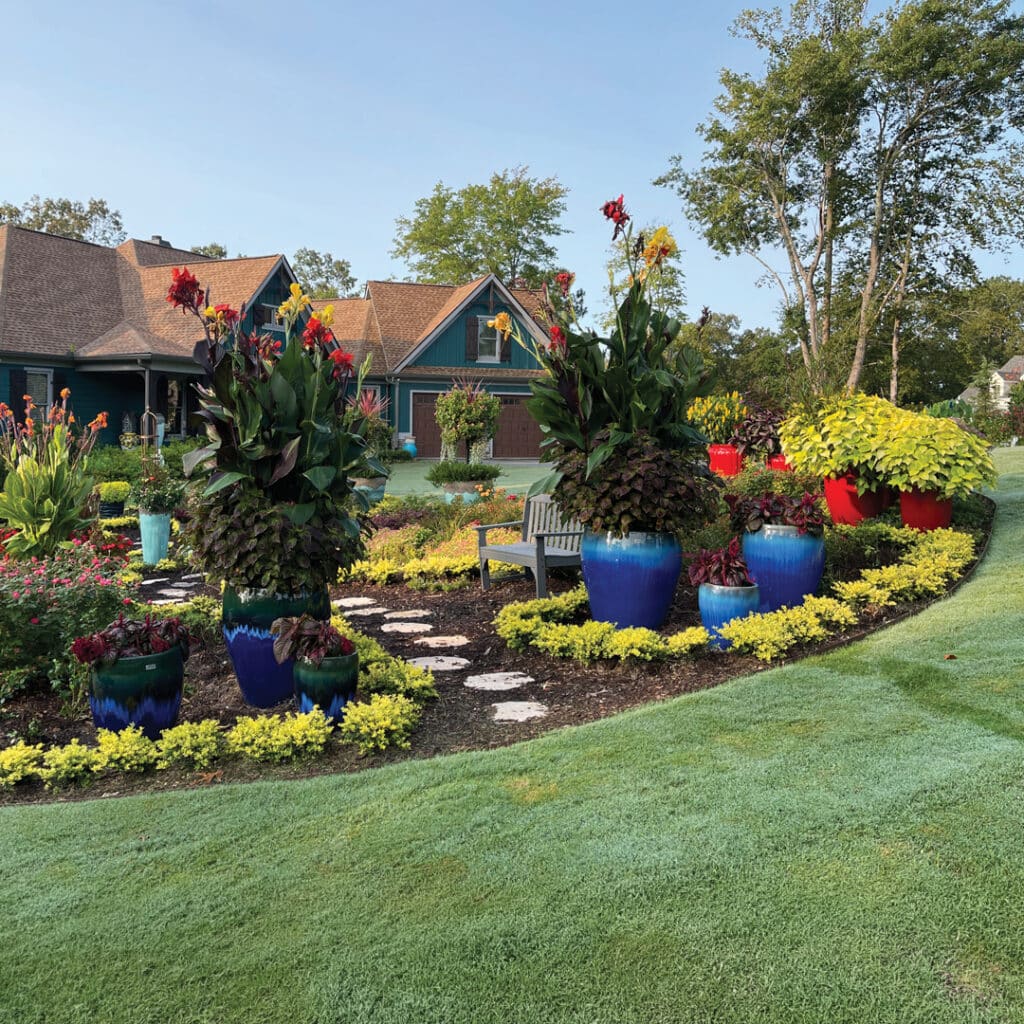
Plants, pottery, and decorative accents can shape a peaceful retreat with color, texture, and seasonal interest.
The Entry or Transition Space
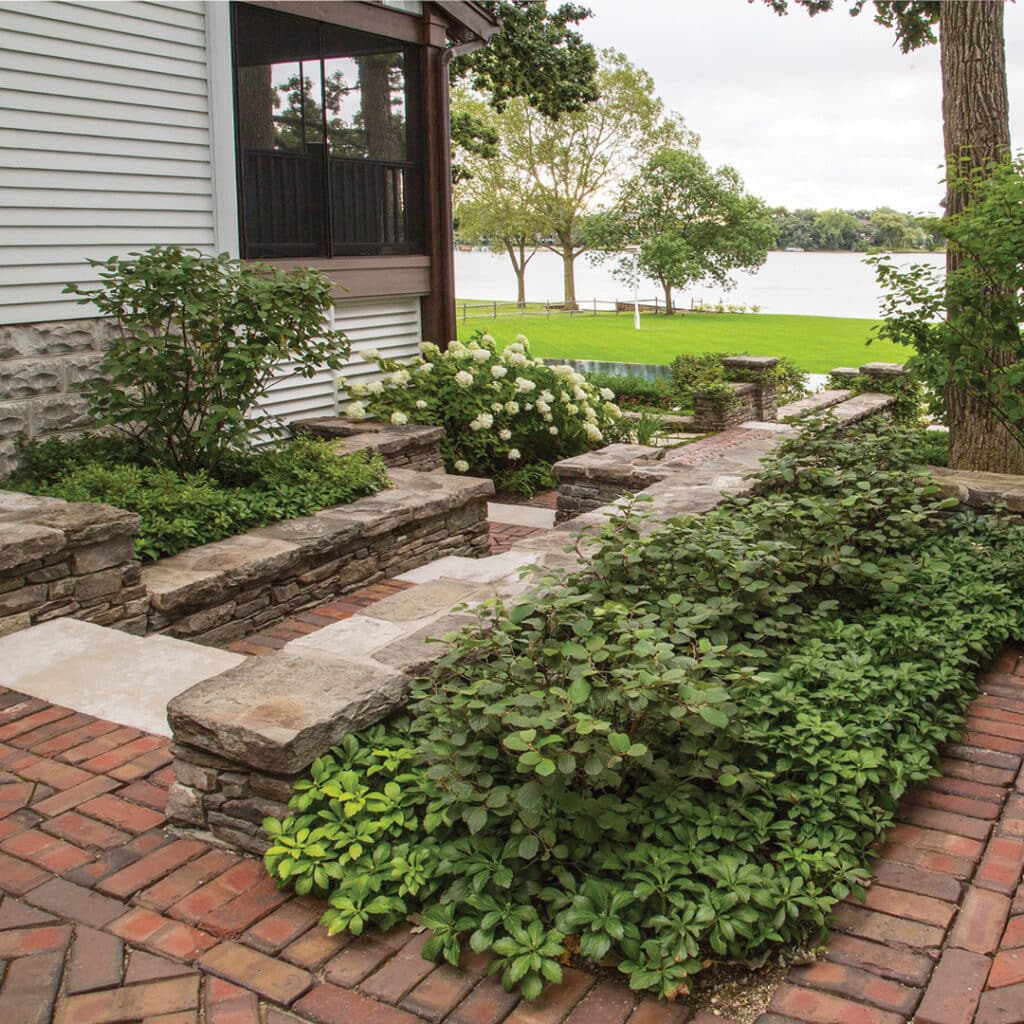
A pathway, courtyard, or patio connects the home to the landscape and sets the tone for the spaces beyond it.
Not every yard needs all five. Choose the spaces that fit your household, then use consistent colors, materials, and plantings to tie all of them together.
Create Natural Boundaries Without Building Walls
Outdoor rooms should feel defined, but they should also flow naturally from one to the next. Start with the existing structure of your property. Doors, walkways, garden beds, and changes in elevation may already suggest where one zone should end, and another should begin.
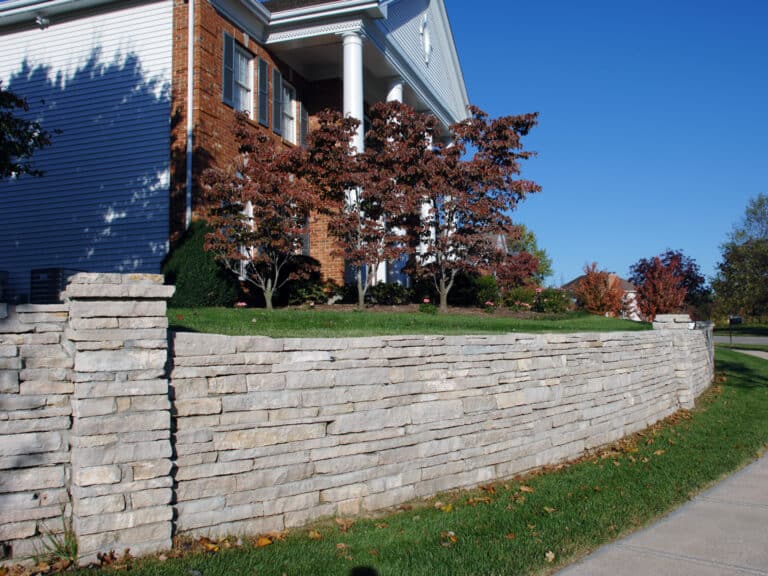
Hardscape materials are especially useful for establishing this framework. A change in paver size, color, or laying pattern can mark the transition from a dining area to a lounge space. Low seat walls, steps and pathways can also guide movement without closing off the view.
For a softer boundary, use large planters, ornamental grasses, shrubs, or a strategically placed outdoor sofa. A pergola or gazebo can define a destination from above while preserving an open, airy feeling.
Choose Furniture That Establishes the Purpose
Outdoor furniture plays a central role in shaping an outdoor room. Just as a sofa anchors an indoor living room and a table defines a dining room, outdoor furniture tells people how a space is meant to be used.
Begin with comfort and durability. Teak, powder-coated aluminum, all-weather wicker, and high-quality recycled materials can provide long-lasting performance through changing Midwest seasons. Outdoor-rated cushions and fabrics add softness while introducing color and personality.
Arrangement matters as much as material. Sectional seating creates a natural conversation area. A dining table gives meals a clear destination. Accent chairs, benches, side tables, and ottomans add flexibility without overcrowding the room.
An outdoor rug can visually gather a seating group and make the space feel more finished. Leave comfortable paths around furniture so people can move naturally between rooms.
Add Shade and Shelter for Greater Comfort
A beautiful outdoor room will be used more often when it is comfortable throughout the different periods of the day. Shade can provide relief during sunny afternoons while adding architectural presence to the landscape.
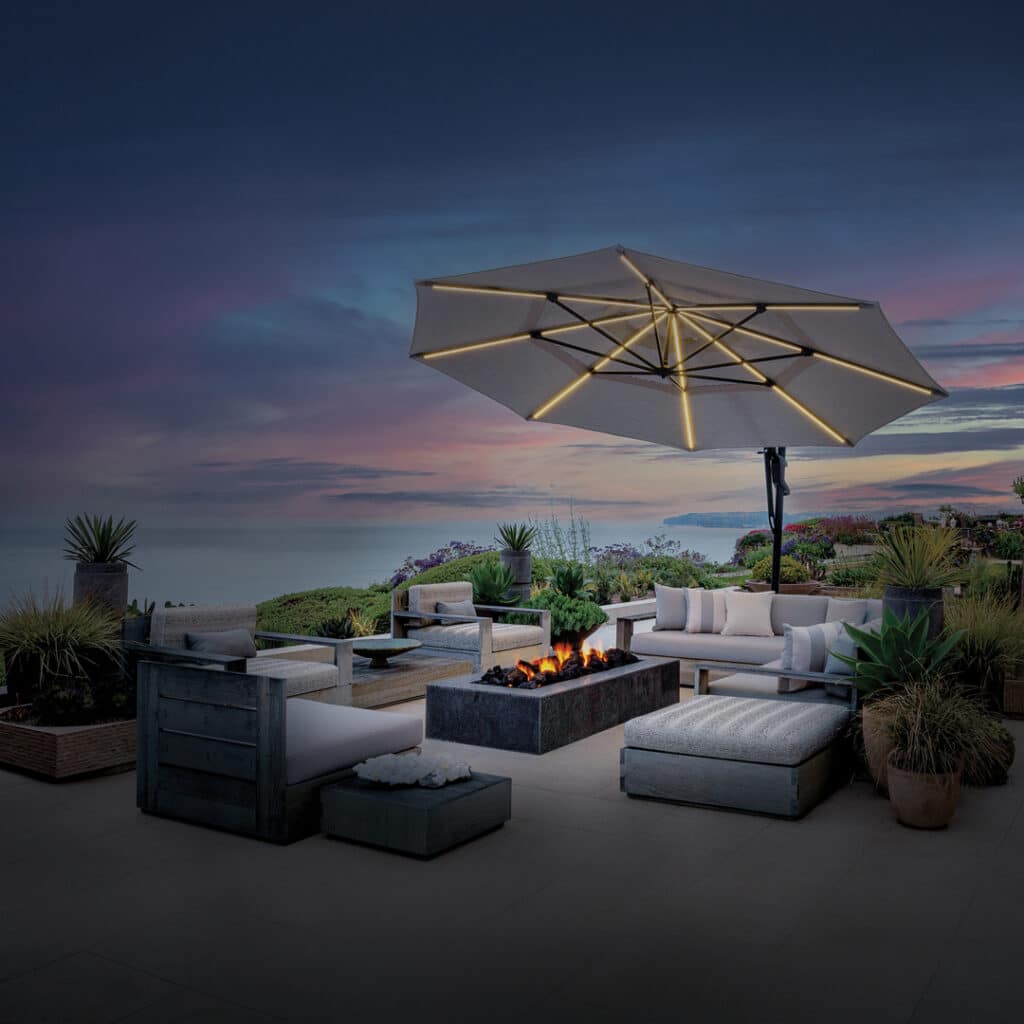
Umbrellas are among the most flexible solutions. A cantilever umbrella can provide coverage without placing a pole in the middle of a furniture arrangement, while a traditional market umbrella offers a classic look for dining spaces. Durable, UV-resistant fabrics help maintain both appearance and performance.
For a more permanent solution, a pergola or gazebo can anchor the entire design. Options with louvers, sliding panels, curtains, or screens may provide added protection from sun, wind, or insects. When integrated thoughtfully, these structures turn a simple seating area into an inviting destination where people want to linger.
Bring the Space to Life With Plants and Pottery
Plants soften hard surfaces and bring energy, movement, and character to outdoor living areas. Containers make it easy to add color, height and seasonal variety exactly where the space needs it.
Large planters can frame an entrance, define the edge of a patio or add architectural structure near a seating area. Groupings of smaller containers create layered displays and allow colors or plant combinations to repeat from one outdoor room to another.
Pottery also contributes to the overall style. Terra cotta brings warmth and a timeless, natural feel. Glazed ceramic containers introduce bold color and shine. Lightweight fiberglass or resin planters offer easier mobility when layouts or seasonal displays change.
For a lush arrangement, combine plants with different heights, textures, and growth habits. A strong upright focal plant, fuller mid-level plants, and trailing varieties can turn a container into a stunning piece of living décor.
Make a Fire Feature the Heart of a Gathering Space
Few outdoor elements bring people together as naturally as fire. The warmth, light, and movement of a flame create an immediate focal point and invite conversation.
Wood-burning fire pits offer the crackle and aroma of a traditional campfire while gas fire tables deliver instant flames with minimal cleanup. Another option is built-in fireplaces, which can provide a more permanent architectural statement. Each type of fire feature creates a different atmosphere, so consider the look, maintenance, and experience you want to create.
Placement is essential. Arrange seating to support conversation while following the manufacturer’s clearance requirements and local regulations. Cushions, outdoor blankets, and soft ambient lighting can make the room even more welcoming as temperatures fall.
Layer Lighting to Extend the Evening
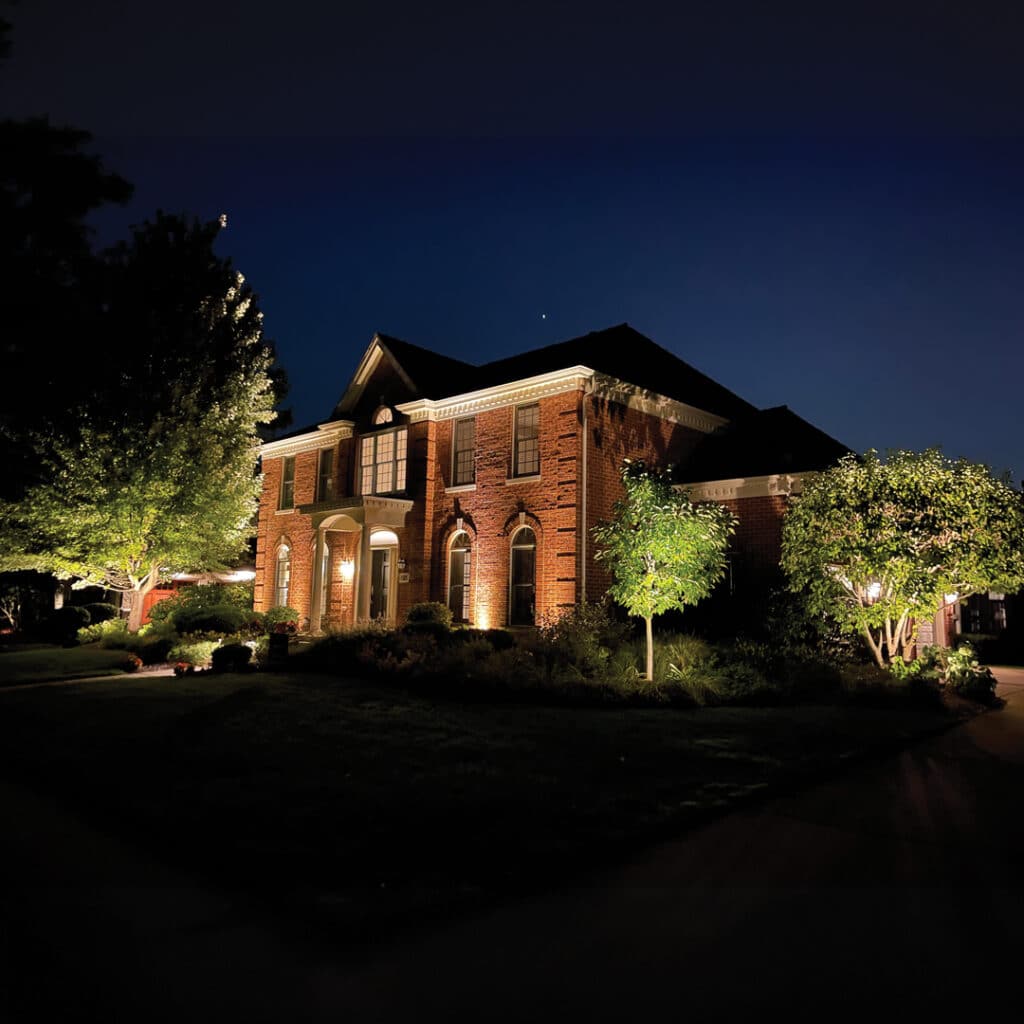
Thoughtful landscape lighting allows outdoor rooms to remain safe, functional, and inviting after sunset. Rather than relying on one bright fixture, layer several types of light to create depth and atmosphere.
Path lights guide movement through the landscape. Uplighting highlights trees, architectural features, and focal plants. Downlighting can create a soft, moonlight-like glow over patios and seating areas. String lights and lanterns are additional unique elements that add warmth at eye level.
Warm light tones generally feel relaxed and welcoming. Smart lighting controls can make it easier to adjust brightness or create different settings for a quiet evening, a family dinner, or a larger gathering.
Finish With Personal Details
Once the main structure is established, decorative details give an outdoor room its own unique personality. Fountains introduce movement and soothing sound. Garden art, statuary, birdbaths, wind chimes, and kinetic pieces create focal points and moments of discovery.
Repurposed or vintage pieces can tell a story as well, while cushions, rugs, and pottery can carry a favorite color palette outdoors. The goal is not to fill every open space. Choose a few meaningful elements that make the landscape feel distinctly yours.
Bring Your Outdoor Rooms Together
Designing outdoor rooms changes the way you experience your landscape. A lounge area becomes a place for quiet evenings. A dining space makes shared meals feel special. A fire feature draws people together under the stars. Each room serves its own purpose while contributing to one cohesive outdoor environment.
Start with the way you want to live, define each space with intention, and build in the comfort and details that invite you to stay. With the right elements, your outdoor space can become more than an extension of your home. It can become a destination of its own.
Ready to create a space that feels made for the way you live? Explore Lurvey’s outdoor living collection or visit our Des Plaines Garden Center for ideas, materials, and inspiration.