The trees, shrubs, evergreens and ornamental plants that fill Lurvey’s nursery yards each spring begin their journey long before they arrive.
In many cases, our nursery buying team starts planning nearly a year in advance. They study sales history, forecast demand, travel across the country, tour growing operations and personally tag plants for the following season.
This detailed nursery plant selection process combines data, horticultural knowledge, firsthand inspection and strong relationships with growers. Most importantly, it helps Lurvey bring healthy, high-quality plant material to our customers each season.
Planning the Next Nursery Season
Before our buyers step into a field or board a plane, the process begins with data.
Our nursery team reviews sales history and runs reports to determine which plants performed well, how many were sold, and what quantities each Lurvey location may need for the coming season. Buyers also consider current landscape trends, customer requests, new plant introductions, and changes within the nursery industry.
Purchasing familiar varieties may begin with years of sales information, but new plants require a different approach. Our buyers may bring in a smaller quantity of a promising new variety to see how it performs and whether it appeals to Lurvey customers.
No two seasons are exactly alike. Weather, availability, project trends, and customer preferences can all influence demand. Buyers combine the information available with their own experience to make the most informed purchasing decisions possible.
Purchasing Plants From Across the Country
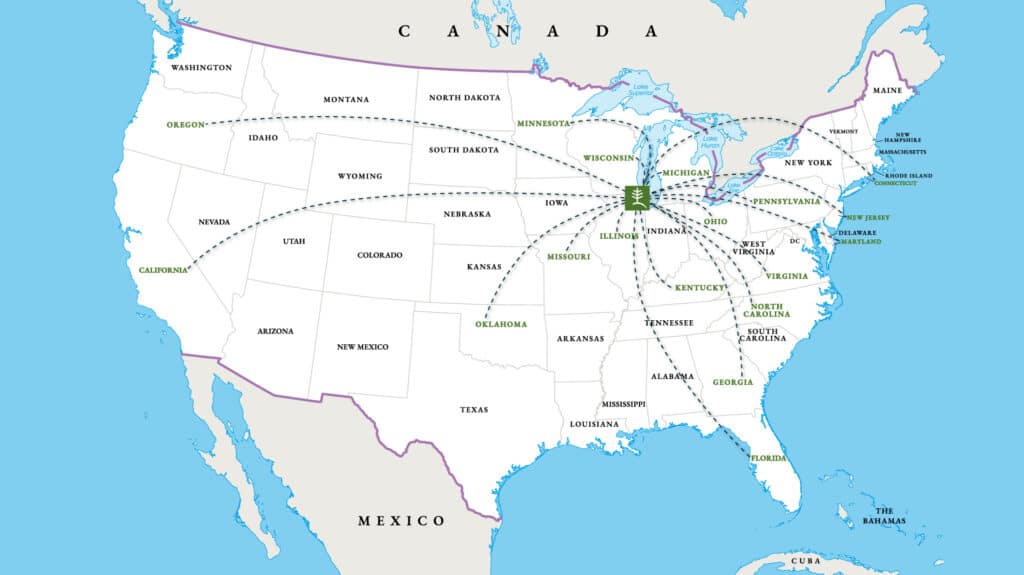
Lurvey works with a network of nursery growers located throughout the United States. Our plants come from many states, stretching from Oregon and California to the East Coast and Florida.
Different growing regions offer distinct advantages based on climate, soil, and regional nursery expertise. Some growers specialize in particular categories, while others have earned a reputation for producing exceptionally consistent plant material or maintaining an extensive selection of cultivars.
Working with growers across the country gives our team access to a broader assortment of plants. It also allows our buyers to seek out growers with the knowledge, experience, and growing conditions needed to produce certain plants particularly well.
Different Growing Regions, Different Specialties
Growing conditions and nursery expertise vary across the country. By partnering with growers in several regions, our buyers can seek out sources who are known for producing certain types of plant material particularly well.
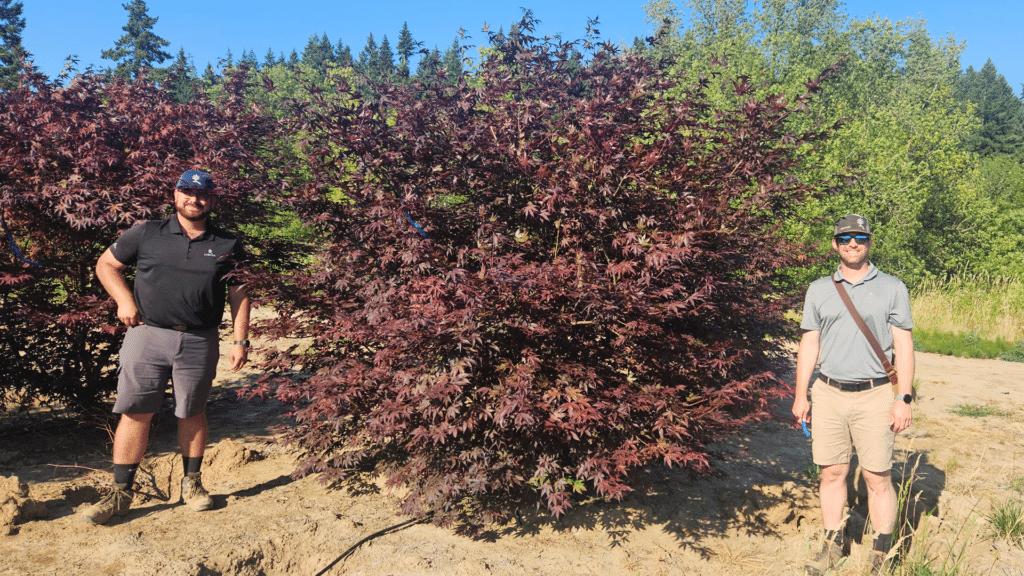
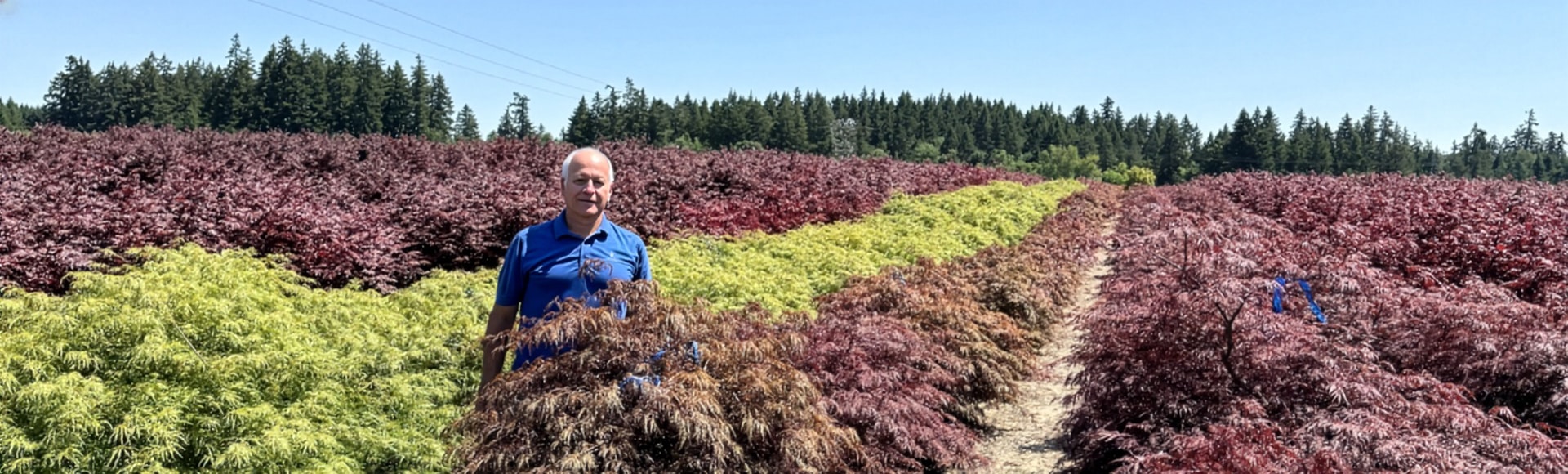
- Pacific Northwest: This region is an important source for Japanese maples, specialty evergreens, and other distinctive ornamental trees. Because these plants can vary significantly in structure and appearance, our buyers often inspect and hand-tag individual specimens.
- Upper Midwest: Growers throughout this region provide many of the shade trees, spruce, pine, arborvitae, and container-grown shrubs used in Midwest landscapes. Similar regional growing conditions also help our team evaluate how well plants may adapt to Illinois and the surrounding area.
- Eastern United States: This region is an important source for ornamental trees, specialty plants, and large evergreens. Lurvey also sources early-blooming flowering shrubs and roses from select Eastern growers.
- Southern growing regions: Warmer growing conditions allow Southern nurseries to produce container plants that are further along in their seasonal development. Sourcing from these areas helps Lurvey offer leafed-out and blooming material earlier than our local climate would typically allow. Southern growers also provide many of our tropicals and houseplants.
Some plants may be available from growers in more than one region. Our buyers consider quality, consistency, regional growing conditions, availability, timing and value when deciding where to purchase each category.
Why Our Nursery Team Travels to the Growers
An availability list can tell a buyer the species, variety, size and quantity of plants a grower has available, while photographs can provide additional information. Neither one, however, tells the complete story. That is why our nursery team travels directly to many of our growers.
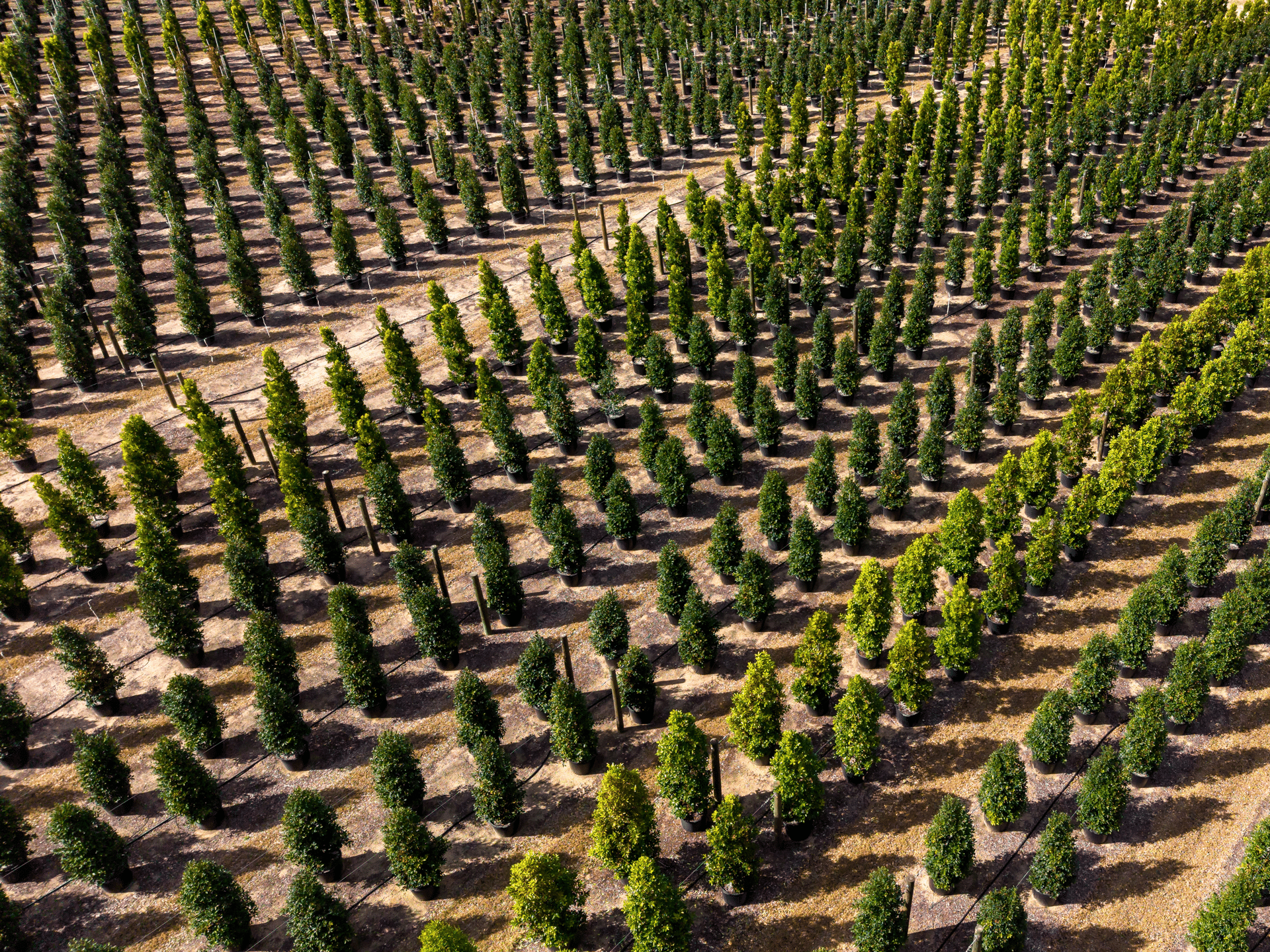
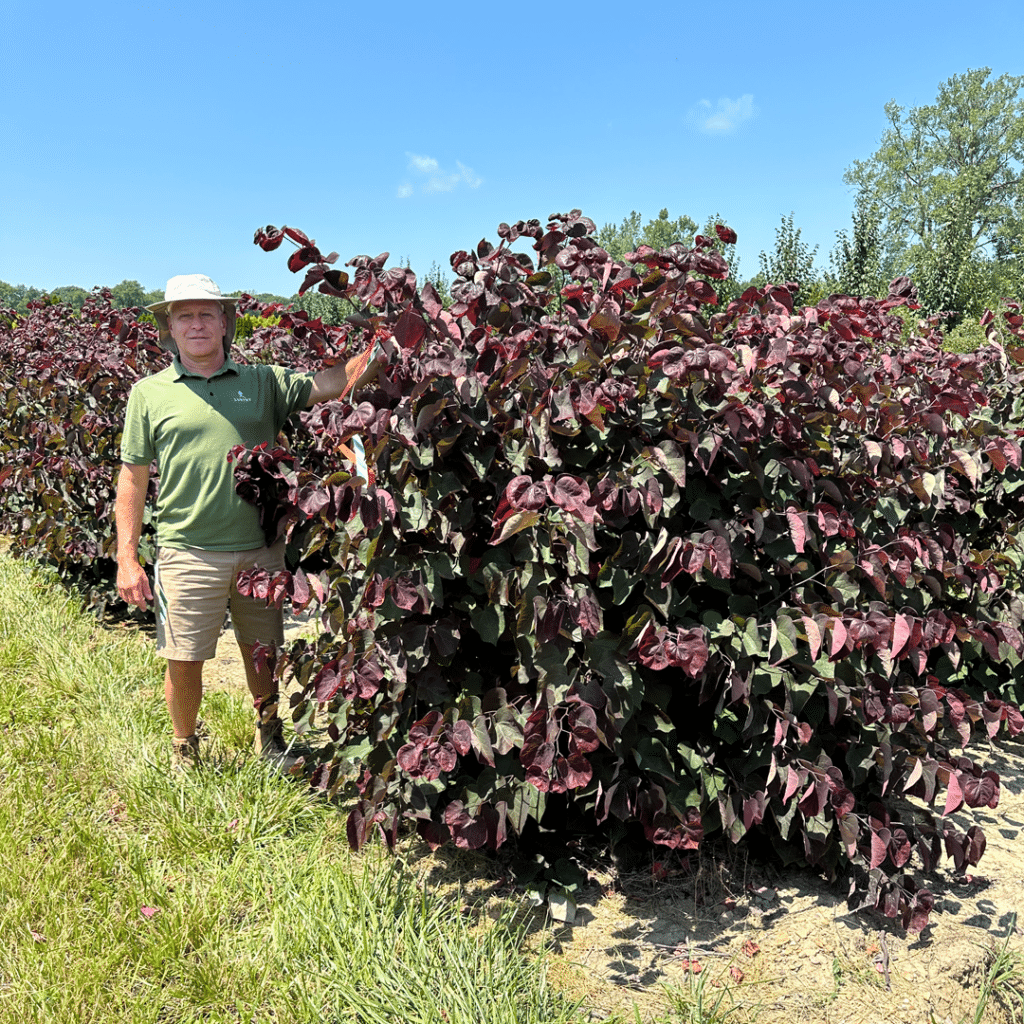
During a nursery tour, buyers walk the fields and container yards to examine plant material in person. They evaluate overall health, shape, branching structure, visible root development and consistency throughout a crop. Viewing specimens from multiple angles helps them identify disease, physical damage, rubbing branches, structural defects and other concerns that may not appear in a photograph.
Walking the fields allows our buyers to compare hundreds of plants side by side. They can assess canopy density, trunk quality, root flare and the uniformity of an entire block while seeing firsthand how the grower propagates, prunes and cares for the plants.
These tours extend well beyond material that is ready for sale. By visiting propagation areas and fields of younger plants, our buyers can evaluate the health and development of future crops, sometimes years before those plants reach the market. This early insight helps the team anticipate quality or availability concerns, discover new varieties, and plan future assortments.
Time spent with growers strengthens important relationships as well. Lurvey considers its growers partners, and many of these partnerships have developed through years of shared planning, communication, and problem-solving. Those conversations give our buyers a deeper understanding of each nursery and the plant material it produces.
Traveling to See the Plants in Person
Our buyers plan each trip around the plants they need to evaluate and purchase. Some itineraries include several growers over just a few days, giving the team an opportunity to compare material, tour different production areas, and speak directly with the people responsible for growing the plants.
These trips require considerable advance planning. The team typically schedules appointments several weeks in advance while coordinating flights, hotels, and rental vehicles. When a grower is within driving distance, buyers may spend several hours on the road to inspect and select material in person.
The destination varies based on the plants the team needs and the growers that specialize in producing them. A trip may focus on Japanese maples and ornamental trees, shade trees and evergreens, container shrubs or material needed for an upcoming project. Buyers may visit several regions throughout the year as purchasing needs and new crops arise.
Each trip combines plant selection with valuable conversations about production, availability, and future crops. Visiting growers throughout the country helps our team make informed purchasing decisions and strengthens the partnerships that support Lurvey’s nursery program.
What Do Plant Buyers Look For?
When buyers walk a nursery, they look for plants that best represent the quality of the crop. They evaluate each plant based on its natural growth habit and the characteristics expected for that species or variety.
Overall health, structure, vigor, uniformity, foliage color, and healthy new growth all contribute to the decision. The specific qualities a buyer looks for change depending on the type of plant.
Evaluating Trees
When evaluating a traditional shade tree, buyers may look for a strong central leader, balanced branching, good trunk caliper, and a healthy root flare. They also check the trunk for physical damage, mechanical injuries and sunscald.
The desired structure depends on the tree. An Autumn Blaze maple should have a strong central leader, while a Bloodgood Japanese maple should display the graceful branching and natural character expected of the variety.
Multi-stem ornamental trees require a different evaluation. A multi-stem birch, for example, should generally have three to four stems with similar size and balanced spacing.
Evaluating Shrubs and Evergreens
High-quality shrubs should display a full, symmetrical habit with plenty of branching from the base. Healthy foliage color, fresh growth and consistency throughout the crop also help buyers evaluate the plant’s overall quality.
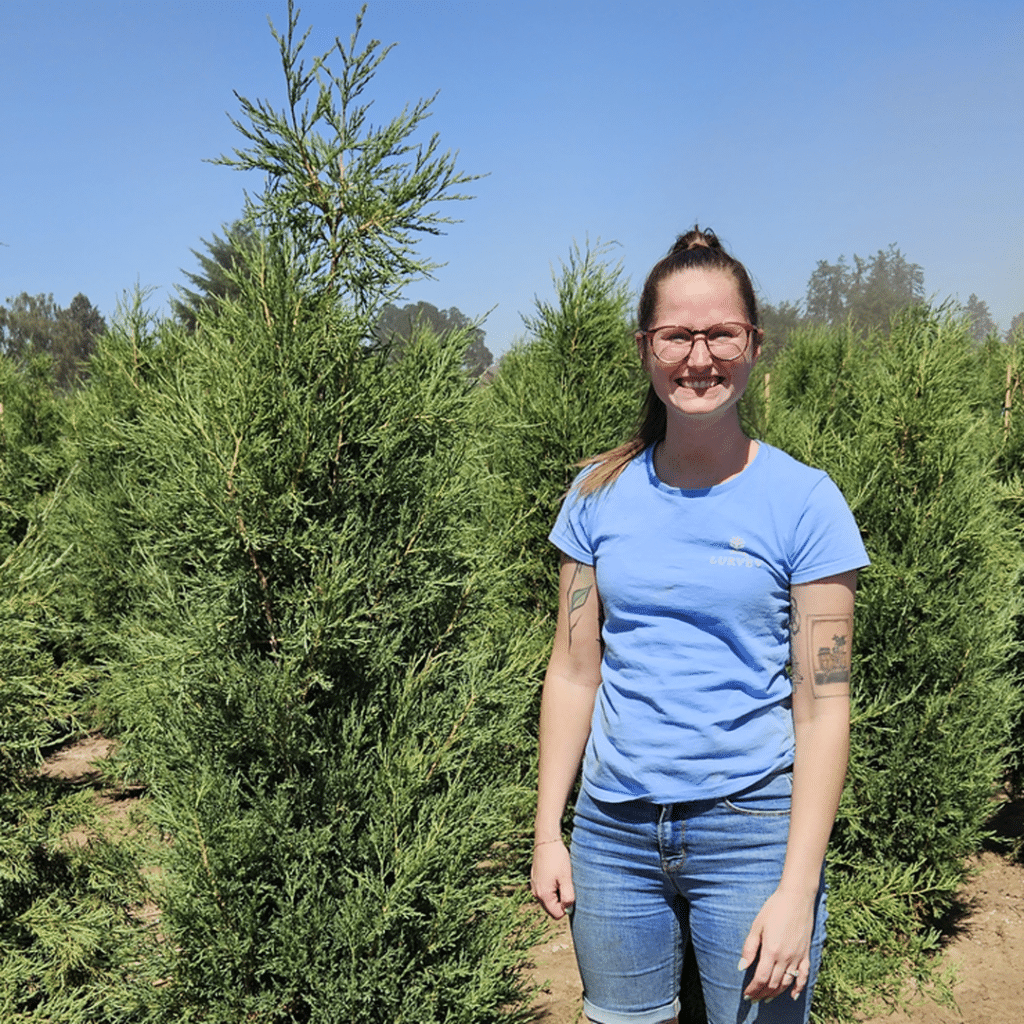
Evergreen trees should have dense foliage, strong color and a well-balanced form. For varieties expected to remain full to the ground, buyers also look for healthy lower branching without large gaps or bare areas.
Identifying Reasons to Pass
Even when the overall crop looks good, an individual plant may not meet our standards. Some of the concerns that may cause our buyers to pass include:
- Poor, uneven, or crossing branches
- A lopsided or unbalanced canopy
- Weak leaders or multiple leaders on trees expected to have one central leader
- Trunk damage, sunscald, or mechanical injuries
- Dead branches or signs of dieback
- Insect damage or symptoms of disease
- Circling or girdling roots visible near the soil surface
- Structural defects that could affect future growth
- Excessive weeds or poor container maintenance
- Weak color, limited vigor or poor overall health
Some of these characteristics may appear in photographs. However, observing the plant from multiple angles and comparing it with the surrounding crop gives buyers a more complete understanding of its overall quality.
Does Every Plant Receive the Same Inspection?
The evaluation process changes depending on the type, value, and natural growth habit of the plant.
Some shrubs grow with enough consistency that buyers can evaluate the overall crop without inspecting every individual plant. High-end ornamental trees are different. Their structure, character, and visual impact can vary significantly from one specimen to the next.
Japanese maples and other ornamental trees may receive a much longer look. Buyers often examine these plants individually and expect them to meet a particularly high standard before attaching a Lurvey seal or ribbon.
This judgment comes from the combined years of experience on the nursery team. Lurvey’s seasoned plant experts understand which characteristics matter for each type of plant and continually share that knowledge with other members of the team.
What Does It Mean to Tag a Plant?
Tagging allows our nursery team to select and reserve specific plants before the grower digs or ships them.
When our buyers find a plant they want for Lurvey, they mark it with a unique ribbon or combination of ribbon colors and patterns. The ribbon communicates three important things to the grower:
- These are the exact plants Lurvey selected.
- Please reserve them for Lurvey.
- Prepare them for digging, loading, or shipping at the appropriate time.
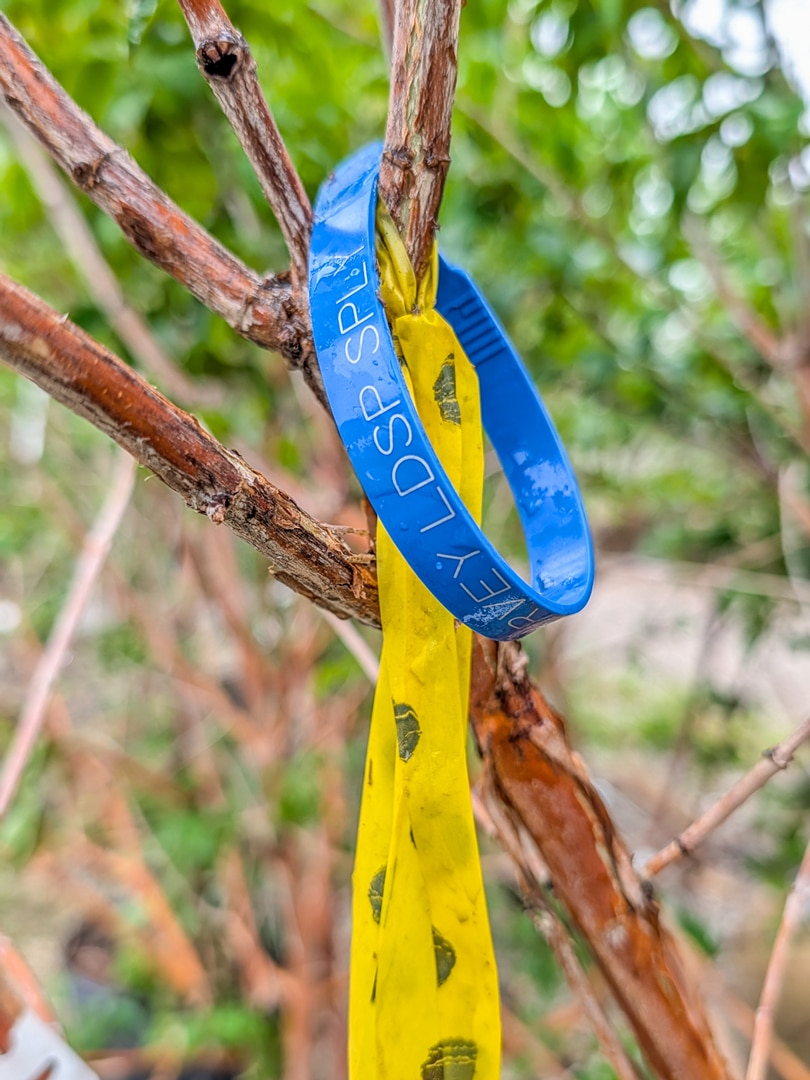
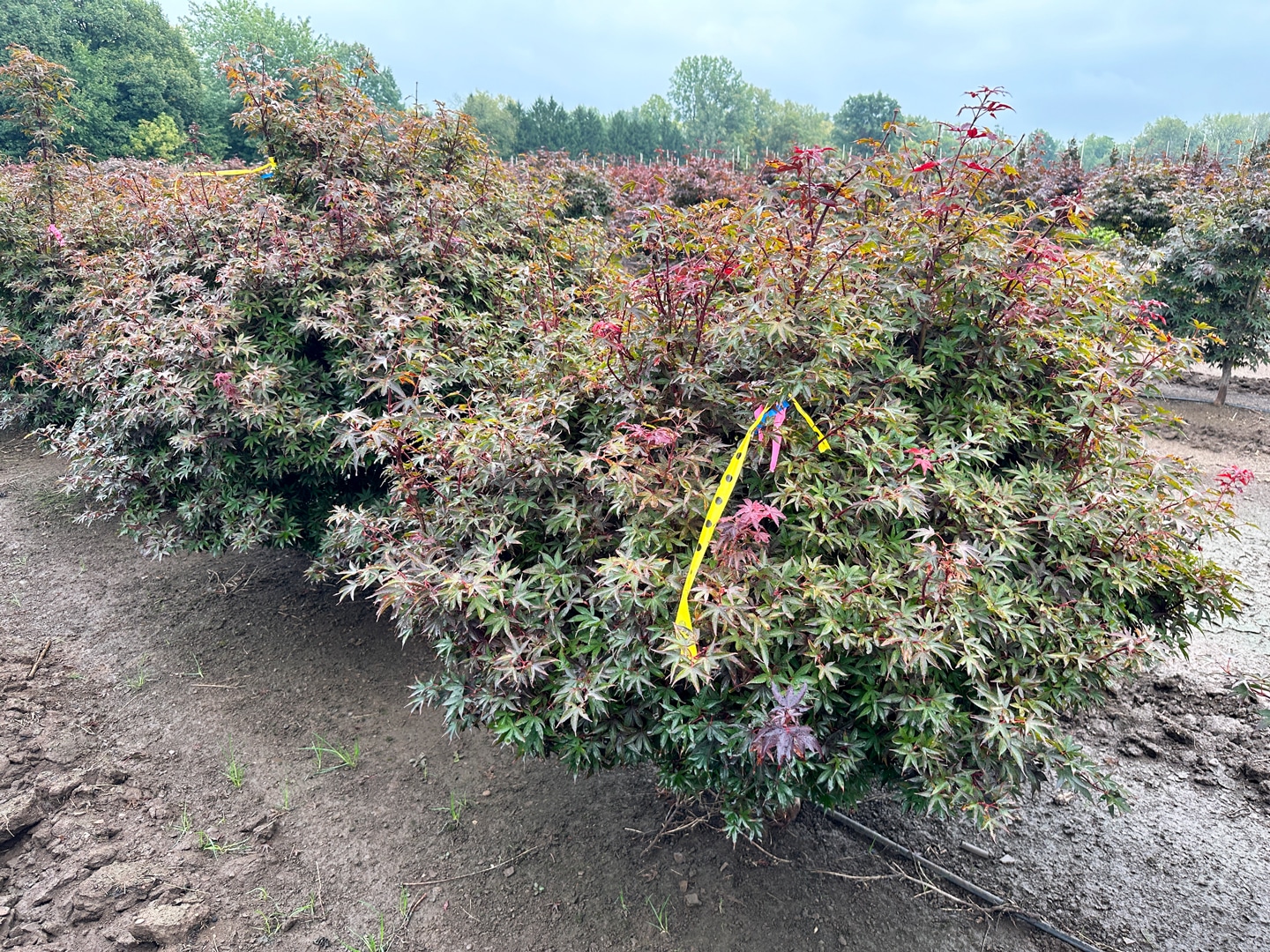
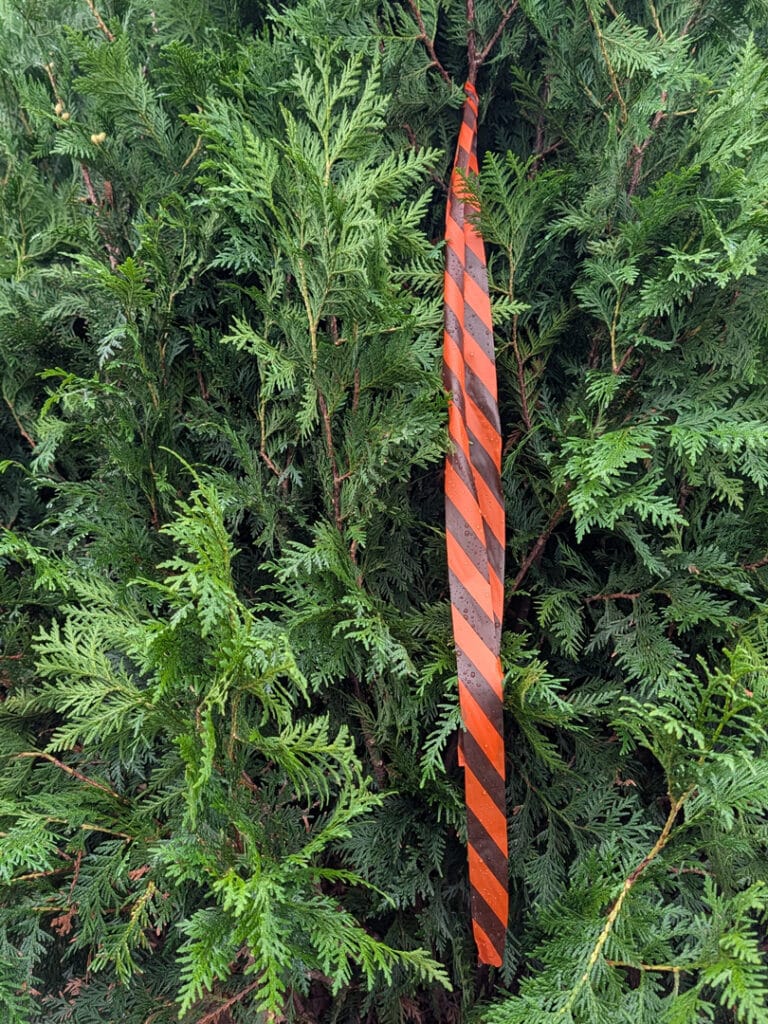
For a certain group of specimen plants, our buyers take the process one step further by placing a seal on the selected plant. A seal provides the highest level of identification, creating a more permanent marker that stays with the exact specimen chosen for Lurvey. Not every nursery allows customers to tag or seal plants, but our team uses these methods whenever the grower permits them.
The grower documents the selected material and uses those records to coordinate holding, digging, and shipping. When shipping season arrives, the ribbons and seals help identify the exact trees and ornamentals reserved for our nursery yards.
This is an important distinction. Our buyers are not simply requesting a certain number of trees from an inventory list. For select material, they choose the individual specimens they want our customers to see at Lurvey.
As one of our nursery buyers explains, tagging is “essentially putting our name on those plants before they ever leave the nursery.” Tagging and sealing help ensure that the quality our team selects is the quality our customers receive.
Selected Today, Delivered Next Season
The timing of these trips may be one of the most surprising parts of the nursery plant selection process.
Our nursery team typically begins touring and tagging in late June or early July. Most of the time, the plants selected during these trips will not arrive at Lurvey until the following spring. Buyers may also tag material for fall delivery, depending on availability and seasonal needs.
During the summer, our buyers are already traveling and tagging plants for the following year. This gives the team an opportunity to reserve high-quality material before another customer claims it.
The team may also make additional trips during the same season. For some nurseries, the first visit involves assessing the grower’s inventory and determining which has the best crop for a specific plant type or category. Then during subsequent trips, the plants are tagged and placed on order. This can also happen when a new crop becomes available or when a customer has a large project that requires a significant quantity of plants.
The plants continue to grow at the supplier’s nursery after the ribbons are attached. When the appropriate digging and shipping season arrives, the grower can identify the exact specimens selected months earlier, dig or process them, and ship the orders to Lurvey.
From the Grower to Lurvey
Tagging a plant does not mean it is immediately ready to ship. Field-grown trees and evergreens must be dug at the appropriate time, while other plants may need to remain at the nursery until Lurvey is ready to receive them.
Throughout the process, our buying team stays in close contact with each grower. They discuss digging schedules, plant readiness, weather conditions, and shipping timelines. They also coordinate how orders should be divided among Lurvey locations based on expected demand.
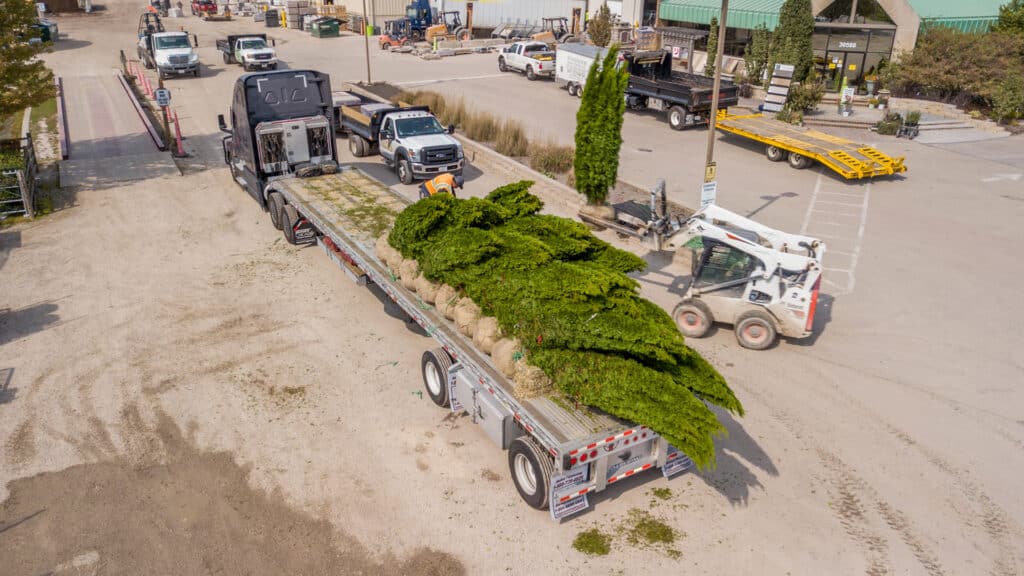
Before the spring season begins, Lurvey sends each grower detailed shipping instructions for the material headed to our nursery yards. This communication helps plants move from growers across the country to the correct Lurvey location at the right time.
It also allows our buyers and grower partners to address changes or challenges before the plants begin their journey. By the time a delivery reaches Lurvey, months of planning and coordination may have already taken place.
More Than a Purchasing Relationship
Lurvey’s growers provide more than plant material. They share knowledge, introduce our team to new varieties and help buyers understand changes in plant availability, production and the nursery industry.
Our buyers also work directly with growers to discuss pricing, quantities, digging schedules and shipping needs. Open communication helps both teams plan for the season and respond when weather, crop conditions or demand cause plans to change.
These relationships are why Lurvey considers its growers to be partners. Working closely with these growers helps our team maintain a dependable nursery program. It gives our buyers greater insight into the plants our customers will eventually bring home or install in a landscape.
The Story Behind Our Nursery Yards
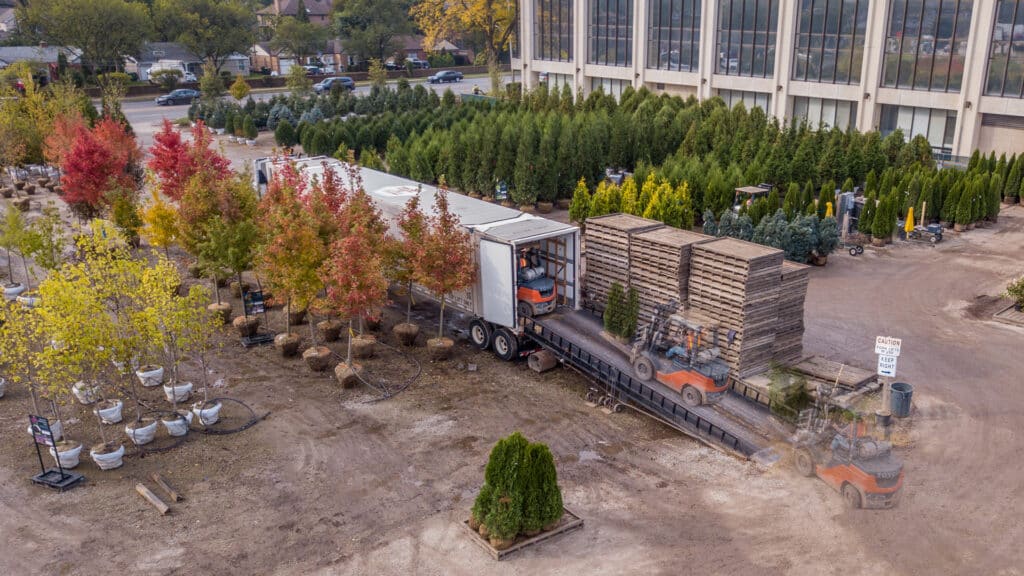
When spring deliveries begin, and the nursery rows start filling, customers see the final stage of a process that began many months earlier.
Behind each arrival are sales reports, forecasts, travel arrangements, grower tours, conversations, inspections, colored ribbons and shipping plans. There are also experienced plant professionals making careful decisions about which plants meet Lurvey’s standards.
Not every type of plant requires individual tagging. Ornamental trees, Japanese maples, and other specimen material, however, often receive a much closer inspection. Every purchasing decision benefits from the knowledge our team gains through grower visits and long-standing partnerships.
Traveling, touring, and tagging help us understand where our plants come from, how they were grown, and what sets exceptional nursery material apart. It is another way our team works behind the scenes to bring a strong, diverse, and carefully selected plant assortment to Lurvey customers each season.