If your trees and shrubs are looking a little rough this spring, you’re definitely not alone. Across the Midwest, homeowners and landscape professionals alike are noticing delayed growth, yellowing leaves, browned foliage, dead branch tips, and uneven leaf-out on many common ornamental trees.
Some of the most frequently affected plants this season include birch, magnolia, redbud, dogwood, and Japanese maple. While the symptoms may look alarming, most of what we are seeing can be traced back to environmental stress caused by weather patterns over the past year.
The good news is that in many cases these plants are expected to recover.
A Challenging Year for Plants
Plants experienced several layers of stress leading into this growing season. Last year’s dry conditions already left many trees and shrubs under pressure heading into winter. When winter arrived, periods of intense cold combined with drying winds created additional stress, especially on plants that had not fully recovered from drought conditions.
This spring, then, added another challenge. Early warm temperatures encouraged many plants to break dormancy and begin pushing tender new growth earlier than normal. Unfortunately, several late-season frosts and temperature swings followed shortly after, damaging fresh foliage and young stems that had already emerged.
The result is a landscape that may look uneven, delayed, or stressed compared to a typical spring.
Why Leaves Are Yellowing or Browning
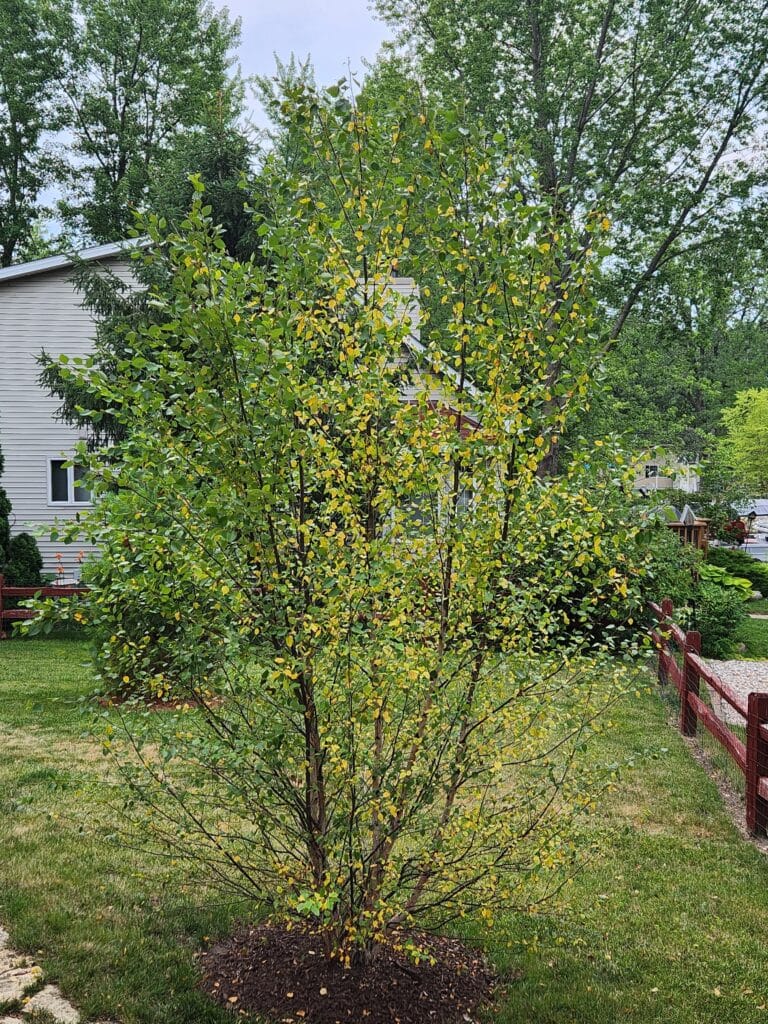
One of the most common concerns this season has been yellowing leaves on birch and magnolia, along with browning or scorched leaf edges on a variety of ornamental trees.
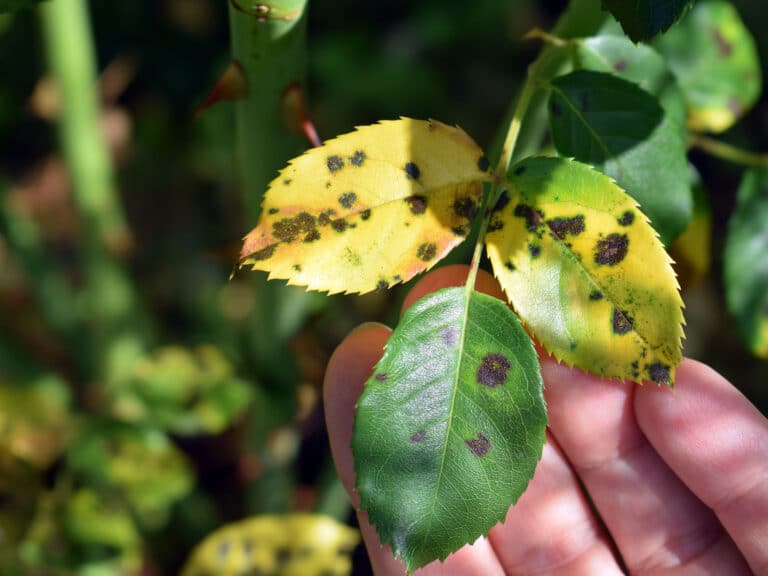
In most cases, this damage is not caused by insects or disease. Instead, it is a reaction to fluctuating spring temperatures and frost injury. Tender foliage that emerged during warm stretches was exposed to freezing temperatures shortly afterward, damaging leaf tissue before plants had a chance to fully harden off.
Brown edges, bronzing, curling, and faded coloration are all common symptoms of this type of environmental stress.
Although the damaged leaves may not improve cosmetically, many plants will continue producing healthy new growth as temperatures stabilize and the growing season progresses. Once consistent warmth arrives and soil moisture improves, foliage often begins to green up naturally.
Why Redbuds And Other Ornamental Trees Are So Slow This Year
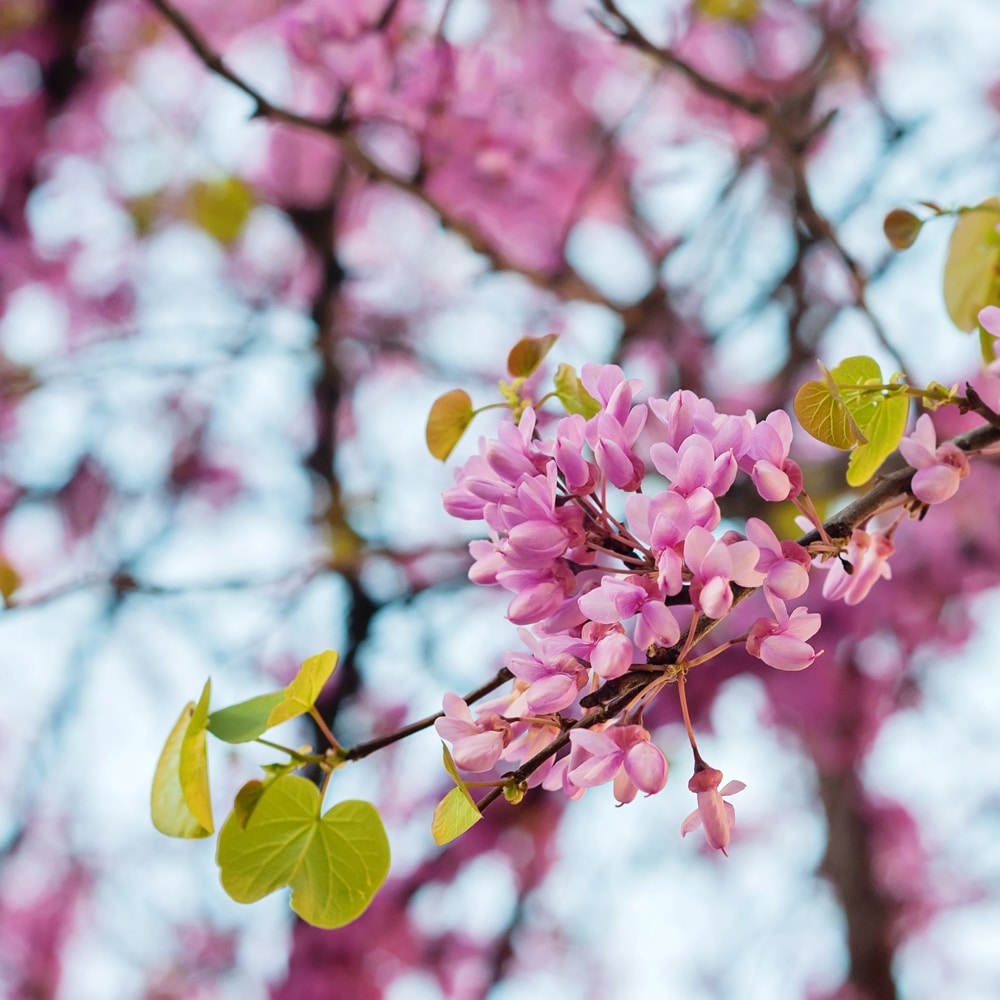
Redbuds have been one of the most talked-about trees this spring because many are leafing out much later than expected. Some trees appear thin or sparse, while others have scattered dead branches mixed in with healthy growth. In some cases, homeowners are worried that trees may not survive at all.
But redbuds are not alone.
Many ornamental trees across the Midwest are showing signs of stress this season, including magnolias, Japanese maples, dogwoods, and birch. Much of what we are seeing can be traced back to a combination of drought stress, harsh winter conditions, fluctuating spring temperatures, and late frosts.
Redbuds
Redbuds and dogwoods are especially sensitive to winter dehydration and cold winds. During dry winters, moisture can be pulled from branches and buds faster than the plant can replace it, leading to dieback in exposed portions of the canopy. This is why many trees are showing bare branch tips or delayed growth on certain limbs while other sections begin leafing out normally.
Japanese Maples
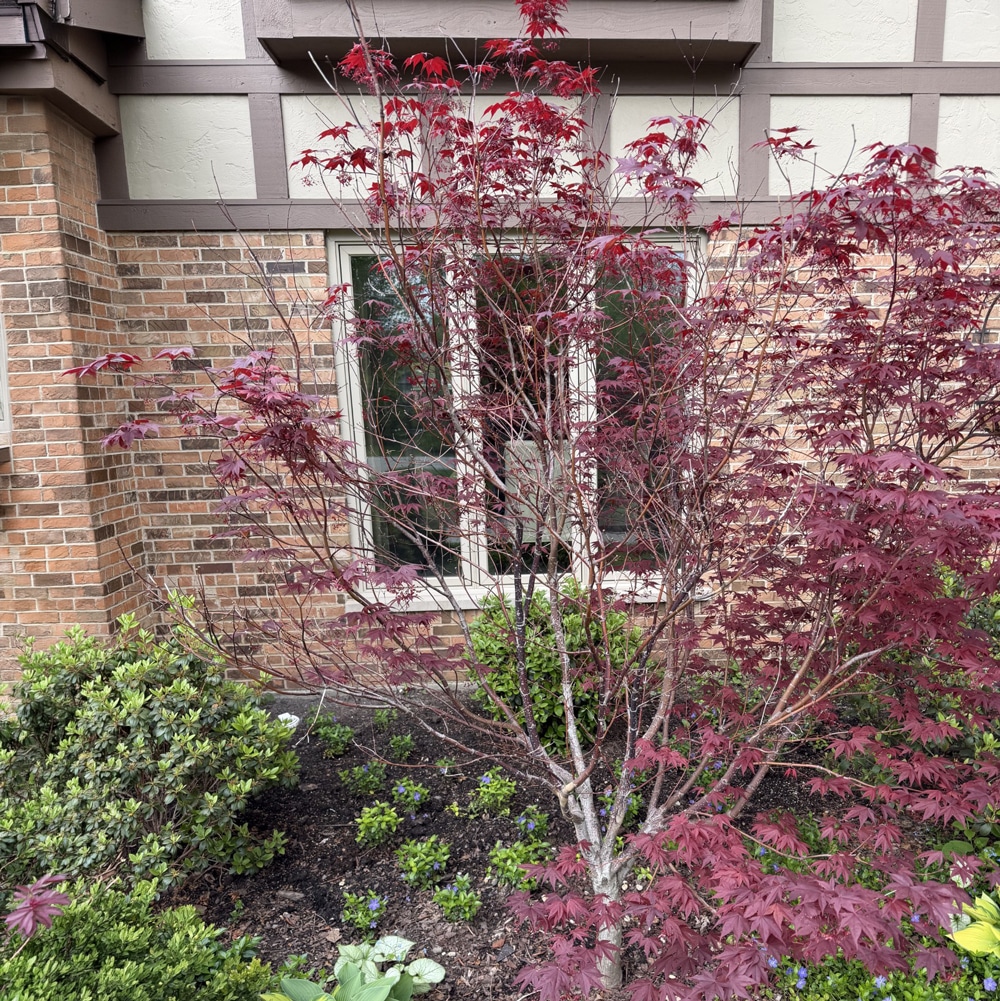
Japanese maples have also been heavily impacted this year. Many are showing dead branch tips, sparse canopies, or uneven budding caused by winter injury and fluctuating temperatures. Their delicate branching structure and early spring growth make them particularly vulnerable to cold damage and drying winds.
Magnolias
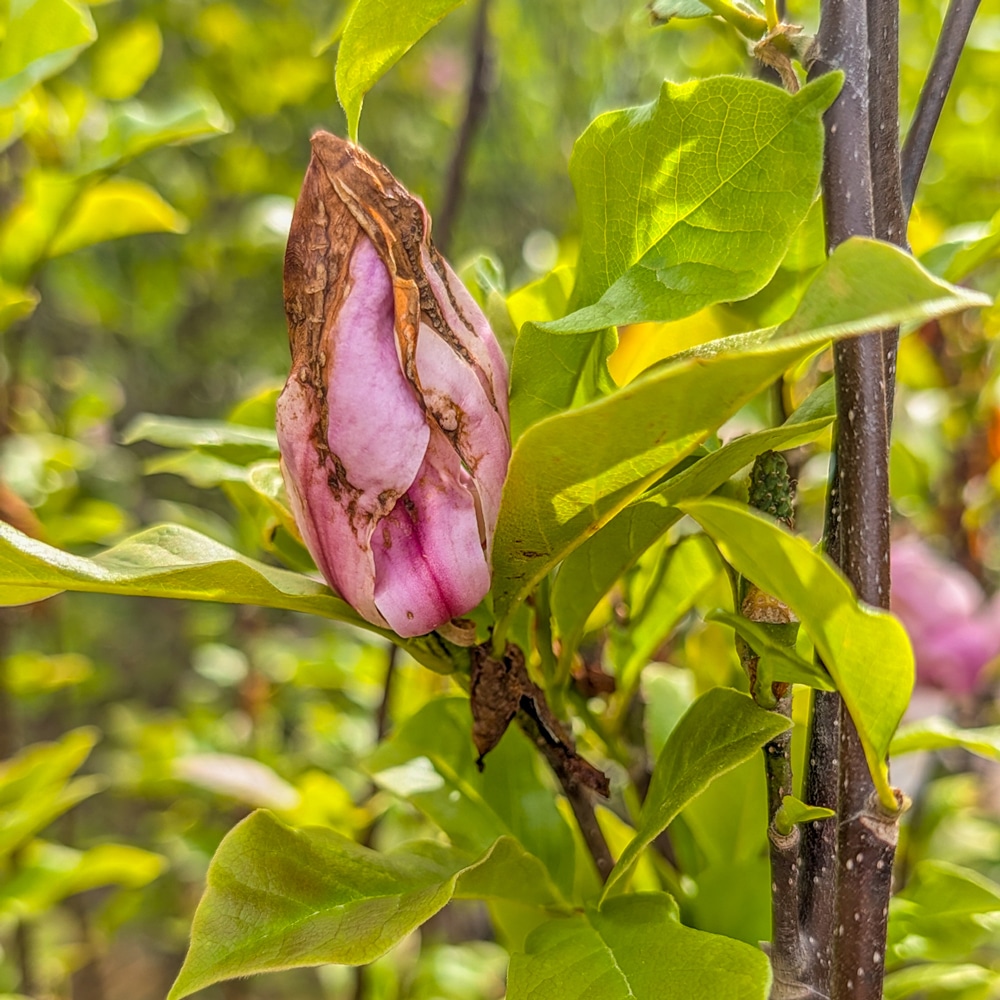
Magnolias faced a different challenge this season. Many trees began setting buds and preparing to bloom during early warm periods, only to be hit by late frosts shortly afterward. As a result, countless magnolia blooms across the region were damaged or completely frozen before reaching full flower. While disappointing cosmetically, bloom loss does not necessarily indicate long-term health problems for the tree itself.
Homeowners may also notice browning leaves, delayed budding, or patchy growth throughout the canopy on many ornamental plants. In most cases, these symptoms are environmental rather than insect or disease-related.
Patience will be important this spring. Many stressed ornamentals are simply slower to recover and wake up after a difficult winter and unpredictable spring. Once temperatures stabilize and plants continue actively growing, many trees and shrubs are expected to improve significantly throughout the season.
Winter Dieback Is Widespread
Winter dieback has also been common across many ornamental trees and shrubs this year. Dieback occurs when portions of stems, buds, or branches are unable to survive winter conditions due to cold temperatures, drying winds, or moisture loss.
This type of injury often appears as:
- Dead branch tips
- Sparse leafing
- Cracked stems
- Delayed budding
- Uneven growth throughout the canopy
While the damage can look severe, established plants often recover surprisingly well once active growth resumes. In many cases, pruning out dead wood and allowing the plant time to regrow is all that is needed.
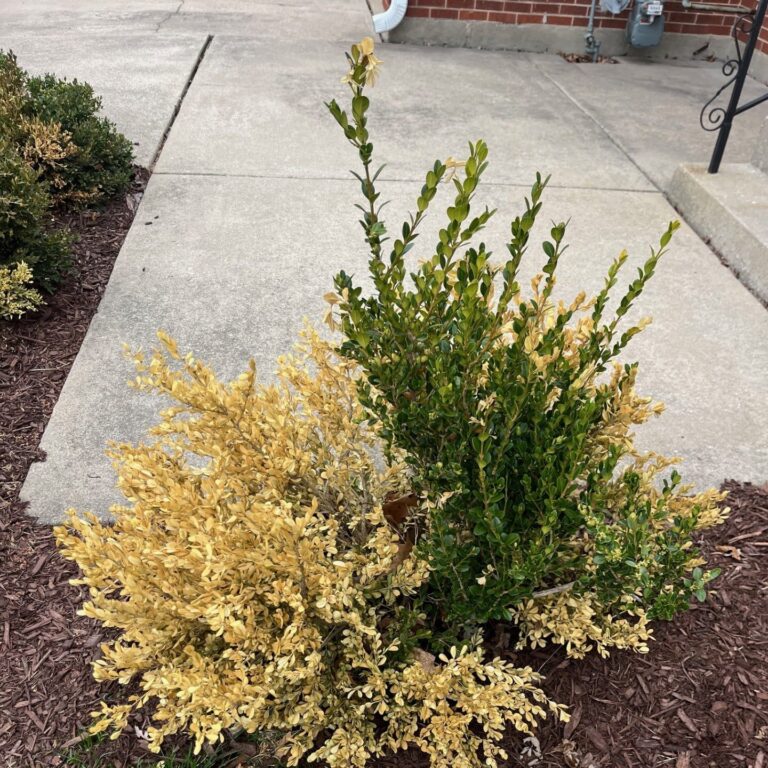
What You Should Do if Your Plants Look Stressed
The most important thing you can do this spring is avoid making quick decisions too early in the season. Many trees and shrubs are simply delayed due to environmental stress and may continue improving as temperatures stabilize and the growing season progresses.
While damaged leaves, sparse canopies, and dead branch tips can look alarming, most established plants are still healthy enough to recover with time and proper care.
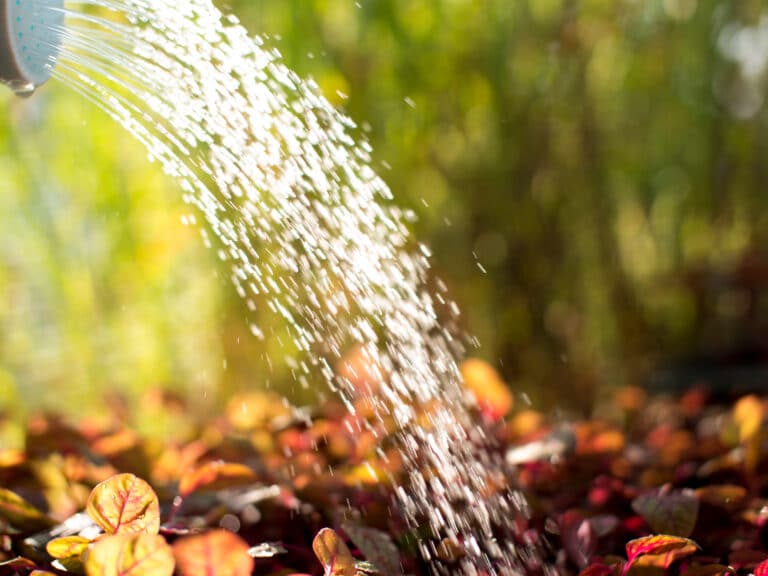
Start by giving plants a little extra attention during dry periods. Even though temperatures may still feel mild, stressed trees and shrubs can quickly become further weakened if soil moisture drops too low. Deep, consistent watering is especially important for newly planted trees and shrubs that are still establishing root systems.
You can also begin lightly pruning branches that clearly show no signs of life once new growth becomes more apparent. Waiting until plants fully leaf out makes it easier to identify what is truly dead versus what is simply delayed. Removing damaged wood can help improve appearance and encourage healthy new growth throughout the season.
Mulch can also play an important role in recovery. A proper mulch layer helps regulate soil temperatures, conserve moisture, and reduce additional stress during hot summer weather. Just be careful not to pile mulch directly against trunks or stems.
One thing you should avoid is over-fertilizing stressed plants. When trees and shrubs are recovering from weather damage, excessive fertilizer can sometimes create additional stress by forcing weak or uneven growth too quickly.
Most importantly, give plants time. Many ornamentals across the Midwest are simply recovering from an unusually difficult combination of drought, winter injury, cold winds, and late spring frosts. Landscapes may look rough now, but many plants are expected to rebound well as the season continues.
Patience Will Go a Long Way This Season
This spring has been a reminder of how much the weather impacts plant health in the Midwest. Between lingering drought conditions, harsh winter winds, fluctuating temperatures, and late frosts, many trees and shrubs entered the growing season under stress.
Fortunately, most plants are resilient. While landscapes may look a little rough right now, many trees and shrubs are expected to recover with proper care and a little patience as the season progresses.
Still unsure if your plants are recovering normally? Our Plant Health experts are happy to help. If you have questions about stressed trees, frost damage, dieback, or delayed growth this spring, reach out to us or fill out our Plant Rx form for guidance from our experts. Submitting photos and a few details about your plant can help us better diagnose what may be happening and recommend the best next steps for recovery.