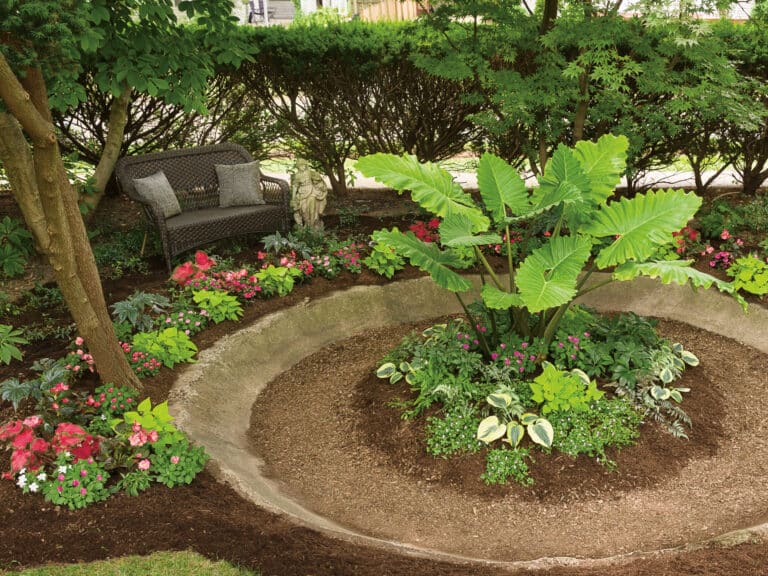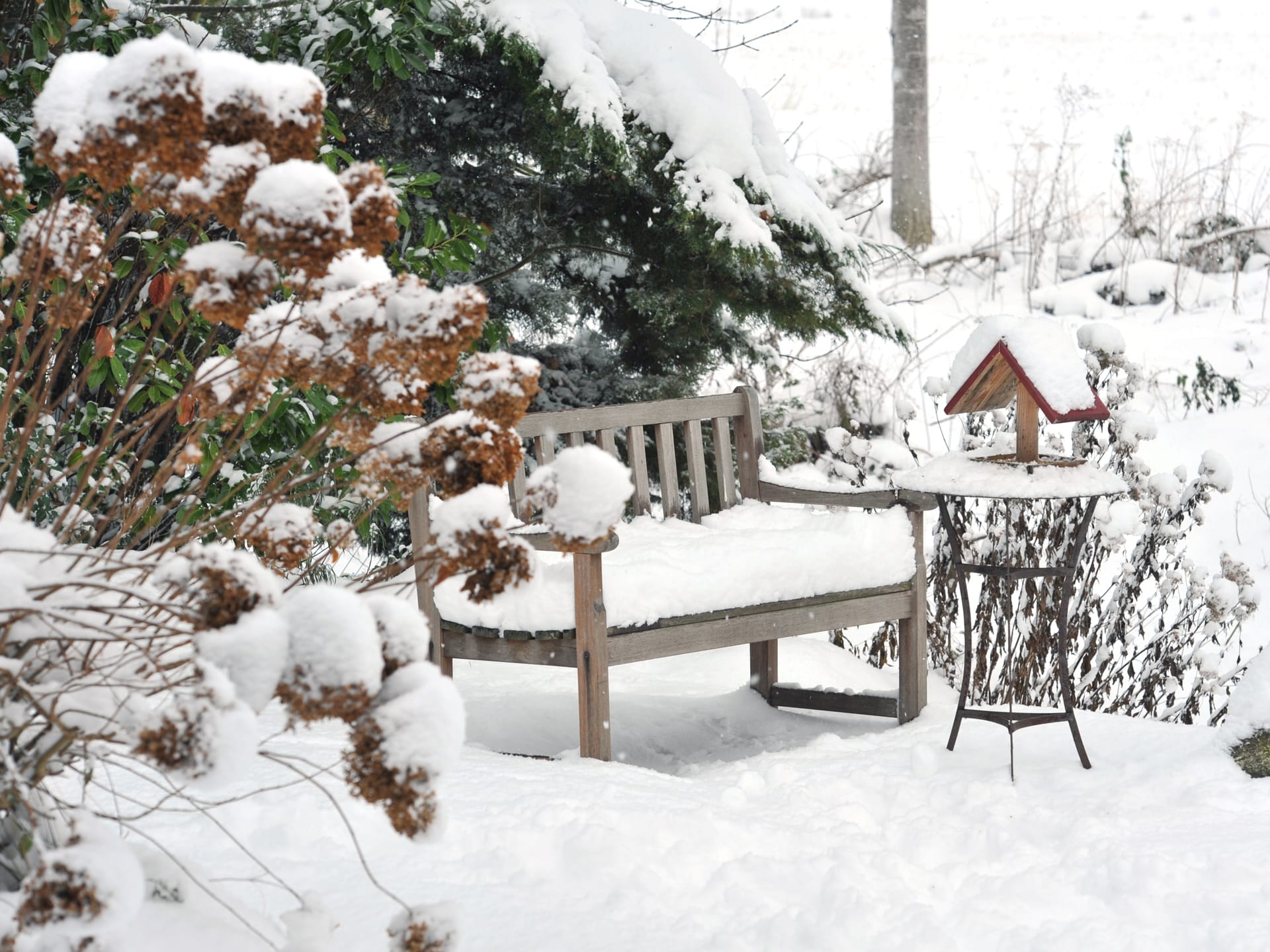
The leaves are falling, the days are getting shorter, and your garden is slowing down, but before you put away the tools and turn your attention indoors, a little late-season care can make a lasting difference.
Winter preparation is about helping plants hold onto moisture, protecting their roots, and knowing which cleanup tasks can wait. Whether winter brings deep snow, drying winds, or repeated swings between freezing and thawing, these five checks will help your landscape head into the season in better shape.
Key Takeaways for Preparing Your Garden for Winter
- Improve soil before winter arrives. Add finished compost to garden beds to support soil structure, manage moisture, and support next season’s growth.
- Protect roots with properly applied mulch. Refresh thin areas around trees and shrubs, keep mulch away from trunks and crowns, and wait until plants are dormant and the ground freezes before adding extra winter cover over perennials.
- Know what to cut and what to leave. Remove diseased foliage and damaged branches, leave healthy grasses and seedheads for winter interest and wildlife, and save major pruning for the appropriate season.
- Prepare protection for vulnerable plants. Have burlap screens ready for exposed evergreens, and follow product directions when using Wilt Stop to help reduce moisture loss on suitable plants.
- Keep checking moisture until the ground freezes. Water when soil is dry and unfrozen, especially around new plantings and evergreens, rather than relying on a single late-November watering.
1. Prepare Your Soil for Next Spring
When the vegetable garden is winding down, and the perennial beds are thinning out, it is easier to see and reach the soil beneath your plants. Take advantage of that access to improve your garden’s foundation. Finished compost adds organic matter that supports soil structure, moisture management, and nutrient availability over time. It is useful in vegetable gardens, perennial beds, and around established trees and shrubs.
Add Compost Where It Counts
Start by removing diseased plant debris and weeds. Then spread finished compost across the soil surface. Around established plants, top-dress gently rather than digging through roots, and leave space around trunks, stems, and plant crowns.
In an empty vegetable bed, compost can be incorporated when the soil is workable. Avoid working soil when it is wet enough to smear or form sticky clumps.
You can also cover bare vegetable garden soil with healthy shredded leaves. As those materials break down, they contribute organic matter and help protect the soil surface through winter. Lurvey’s Fall Cleanup Checklist includes more ideas for putting fallen leaves to work.
Fall soil preparation does not mean adding every amendment on the shelf. If a garden struggled this year, make a note of the problem and consider a soil test before choosing fertilizers or products intended to change soil pH.

2. Check Mulch Coverage and Protect Roots
Your plants may be hardy enough for winter, but their roots still benefit from protection. Mulch helps conserve moisture and slow changes in soil temperature, reducing the stress caused by repeated freezing and thawing.
Those temperature swings can also cause frost heaving, which pushes shallow-rooted plants and new plantings upward and exposes their crowns and roots. A protective mulch layer helps keep the conditions in your garden more stable.
Refresh Thin Areas Without Piling It On
Check the existing mulch around trees and shrubs before adding more. Aim for a total layer of approximately 2–4 inches, spreading it over the root zone while keeping it several inches away from trunks. Adding a fresh layer over an already thick bed can leave plants buried too deeply.
Useful materials include shredded hardwood mulch and healthy shredded leaves. Evergreen boughs can also provide loose winter protection over perennial beds. After the holidays, branches from a fresh-cut Christmas tree can serve the same purpose.
Time Extra Winter Cover Carefully
Refreshing the usual mulch around trees and shrubs is different from covering dormant perennials with an additional winter blanket.
For perennials that need that extra protection, gather materials now and wait until plants are dormant and the ground has frozen before applying the winter covering. Covering too early or too heavily can trap excess moisture and create problems around plant crowns.
Keep diseased leaves out of your winter mulch. Foliage affected by leaf spots, mildew, or other disease should be removed in fall and handled through an appropriate local disposal program.
Our Fall and Winter in the Perennial Garden guide explains winter mulch timing and other ways to protect perennial beds.
3. Check Before You Cut
It is tempting to finish fall cleanup by cutting everything back. But a garden does not need to be bare to be ready for winter.
Some plants benefit from keeping their stems and foliage, while others need cleanup to reduce disease problems. Before reaching for the pruners, take a closer look at what is growing in each bed.
Leave Healthy Plants With Winter Value
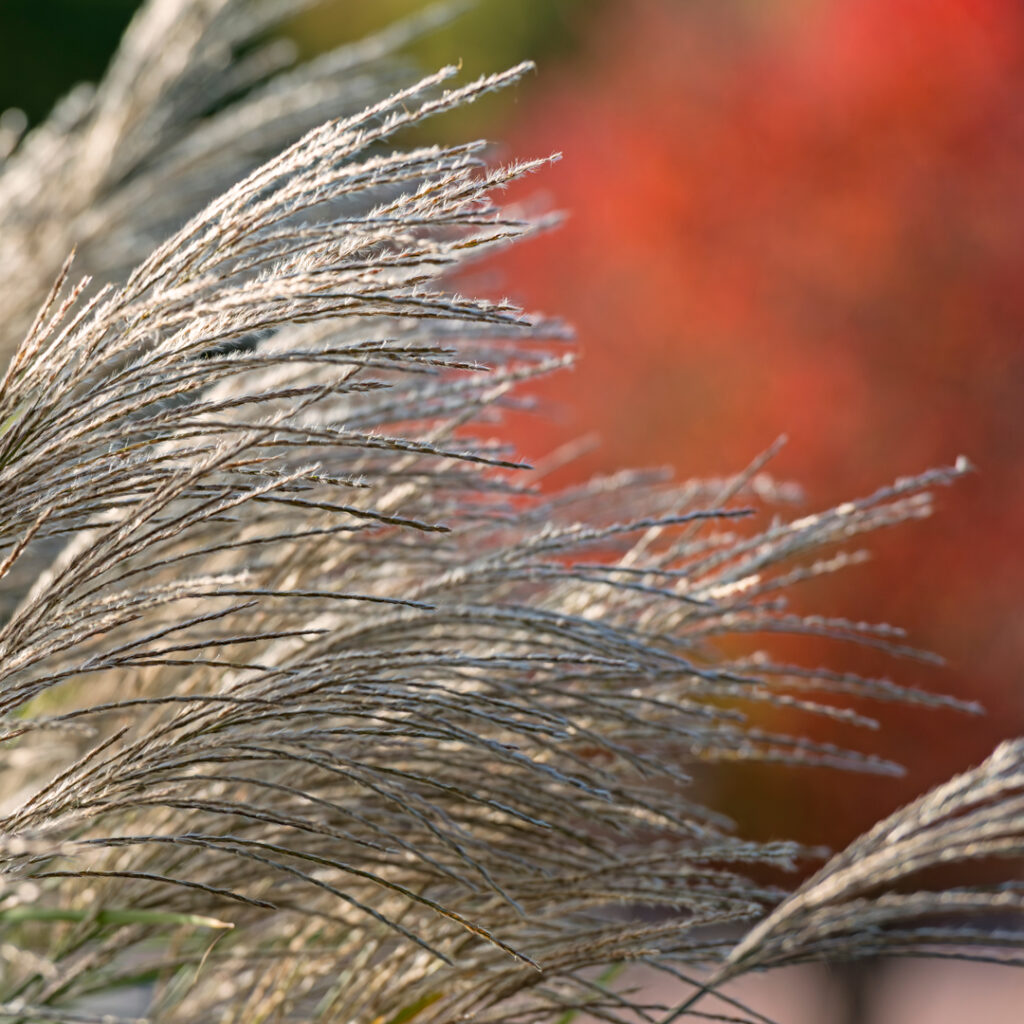
Ornamental grasses bring movement, texture, and color to the winter landscape. Perennials such as coneflowers and black-eyed Susans can provide seedheads for birds, while standing stems offer shelter for beneficial insects.
Remaining foliage can also help protect plant crowns and catch fallen leaves and snow. Leaving selected plants standing gives your garden winter interest while saving some cleanup for spring.
Remove perennial foliage that had disease or pest problems during the growing season. You may also want to remove seedheads from plants that spread more freely than you would like.
Save Major Shaping for the Right Season
Remove dead or broken branches as needed, but avoid treating fall leaf drop as a signal to reshape every tree and shrub. Most structural pruning is better saved for full dormancy, with the timing adjusted to the plant.
Take particular care with hydrangeas. Some bloom on old wood, meaning next year’s flower buds are already on the stems. Cutting them back now can remove those future blooms. Others flower on new growth and can be pruned in late winter or early spring. Identify your hydrangea before deciding what to cut. Our Hydrangeas Demystified brochure is a great resource that will help answer your hydrangea questions.
For roses, save the main pruning assessment for spring, when you can better identify winter-damaged wood.
If you are unsure about a plant, take a photo and ask our nursery specialist before making a major cut.
4. Prepare Protection for Exposed Plants
Winter can be challenging even without heavy snow or extreme cold. Sunny days, dry air, and persistent winds can pull moisture from evergreen foliage while frozen soil limits the water roots can absorb.
Newly planted evergreens and shrubs in open locations deserve particular attention. Walk your property and look for plants exposed to prevailing winds, strong winter sun, or road salt spray.
Have Burlap and Supports Ready
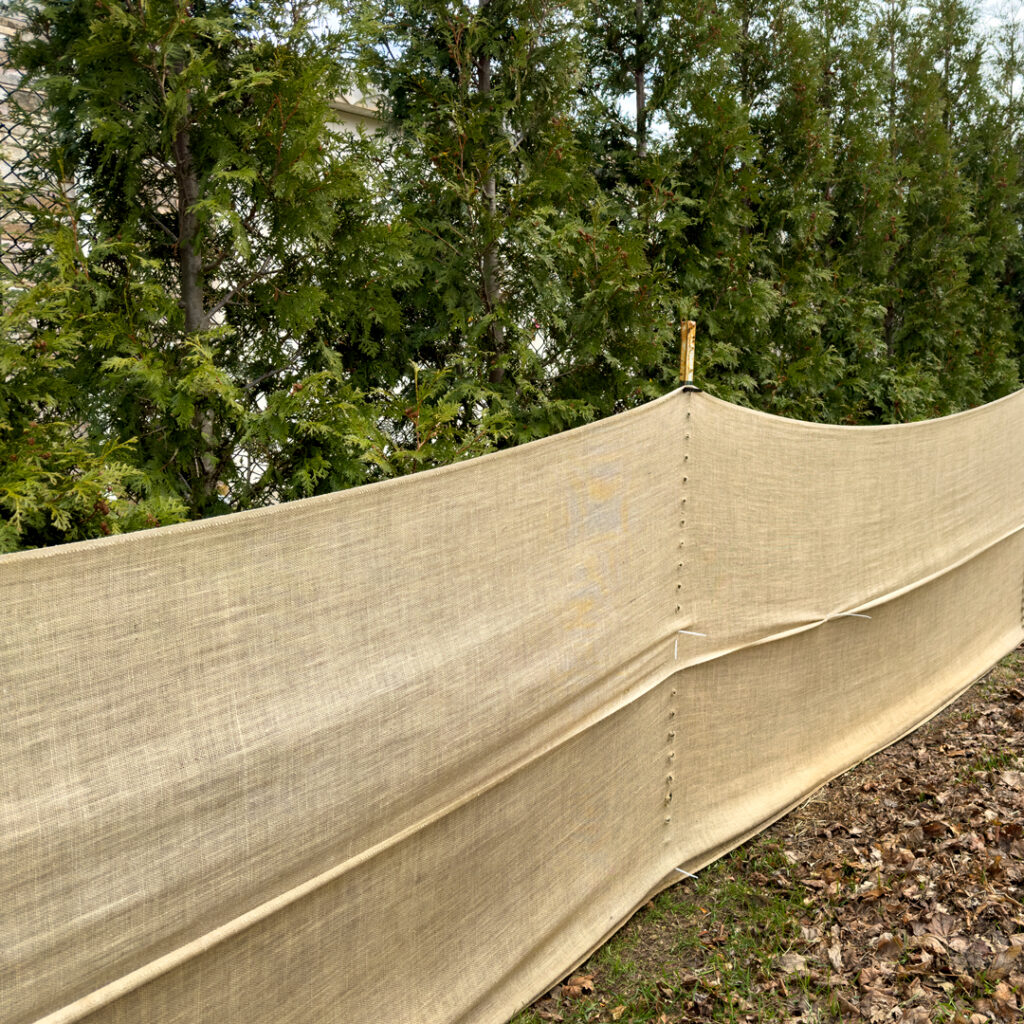
A burlap screen can help shelter vulnerable evergreens from wind and sun. Use stakes to support the material on the exposed sides, leaving space between the screen and foliage. This creates protection without tightly binding the branches.
Install stakes before the ground freezes so you can add the screen when needed.
Young, thin-barked trees may also benefit from seasonal trunk protection against winter sunscald. Tree guards or fencing can help where rabbits and other animals are likely to feed on bark. Check the protection periodically and remove seasonal trunk wraps in spring.
Consider Wilt Stop for Suitable Plants
Bonide Wilt Stop is an anti-transpirant that forms a protective film on foliage to help reduce moisture loss. It can be part of a winter-care plan for suitable plants, alongside watering, mulch, and protection from exposure.
Application timing matters. Follow the current product label for suitable plants, temperatures, drying conditions, and any repeat applications. Choose conditions that allow the spray to dry and set properly, rather than relying on a calendar date alone.
Some evergreens require testing before broader use, and treatment can temporarily affect the blue coloring of blue spruce. Read our Wilt Stop Know & Grow guide alongside the product label before applying.
5. Check Moisture Before Putting Away the Hose
Cool weather does not automatically mean your plants have enough water. A dry fall can leave trees, shrubs, and perennials heading into winter with too little moisture around their roots.
Pay particular attention to plants installed within the past few years. Their root systems are still establishing, making access to consistent moisture especially important.
Water According to Soil Conditions
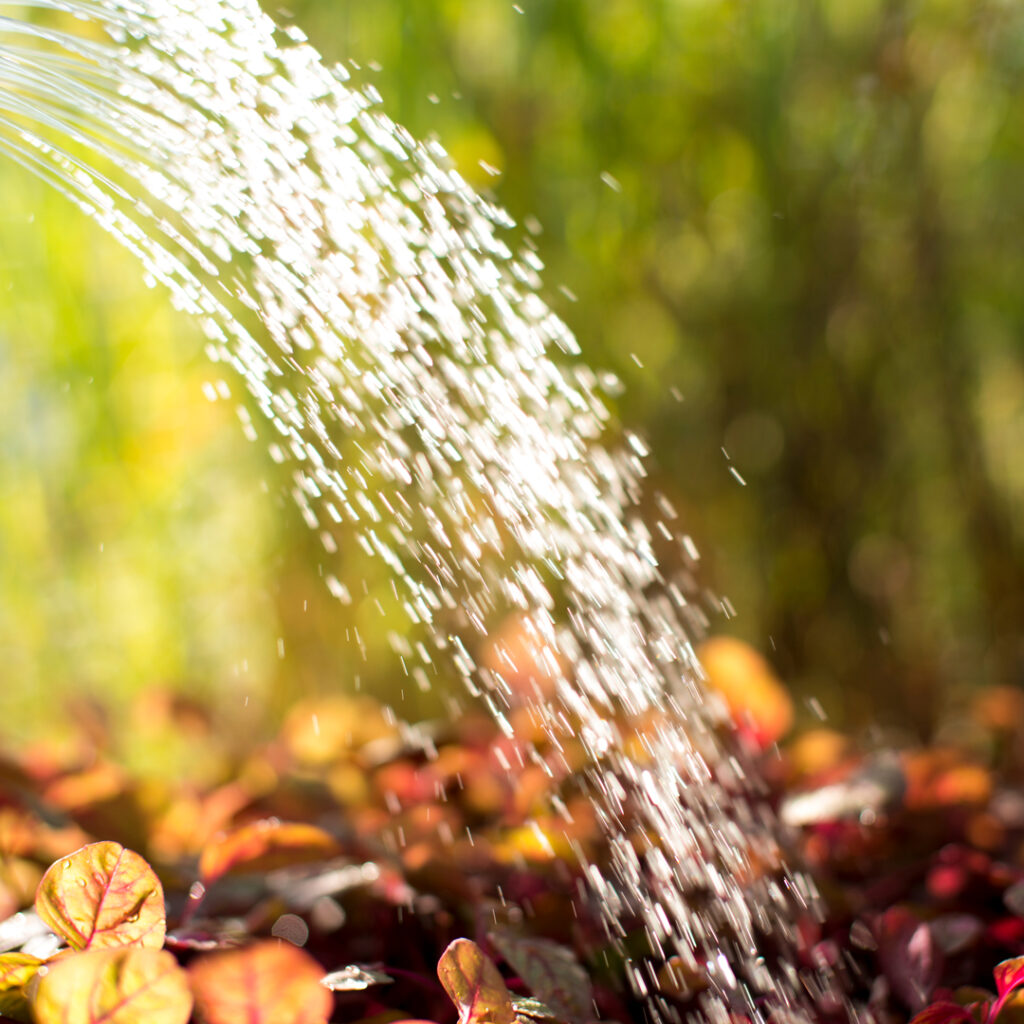
Check beneath the mulch and several inches into the soil. If the root zone is dry and the ground is unfrozen, water slowly enough for moisture to soak in rather than run off. For new plantings, check the original root ball, as well as the surrounding soil.
Late November is a useful reminder to assess the landscape, but watering may be needed earlier or later depending on rainfall and temperatures. Keep checking until the ground freezes. The goal is moist soil, not saturated ground, and additional watering is unnecessary when the soil already holds adequate moisture.
Match watering to the plant, too. Perennials such as lavender and many sages need good drainage and should not sit in wet soil through winter.
Keep an Eye on Dry Winter Conditions
During a prolonged dry spell, a winter thaw may provide another opportunity to water vulnerable plants. Only water when the soil has thawed enough to absorb it. A mild afternoon does not necessarily mean frozen ground is ready for watering.
For more guidance on protecting recent additions to your landscape, read our Winter Care for Newly Planted Trees & Evergreens guide.
Disconnect and drain hoses after use, following the winterization instructions for your outdoor faucets and watering equipment.
Get Your Garden Ready With Lurvey
A little preparation now can help protect the plants you have spent the season growing. Check your soil, refresh mulch where needed, make thoughtful pruning decisions, and keep watching moisture as winter approaches.
Visit Lurvey Home & Garden for compost, mulch, Wilt Stop, and advice on preparing your landscape for the season ahead.