
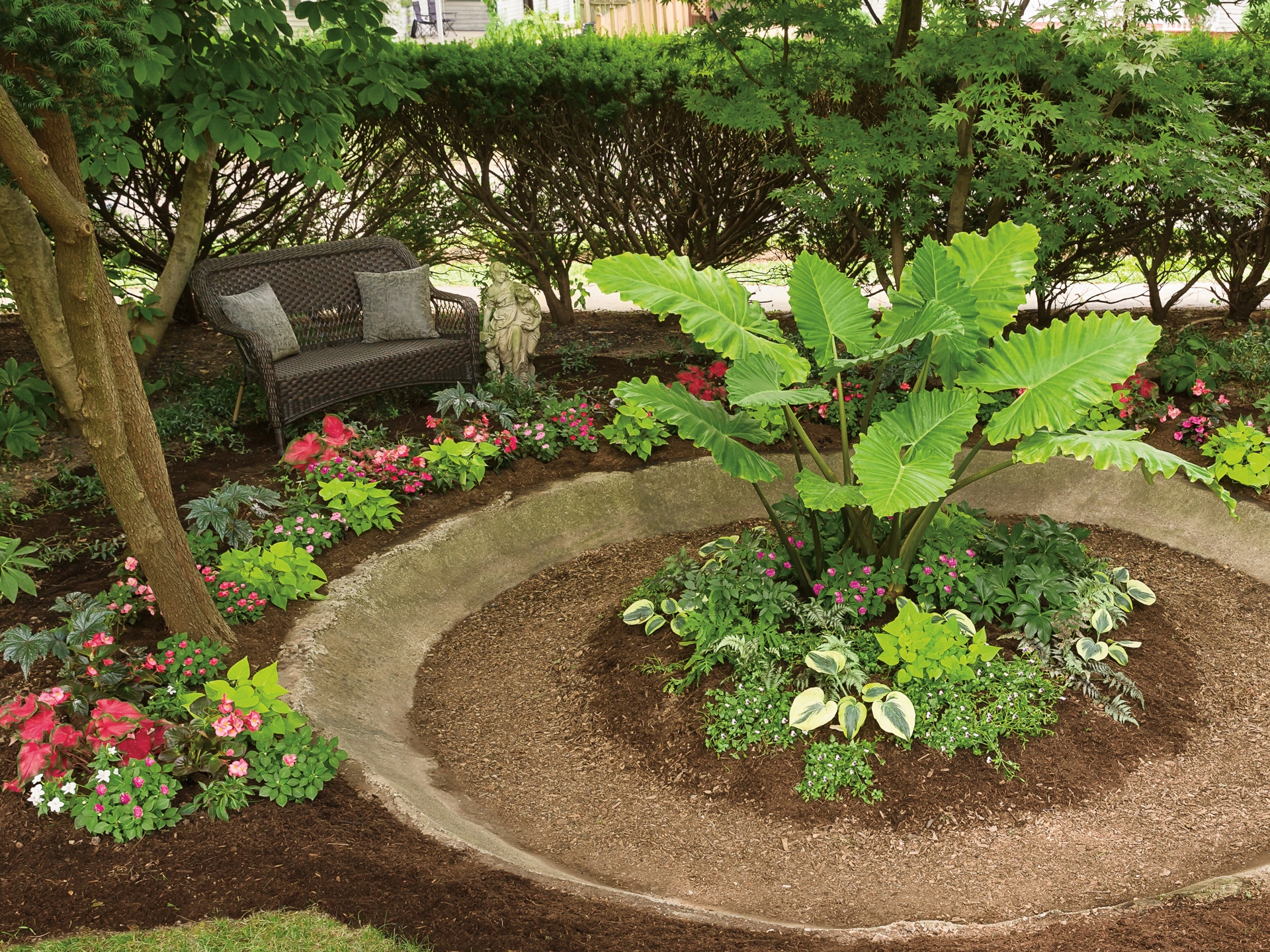
Tropical plants bring bold foliage, vibrant flowers, and a warm-weather feel to patios, containers, and landscapes throughout the summer. Unfortunately, they are also among the first plants to struggle when fall temperatures arrive. With a little planning, you can bring many tropical plants indoors, store them in a dormant state, and enjoy them again the following season. Successfully overwintering tropical plants begins with choosing which plants are worth saving. You must prepare them for the move, and adjust their care to match indoor conditions.
Decide Which Plants to Save and When to Act
Not every plant needs to make the move indoors. True annuals such as marigolds, zinnias, and nicotiana generally do not perform well as houseplants and are usually easier to replace the following spring. Many tropical plants and tender perennials are good candidates for overwintering. These include hibiscus, geraniums, coleus, begonias, ferns, palms, citrus, flowering maple, and Tradescantia. Plants that grow from bulbs, corms, or tubers, including cannas, caladiums, calla lilies, dahlias, ginger, and elephant ears, can often be lifted and stored rather than maintained as actively growing houseplants.
Before moving everything inside, consider each plant’s health, size, indoor requirements, and value. A favorite hibiscus or citrus tree may be worth the effort, while a heavily infested or unhealthy plant may create more problems than it is worth. Space is another consideration because plants that looked appropriately sized on a patio can quickly overwhelm an indoor room. Decide what you can realistically accommodate and give each plant enough space, light, and attention throughout the winter.
Begin preparing plants when nighttime temperatures regularly fall below 55°F. Bring sensitive tropical plants indoors before temperatures drop below 50°F, so do not rely on a specific calendar date. Fall weather can change quickly. One unexpectedly cold night may damage tender foliage.
Inspect and Prepare Plants Before Bringing Them Indoors
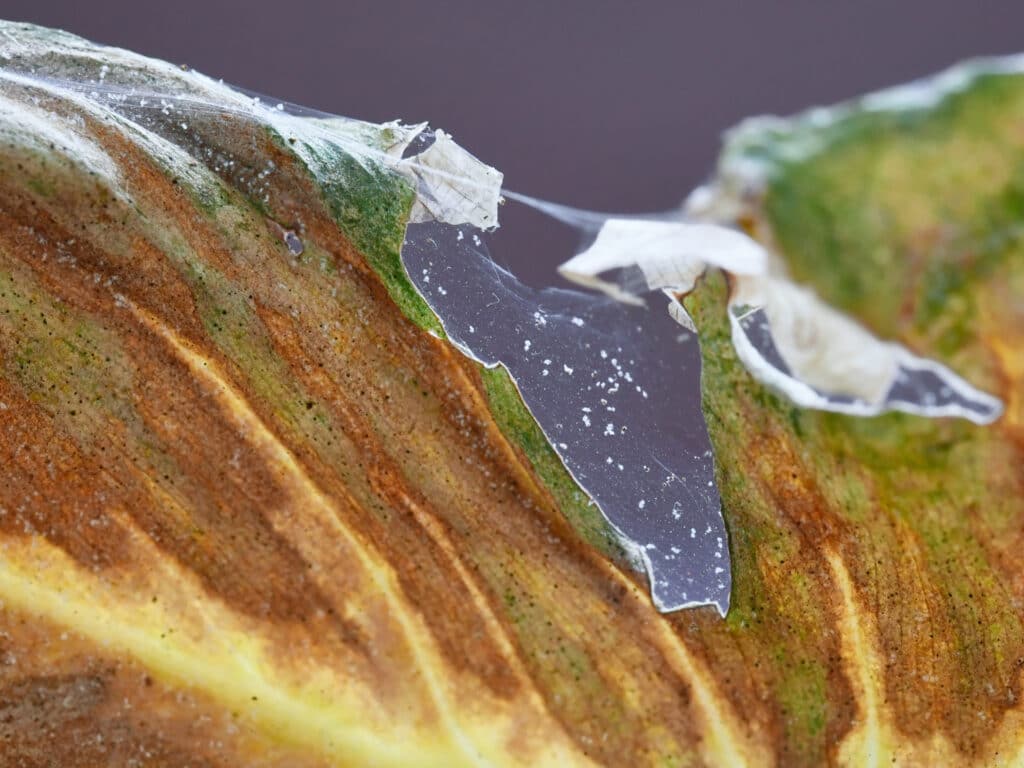
Outdoor plants can carry aphids, spider mites, mealybugs, scale, whiteflies, fungus gnats, and other unwanted visitors. Small pest populations may be difficult to notice outdoors. Once inside, they can multiply rapidly and spread to other plants. Examine the tops and undersides of leaves, stems, leaf joints, new growth, containers, and the soil surface. Watch for webbing, sticky residue, white cotton-like material, raised bumps, stippled foliage, yellowing, or distorted new growth.
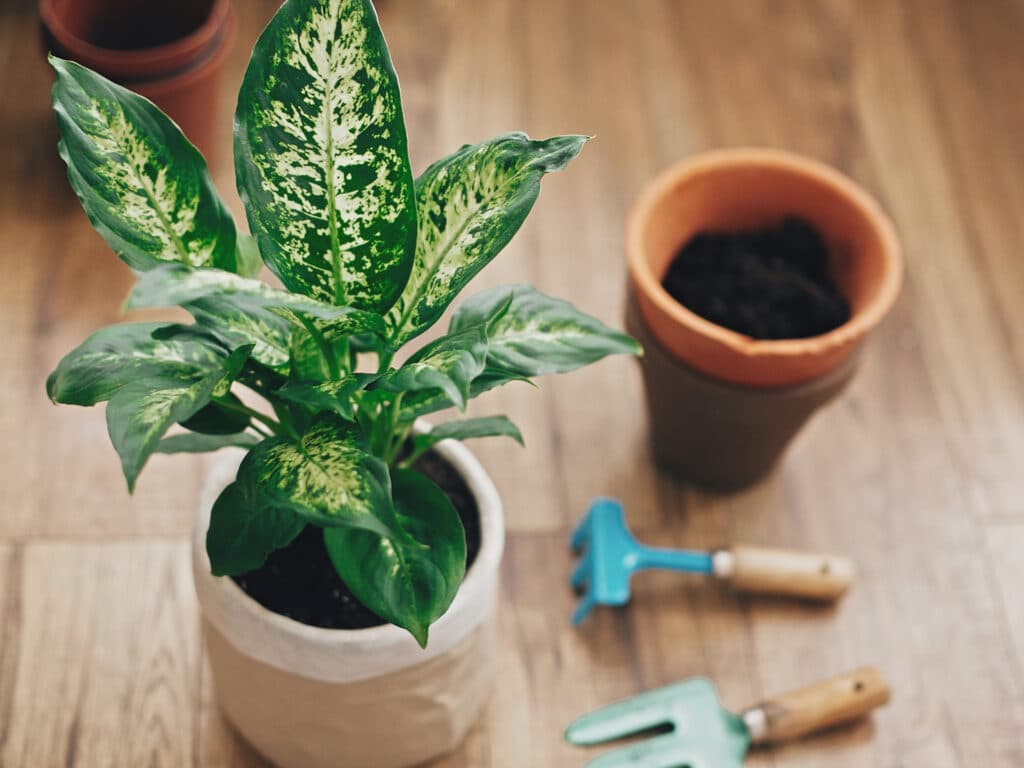
Once you finish the inspection, remove fallen leaves, weeds, and debris from the soil surface. Rinse the foliage and pot thoroughly with a garden hose. Pay special attention to the undersides of leaves. Check the potting mix for ants, earwigs, or other insects. Clean the outside and bottom of the pot before bringing it indoors. If the outdoor pot does not suit your interior, explore our collection of indoor containers. Keep the plant in a pot with drainage holes, then place it inside the decorative container. If the plant has a severe pest or disease problem, consider disposing of it rather than risking your other plants.
You can also prune plants before bringing them inside, but the amount of pruning should match the type and condition of the plant. Remove damaged or diseased growth first, then trim excessively long or leggy stems to make the plant more manageable. Geraniums and some begonias may be reduced by approximately one-third, while many other tropical plants only need light shaping and cleanup. You can also preserve soft-stemmed plants such as coleus and begonias by taking cuttings when there is not enough room to accommodate the entire plant.
Even after plants have been carefully cleaned, keep them separated from established houseplants for approximately three to four weeks. Continue inspecting leaves, stems, and soil during this period because pests or eggs may have escaped the initial inspection. Quarantining returning plants provides an opportunity to address problems before they spread throughout an indoor plant collection.
Choose the Right Overwintering Method
Different plants require different overwintering strategies. Some plants continue to grow indoors with adequate light, while others are easier to maintain as cuttings or store in a dormant state. Matching the method to the plant improves the likelihood that it will remain healthy until spring.
| Plant type | Examples | Recommended approach |
|---|---|---|
| Container-grown tropicals | Hibiscus, citrus, palms, ferns, flowering maple | Bring indoors and place in suitable light |
| Soft-stemmed plants | Coleus, geraniums, begonias, Tradescantia | Bring indoors, prune as needed, or take cuttings |
| Bulbs, corms, and tubers | Canna, caladium, calla lily, dahlia, elephant ear | Allow dormancy, lift, dry, and store |
| True annuals | Marigolds, zinnias, nicotiana | Replace the following season |
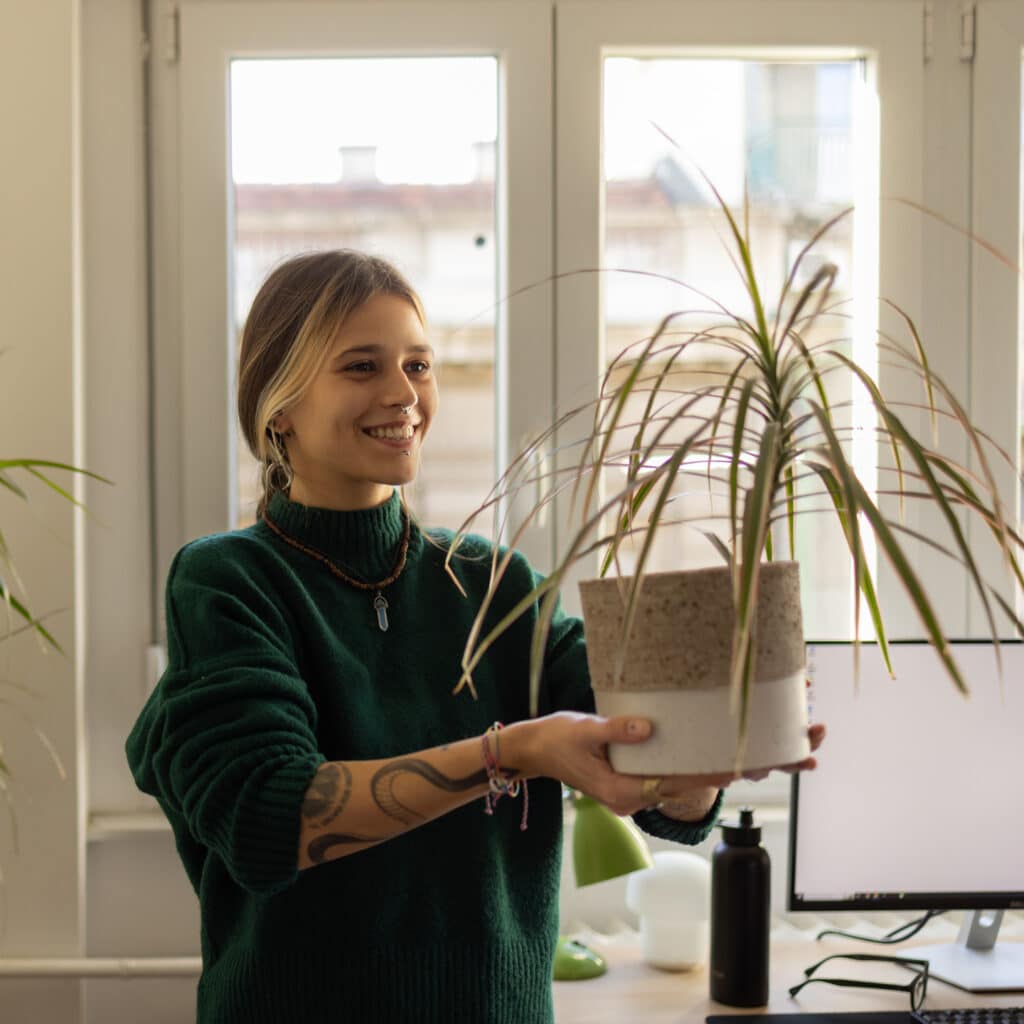
Clean and prune tropical plants that will continue growing indoors. Then place them where they will receive the appropriate amount of light. Sun-loving tropicals generally perform best near a bright south- or west-facing window, while shade-loving plants need bright, indirect light. Keep foliage from touching cold window glass, and avoid locations near exterior doors, fireplaces, heating vents, or other areas with significant temperature fluctuations.
You can often store cannas, caladiums, calla lilies, dahlias, and elephant ears in a dormant state. Once the foliage begins to brown and die back, carefully lift the bulbs, corms, or tubers from the soil and remove most of the loose dirt without damaging them. Allow them to dry for several days in a shaded, well-ventilated area before removing the remaining top growth. Pack them in dry peat moss, vermiculite, wood shavings, or another suitable material. Store them in a cool, dark, frost-free location. Storage needs vary by species, but temperatures between approximately 35°F and 50°F are suitable for many tender bulbs, corms, and tubers. Inspect them periodically during winter and discard anything that becomes soft, moldy, or badly shriveled.
Help Tropical Plants Adjust to Indoor Conditions
Moving from the patio to the house is a significant environmental change. Even the brightest indoor window provides less light than most plants receive outdoors, and the sudden reduction can cause yellow leaves, leaf drop, or slower growth. When time and weather allow, move plants into a shaded outdoor location for about a week before bringing them inside. Gradually reducing their exposure to sunlight can make the transition less stressful.
Some leaf loss is normal, particularly for hibiscus, citrus, and ficus. The plant must adjust to shorter days and lower light. It also faces reduced humidity and different temperatures. Resist the urge to respond to every yellow leaf with additional water or fertilizer because doing so may create new problems. Instead, place the plant in the best available light, maintain stable temperatures, and give it time to acclimate.
Indoor air is usually much drier during winter, but frequently misting foliage provides only a temporary increase in humidity. Group plants together to create a slightly more humid microclimate, or a room humidifier can be used when appropriate. Keep plants away from hot, dry air produced by heating vents, but make sure grouped plants still have adequate air circulation and enough space for regular pest inspections.
Adjust Watering and Fertilizing for Winter
Plants generally grow more slowly indoors during winter and require less water than they did outside. Rather than watering on a fixed schedule, check the soil first. For many container plants, it is time to water when the top 1 to 2 inches of soil feels dry. Water thoroughly until excess moisture drains from the bottom of the container, then empty the saucer so the roots are not left sitting in water.
Watering frequency varies from one plant to another. Container size, temperature, humidity, and available light all affect how quickly soil dries. A large tropical plant growing near a bright window may dry more quickly than a smaller plant in a cooler room. Consistently wet soil can contribute to fungus gnats, root problems, and general plant decline, making overwatering one of the most common challenges during winter. Check decorative outer pots after watering because they may collect water even when the plant’s inner container has drainage holes.
Most overwintering tropical plants need little or no fertilizer during the shorter days of winter. Fertilizing a plant that is not actively growing can contribute to weak growth or a buildup of salts in the potting mix. Resume feeding in spring when days lengthen and healthy new growth becomes visible.
Manage Indoor Plant Pests Carefully
If pests are discovered, begin with the least disruptive control method. A strong stream of water can remove aphids and spider mites, while individual scale insects or mealybugs may sometimes be removed by hand or wiped from the plant. It’s best to prune and discard heavily affected leaves. Removing them will not compromise the health of the plant. Continue monitoring after treatment because more than one attempt may be needed to control insects at different stages of their life cycle.
Insecticidal soap, horticultural oil, neem-based products, and other houseplant pest controls may be appropriate in certain situations. Choose the treatment based on the pest and plant species. Also consider where you plan to apply the product. Always confirm that the product is labeled for indoor use and for the plant being treated. Read and follow the entire label, including application rates, ventilation requirements, protective equipment, and safety precautions. Applying more than the recommended amount will not improve control and may actually damage the plant.
Need Help Identifying a Plant Problem?
Complete our Plant Rx Form and attach clear photos. Include close-up images of the affected area and a photo of the entire plant. Details about watering, light, location, and recent changes will help our Plant Health team diagnose the problem and recommend the best next steps.
Preparing Plants to Return Outdoors
As spring approaches, plants will respond to longer days by producing new growth. This is the time to gradually increase watering and resume fertilizing as needed. Repot plants that have outgrown their containers before the outdoor growing season begins. Inspect stored bulbs, corms, and tubers and prepare them for planting as well.
Do not move tropical plants directly from the house into full outdoor sunlight. Indoor leaves are not adapted to intense sunlight and can scorch quickly. After the danger of frost has passed and nighttime temperatures are suitable, place plants in a protected, shaded location for short periods. Gradually increase their time outdoors and exposure to brighter light over one to two weeks.
Final Thoughts
Overwintering tropical plants requires some preparation, but the effort can preserve favorite specimens, protect a seasonal investment, and provide a head start on next year’s containers and landscapes. Begin before cold weather arrives, inspect every plant carefully, choose the appropriate overwintering method, and adjust watering and care for the slower winter growing season. If you need help choosing indoor plant-care products or preparing your tropical plants for the transition, visit Lurvey Home & Garden in Des Plaines and speak with our knowledgeable team.