Planting in summer might feel intimidating, especially when the forecast is full of heat, sunshine, and dry stretches. The good news? You can still plant successfully in the summer with the right care, timing, and follow-through.
While spring and fall often get the spotlight, summer can still offer plenty of opportunities to refresh a landscape, fill garden gaps, add seasonal color, or finally tackle a planting project that has been sitting on your list. The key is to help new plants settle in while reducing stress from heat, dry soil, and intense afternoon sun.
Key Takeaways
- Summer planting can be successful when new plants receive consistent watering and proper planting techniques.
- Water deeply to encourage strong root growth instead of frequent shallow watering.
- Apply mulch around trees, shrubs, and garden beds to help retain moisture and regulate soil temperature.
- Plant during the cooler morning or evening hours to reduce heat stress and transplant shock.
- Monitor newly planted landscapes regularly during periods of extreme summer heat.
Can You Plant in Summer?
Yes, you can plant in summer. New plants simply need a little more attention than they might during cooler parts of the year.
Summer planting success comes down to a few important habits: choosing the right plant for the right place, planting at the right time of day, watering deeply and consistently, and protecting the root zone from heat and moisture loss. When you start strong and keep an eye on your plants after planting, trees, shrubs, perennials, grasses, roses, annuals, and other garden additions can continue to grow and establish.
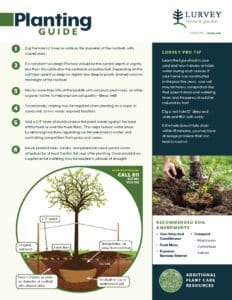
Need a quick reference before you dig in? Our Planting & Watering Guide includes helpful planting reminders, watering tips, and visuals you can keep handy throughout the season.
Plan Before You Plant
A little planning can make a big difference, especially during hot summer weather. Before choosing a spot or digging a hole, take time to think about where the plant will grow, how much sun it will receive, and what conditions will help it settle in successfully.
Start With the Right Plant in the Right Place
Before you dig, take a few minutes to think about where the plant will live long-term. Sun exposure, soil conditions, available space, drainage, and wind exposure all matter, especially during hot weather.
A plant that prefers part shade may struggle in a full-sun location during the hottest weeks of summer. A plant that needs well-drained soil may decline in a low, wet spot. A tree or shrub planted too close to a walkway, building, or other plant may create problems later as it matures.
Matching the plant to the location gives it a better chance to handle summer stress and establish a strong root system. Still deciding what to plant? Our Dream Garden Inspiration Guide can help you explore plant ideas, garden styles, and combinations that fit the way you want your landscape to look and feel.
Time Your Summer Planting Around the Heat
Summer heat can make planting harder on both people and plants. Whenever possible, avoid planting during the hottest part of the day.
Early morning and evening usually offer better planting windows because temperatures are cooler and the sun is less intense. Planting in the evening can give new plants overnight hours to begin adjusting before they face the next day’s heat.
Cloudy days, cooler days, and days after a light rain can also create helpful planting conditions. Try to avoid planting during extreme heat, high winds, or long dry stretches when possible.
Set New Plants Up for Success
Once you have the right plant and the right location, proper planting technique helps give new roots the best possible start. Moisture, planting depth, and careful backfilling all play an important role in helping plants establish during the summer months.
Water Before You Plant
Do not start with dry soil or a dry root ball. Moisture matters before, during, and after planting.
Before planting, water the plant while it is still in its container or root ball. If the planting area feels dry, water the surrounding soil as well. Damp soil is easier to work with and gives new roots a better environment from the start. The goal is not to create mud. The goal is to make sure the plant and planting area have enough moisture to reduce stress during the transition.
Plant at the Proper Depth
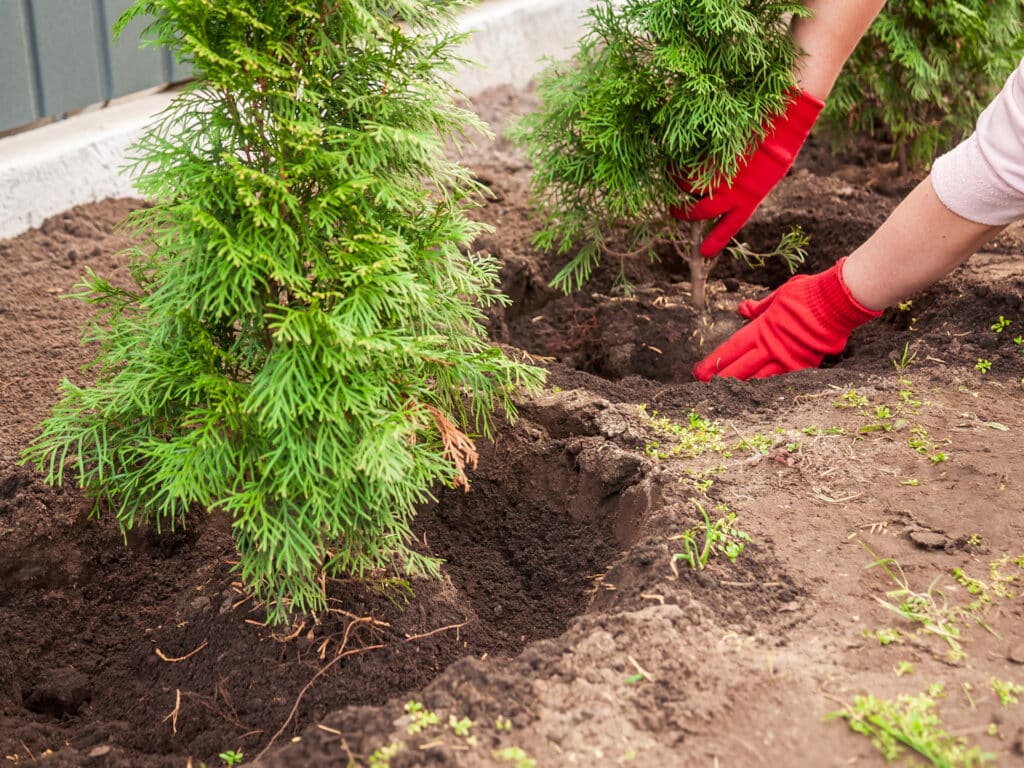
Planting depth can make a big difference in long-term plant health. A plant placed too deep may struggle because the roots and crown do not get the air movement they need, while a plant placed too high may dry out too quickly.
For most trees and shrubs, the top of the root ball should sit level with or slightly above the surrounding soil. Avoid burying the root flare or piling soil against the stem or trunk. For perennials and smaller plants, keep the crown at the proper soil height and avoid covering it with extra soil or mulch.
Dig the planting hole wider than the root ball so the roots have room to grow into loosened soil. The hole should not be much deeper than the root ball itself.
Backfill Carefully
Once the plant is in place, backfill with the soil you removed from the planting hole. Break up large clumps, gently firm the soil around the root ball, and avoid packing it down too tightly. Heavy compaction can limit air and water movement around the roots. Lightly firming the soil helps remove large air pockets while still giving roots room to grow. After backfilling, water the planting area thoroughly. This helps settle the soil and brings moisture into direct contact with the root zone.
Water the Right Way
Watering is one of the most important parts of summer planting, but more water is not always the answer. The goal is to water deeply, check moisture regularly, and ensure the root zone gets what it needs without becoming overly saturated.
Water Deeply, Not Lightly
Watering is one of the most important parts of summer planting. New plants need consistent moisture while they establish, but they also need oxygen in the soil. That means watering should be deep and thoughtful, not quick and shallow.
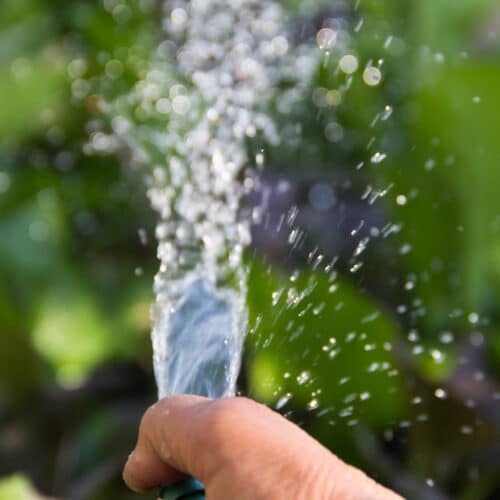
A light sprinkle may wet the surface without allowing water to reach the root zone. Deep watering encourages roots to grow downward and helps the plant handle heat more effectively.
Always check the soil moisture before watering. Stick your finger into the soil near the root ball or use a soil probe. If the soil feels moist, wait and check again later. If it feels dry, water slowly and deeply.
New plantings may need daily checks during hot weather, especially in the first few weeks. Containers, hanging baskets, newly planted perennials, and smaller shrubs can dry out faster than larger in-ground plantings.
For more specific watering volume and frequency guidance for trees, shrubs, and perennials, refer to our Planting & Watering Guide.
Do Not Rely on Rain Alone
Summer rain can be helpful, but it does not always deliver enough water to the root zone. A quick storm may wet the leaves and the soil surface while leaving the root ball dry.
After rain, check the soil near the plant before assuming it has enough moisture. This is especially important for newly planted trees and shrubs, where the original root ball can dry out even when the surrounding soil looks damp.
Protect Plants from Summer Stress
Heat, sun, wind, and dry soil can all add stress after planting. A few simple steps, like mulching properly, offering temporary protection when needed, and watching for early signs of stress, can help new plants adjust more comfortably.
Use Mulch to Protect the Root Zone
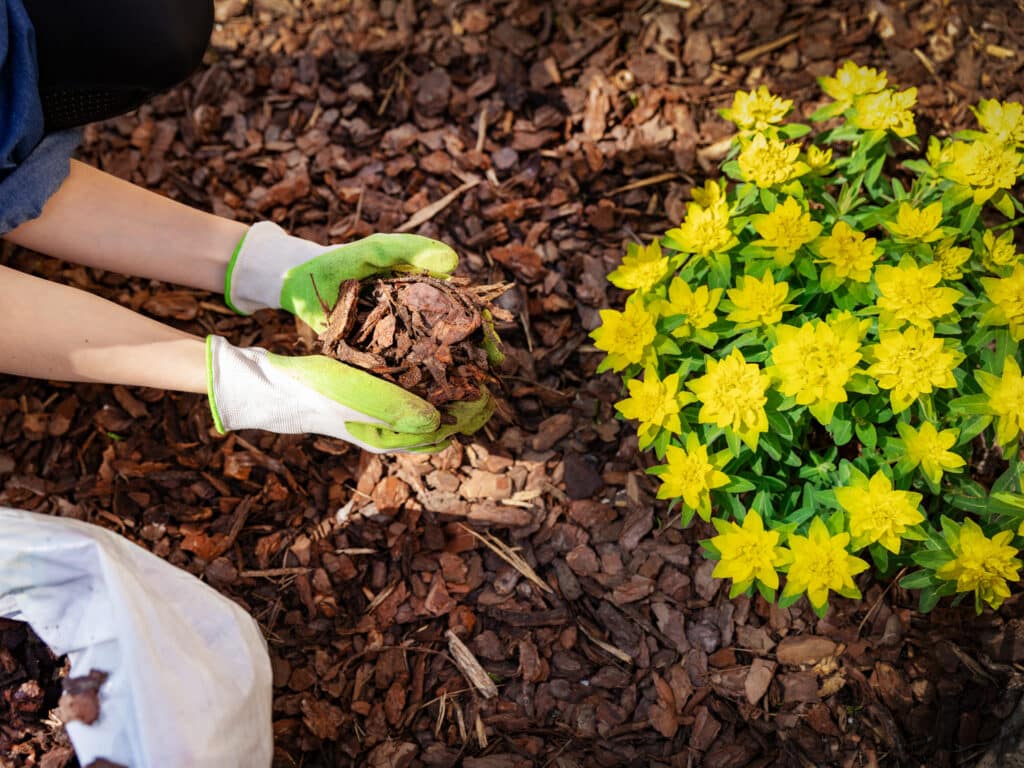
Mulch is one of the easiest ways to help new plants during summer. A proper 2-3 inch layer helps conserve moisture, moderate soil temperature, reduce weeds, and protect the root zone from hot, dry conditions.
Spread mulch evenly around the planting area, especially over and around the root ball, but keep it pulled back from trunks, stems, and plant crowns. For trees and shrubs, think “donut,” not “volcano.” Mulch should protect the soil, not pile up against the plant.
Mulch helps, but it does not replace watering. Continue checking the soil underneath the mulch so you know whether the root zone is moist or dry.
Give Plants a Little Extra Shade When Needed
Some plants may benefit from temporary protection during intense heat, especially right after planting. This does not mean every plant needs shade, but a little relief can help reduce stress in certain situations. For smaller plants, temporary shade cloth, a patio umbrella, or nearby taller plants can soften afternoon sun while roots begin to establish. Containers can sometimes move to a slightly more protected spot during extreme heat. Keep the plant’s long-term light needs in mind. Temporary protection should help the plant adjust, not permanently place a sun-loving plant in too much shade.
Watch for Signs of Summer Planting Stress
New plants often need time to settle in, and some mild stress can happen after planting. Watch for signs like wilting, curling leaves, browning edges, dropping leaves, or dry soil around the root ball.
Wilting does not always mean the plant needs more water. Plants can wilt from heat even when the soil still has moisture. Always remember to check the soil before deciding to water again. Too much water can cause problems too, especially in heavy clay or poorly drained areas. Daily observation helps you catch problems early and adjust your care before small issues turn into bigger ones.
Be Careful With Fertilizer During Heat
Summer planting is already a transition for new plants, so avoid pushing too much new growth during stressful conditions. In many cases, water, mulch, and proper planting matter more than fertilizer right away. If you plan to fertilize, choose the right product for the plant and follow label directions carefully. More is not better. Too much fertilizer can stress new roots, especially during hot weather.
Keep Up With Aftercare
Planting day is only the beginning. Summer planting works best when you continue checking in after the plant goes in the ground.
For the first few weeks, check moisture often and watch how the plant responds to weather changes. As the plant begins to establish, watering frequency may change. Hot, dry, windy weather may require more attention, while cooler or rainy stretches may require less.
The goal is steady care, not a rigid schedule. Your soil, your plant, and the weather should guide your watering routine.
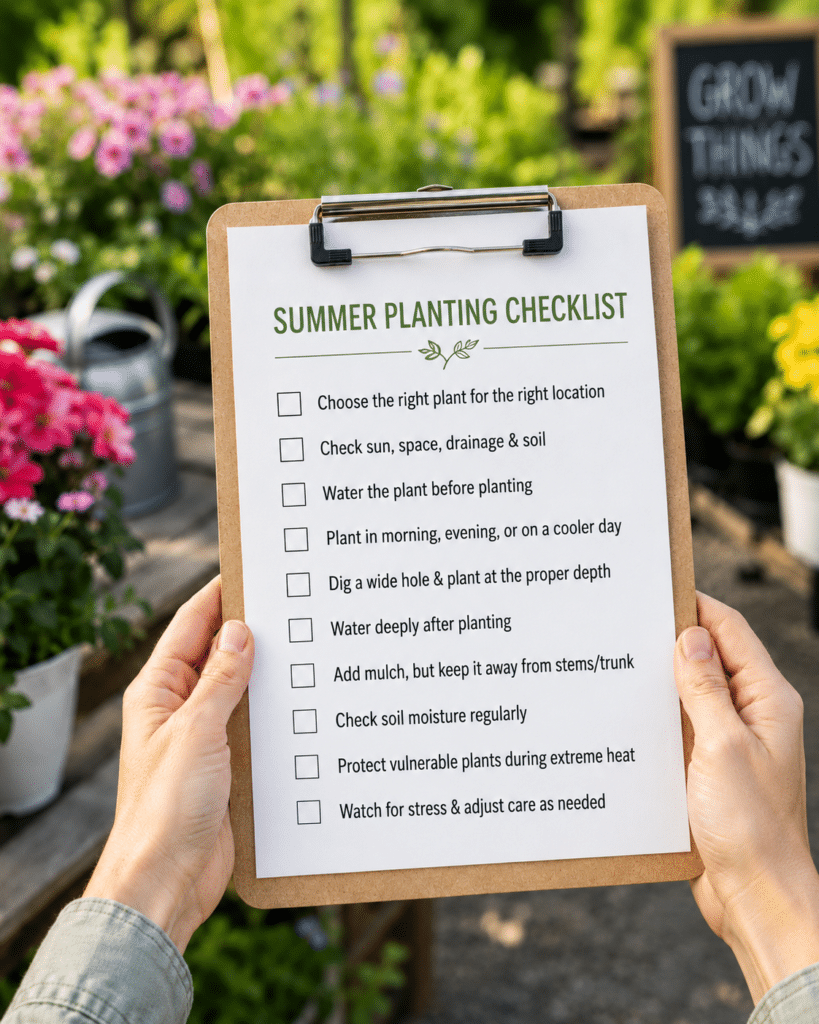
Summer Planting Checklist
Here’s a great checklist to keep you on track with your summer planting:
- Choose the right plant for the right location
- Check sun exposure, space, drainage, and soil conditions
- Water the plant before it goes into the ground
- Plant in the morning, evening, or on a cooler/cloudier day when possible
- Dig a wide planting hole and plant at the proper depth
- Water deeply after planting
- Add mulch, but keep it away from the trunk, stems, or crown
- Check soil moisture regularly
- Protect vulnerable plants during extreme heat
- Watch for stress and adjust care as needed
Helpful Resources Before You Plant
Use our Planting & Watering Guide for quick planting, mulching, and watering reminders. Then browse our Dream Garden Inspiration Guide for plant ideas, garden inspiration, and fresh ways to bring more beauty into your outdoor space.
Keep Planting With Confidence
Summer does not have to put your planting plans on hold. With smart timing, deep watering, proper planting techniques, and consistent follow-up care, you can help new plants thrive through the heat and continue enjoying your outdoor space all season long.
Need help choosing the right plant, solving a plant problem, or planning your next garden update? Browse our Dream Garden Inspiration Guide, visit Lurvey Home & Garden, talk with our team, or use our Plant Rx form for guidance.
Continue Planning Your Landscape Through the Seasons
Summer is an excellent time to establish new plants with proper watering and care, but it’s not the only opportunity to improve your landscape. As temperatures begin to cool, many trees, shrubs, and perennials benefit from fall planting conditions that encourage strong root development before winter. Understanding how planting recommendations change with the seasons can help you build a healthier, more resilient landscape year-round.
Continue Reading: Fall Plants, Gardening & Landscaping: A Fall Planting Guide