Summer can be a challenging season for plants. High temperatures, humidity, heavy rain, strong storms, insects, and rapidly growing weeds can all leave landscapes looking stressed by midsummer.
The good news is that many of the plant health issues we see during summer are manageable. Some symptoms are simply natural responses to heat, while others require intervention to prevent further damage. Knowing what to look for can help you decide when a plant needs attention and when it simply needs time to recover.
Here are some of the most common summer plant health issues we are seeing around Chicagoland, along with practical ways to protect your plants, lawn, and garden.
Key Takeaways for Summer Plant Health
- Check soil moisture before watering. Wilting during hot weather does not always mean a plant needs more water. Check the soil several inches below the surface before watering, and water slowly and deeply when needed.
- Watch for common summer pests and diseases. Japanese beetles, powdery mildew, and summer patch are among the plant and lawn problems that can appear during summer.
- Reduce stress on plants and lawns. Proper watering, appropriate pruning and deadheading, and good lawn-care practices can help maintain plant and lawn health during challenging summer conditions.
- Manage weeds before they spread. Young weeds are easier to remove and control than mature plants, so pull or treat weeds before they flower and produce seed.
- Identify the problem before choosing a treatment. Identify insects, weeds, and diseases before selecting a treatment, and make small, targeted corrections whenever possible.
- Ask Lurvey for help when you’re unsure. Lurvey’s plant experts can help identify plant-health concerns through Plant Rx or by reviewing photos and affected foliage brought to the Garden Center.
Heat Stress in Garden Plants
Though not as common in Chicagoland as other parts of the country, long stretches of high temperatures can be hard on even well-established plants. Plants naturally lose moisture through their leaves in a process called transpiration. During extreme heat, landscape plants may lose water faster than their roots can replace it.
Why Plants Wilt During Hot Weather
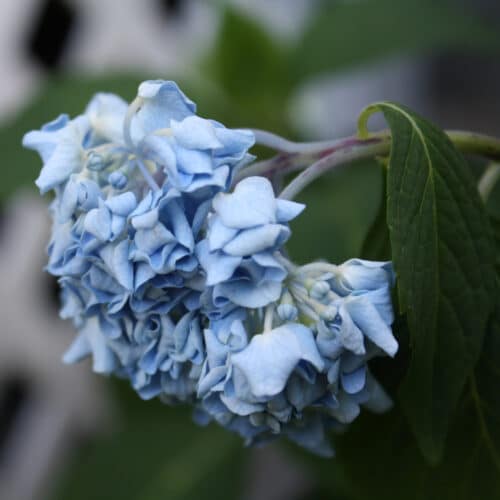
Hydrangeas are especially known for wilting during the hottest part of the day. Other plants may droop, curl their leaves, or roll their leaf edges inward. These responses help reduce the amount of leaf surface exposed to sunlight, which allows the plant to conserve moisture. It’s important to note that, as the Illinois Extension explains in its guidance on heat stress, plants may wilt during extreme heat even when moisture is still available in the soil.
While wilted foliage can look alarming, it does not always mean the plant needs to be watered immediately. If the soil is still moist, the plant will often recover during the evening as temperatures fall. Adding more water to already-moist soil can create additional stress by depriving roots of oxygen and encouraging root rot.
Check the Soil Before Watering
Before reaching for the hose, check the soil several inches below the surface. If it feels moist, wait and check the plant again later in the day. If the soil is dry and the plant does not recover after temperatures cool, it likely needs water.
Also watch for leaves that develop brown, dry edges or scorched areas. This can indicate that a plant has remained dehydrated for too long, especially in locations surrounded by pavement or other hardscapes that radiate additional heat.
Water Slowly and Deeply
When watering is necessary, remember to water slowly and deeply. Deep watering encourages roots to grow farther into the soil, where moisture remains available longer. Frequent, shallow watering causes roots to stay near the surface and can make plants more vulnerable during periods of heat and drought.
Established trees and shrubs may only need deep watering once a week during dry weather, while roses, perennials, new plantings, and container plants may require more frequent attention. Rainfall, soil type, sun exposure, plant maturity, and drainage should all be considered. There is no single watering schedule that works for every landscape.
Water early in the morning whenever possible. Direct water toward the soil and root zone rather than spraying the foliage. A layer of mulch can also help keep the soil cooler and reduce moisture loss.
Every landscape is different, and watering needs can change based on the plant, weather, soil, and growing conditions. For more detailed recommendations, refer to our Planting & Watering Guide. It includes practical guidance for watering trees, shrubs, perennials, and other newly installed plants.
Japanese Beetle Damage
Japanese beetles usually appear in our area around late June or early July. Adult activity is often concentrated into a four- to six-week period, but a large population can cause considerable damage during that time.
How to Recognize Japanese Beetles and Their Damage
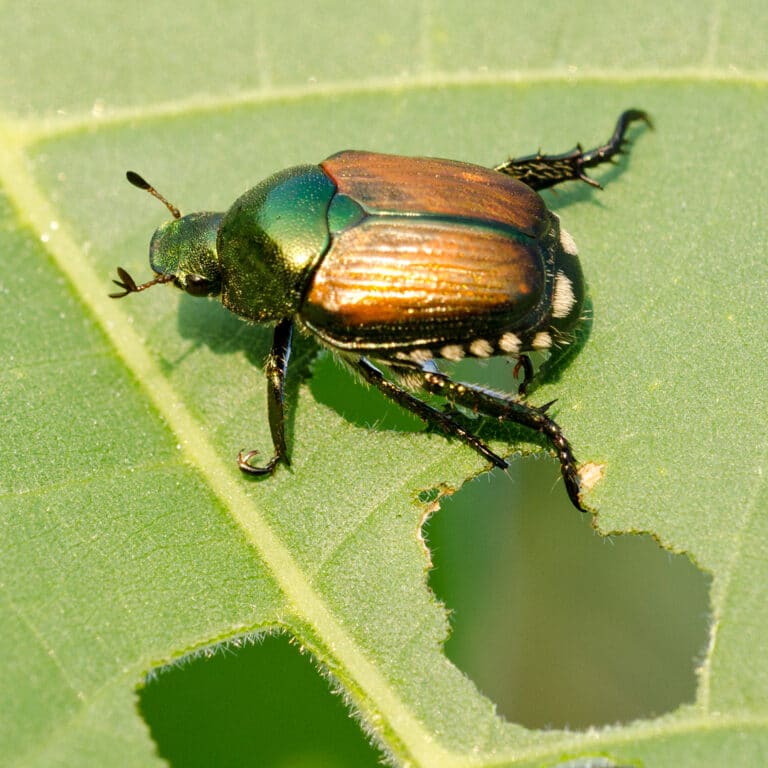
These metallic green and copper-colored beetles feed on hundreds of plant species. Roses, grapes, crabapples, lindens, cherries, and members of the rose family are among their favorite meals. The Illinois Extension Japanese beetle guide offers additional information about their appearance, lifecycle, preferred plants, and feeding habits.
Japanese beetles cause damage by eating the soft tissue between leaf veins, leaving behind foliage that looks thin, brown, and lace-like. This is often described as skeletonized foliage. They may also feed on flower petals and developing fruit.
How to Manage Japanese Beetles
When beetle numbers are low, hand removal can be very effective. Visit affected plants early in the morning, when the beetles are less active, and shake or pick them into a bucket of soapy water. Removing beetles promptly is important because beetles feeding on a plant can attract additional beetles to the same area. Inspect susceptible plants regularly instead of waiting until a large group has gathered.
For more widespread infestations, a product labeled for controlling Japanese beetles may be appropriate. Bonide Eight is one available option. Always confirm that the product is labeled for the plant being treated and follow all application directions.
Avoid spraying open flowers or applying insecticides when pollinators are active. Many broad-spectrum insecticides can affect bees and other beneficial insects along with the targeted pest. Japanese beetle traps are also generally not recommended near valued plants because the lure can attract more beetles to the area than the trap captures.
Although the damage to leaves may appear severe, established plants can often tolerate some Japanese beetle feeding. The goal is not necessarily to eliminate every beetle but to prevent extensive damage and protect the plant’s overall health.
Powdery Mildew
Powdery mildew is one of the most recognizable plant diseases. It appears as a white or gray powdery coating on leaves and stems. Susceptible plants include lilacs, ninebark, magnolias, roses, flowering dogwoods, peonies, garden phlox, zinnias, cucumbers, and zucchini.
What Causes Powdery Mildew?
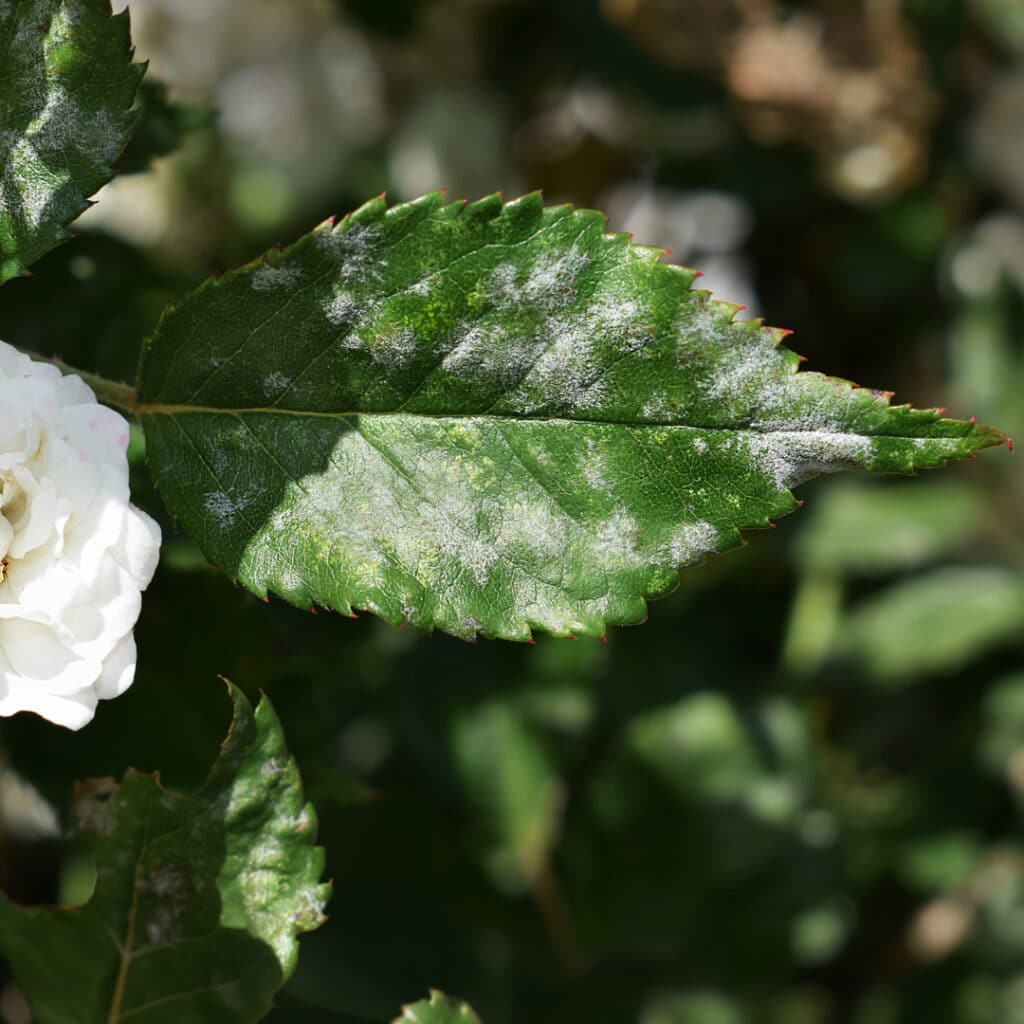
Powdery mildew commonly develops when warm days are followed by cooler nights with high humidity. Crowded plants, limited airflow, and stressed foliage can worsen the problem. Additional photos and identification details are available in the Illinois Extension powdery mildew guide.
While powdery mildew is unsightly, it does not always cause lasting harm. A severe infection, however, can reduce photosynthesis, weaken a plant, and cause leaves to yellow or drop prematurely. Repeated or prolonged infections can contribute to continued decline and may eventually cause the plant to die, especially when it is already under stress.
How to Prevent Powdery Mildew
Good airflow is one of the best defenses against powdery mildew. Space plants appropriately and selectively thin dense growth when needed. Removing crowded or crossing branches can allow more air and sunlight to move through a plant.
Water at the base of plants rather than wetting the leaves. Morning watering is best because any moisture that reaches the foliage has time to dry during the day. The goal is to maintain consistent soil moisture without keeping the root zone saturated.
How to Treat Powdery Mildew
When powdery mildew first appears, remove heavily affected leaves where practical and dispose of them. Avoid removing so much foliage that the plant experiences additional stress.
A copper fungicide or another product labeled for powdery mildew may help slow or stop the disease from spreading. The role of fungicides is to protect healthy growth, but they cannot repair leaves that are already damaged. Early identification and treatment provide the best results.
Always read the product label before applying a fungicide. Check the label to make sure it lists the affected plant, then follow its timing, application rate, and temperature guidelines.
Summer Patch and Other Lawn Diseases
Hot, humid weather can create problems in the lawn too. Cool-season grasses naturally experience stress during summer and may begin entering dormancy. Excess moisture, compacted soil, low mowing heights, heavy fertilization, poor root development, and excessive thatch can all make turf more vulnerable to disease.
How to Recognize Summer Patch
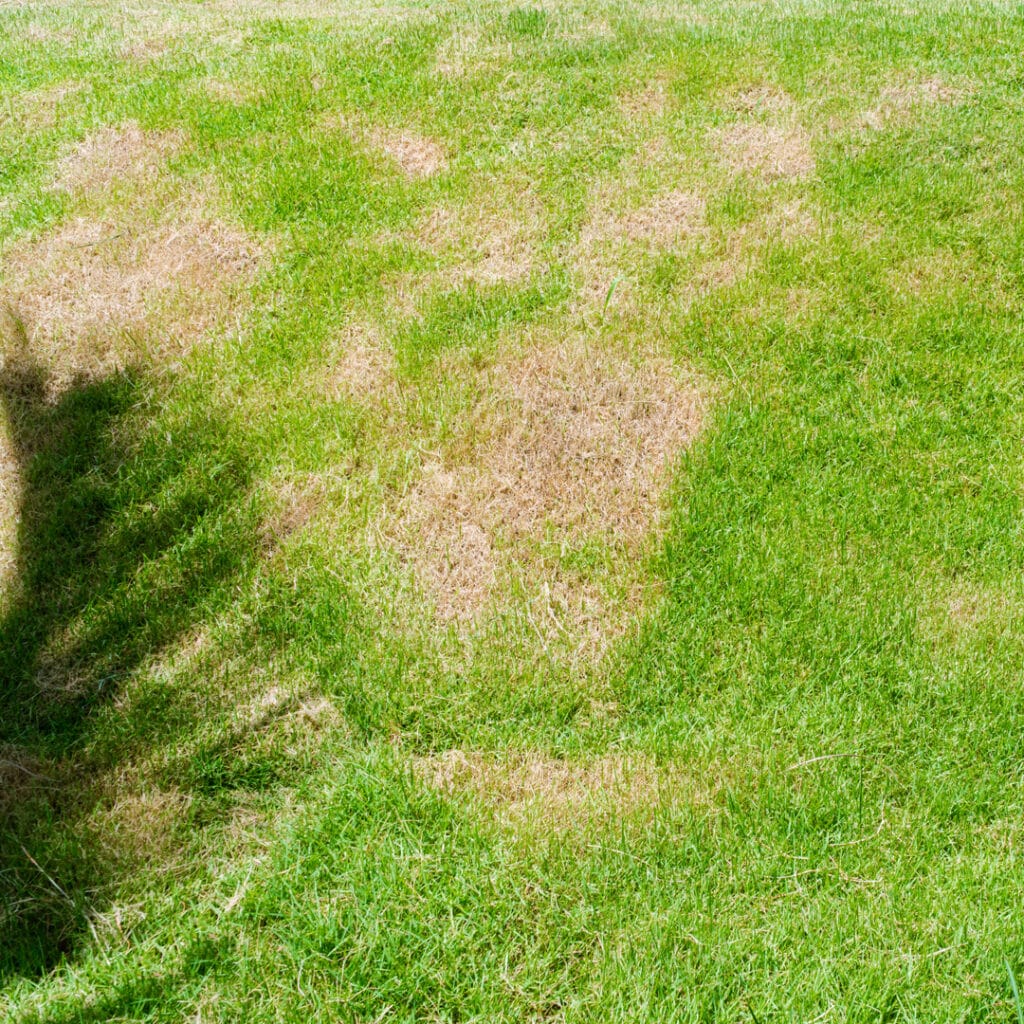
Summer patch may begin as small, light green areas measuring only a few inches across. These patches can enlarge, fade to tan, and develop into circular shapes, irregular areas, or long streaks. The Illinois Extension guide to lawn patch diseases includes additional symptoms, contributing conditions, and long-term management recommendations.
Several turf problems can create similar symptoms, so appearance alone may not provide a definitive diagnosis. Before applying a treatment, consider other possible causes of brown turf. Drought stress, insect damage, pet urine, mower injury, compacted soil, and irrigation problems can all create patches that resemble disease.
Reduce Stress on Your Lawn
Avoid mowing the lawn too short. Taller grass develops a larger root system and shades the soil, helping it retain moisture. Never remove more than one-third of the grass blade in a single mowing.
Water early in the morning and avoid keeping the lawn constantly wet. Irrigation should supplement rainfall rather than follow a fixed schedule regardless of conditions. Avoid heavy summer fertilizer applications, which can force tender new growth while the lawn is already under stress.
Core aeration and dethatching can improve long-term lawn health, but these practices are best completed when cool-season turf is actively growing. Early fall is generally a better time for completing these maintenance tasks than the hottest part of summer.
When to Consider a Fungicide
A systemic fungicide such as Infuse may help protect unaffected turf and slow disease development when applied at the first signs of a properly identified fungal disease. It’s important to note that fungicides will not immediately restore dead grass or correct the underlying conditions that allowed the disease to develop in the first place.
Always follow the product label and consider seeking professional identification when symptoms are unclear. Correctly identifying the problem helps avoid unnecessary treatments and ensures that the lawn receives the appropriate care.
Summer Pruning and Deadheading
The combination of a wet spring and recent storms has produced substantial growth on many landscape plants. By midsummer, some shrubs and evergreens may look overgrown, uneven, or damaged.
Shrubs such as forsythia, viburnum, and privet can be shaped after their spring flowering period. Light pruning can remove stray growth and help maintain a more attractive form. Yews, boxwoods, and junipers can also be lightly trimmed during summer.
Proper timing matters because many spring-flowering shrubs develop the following year’s flower buds on older growth. Pruning too late in the season may remove those buds and reduce, or eliminate, next spring’s flowers. These Illinois Extension tips for pruning flowering shrubs offer additional guidance based on when different plants bloom.
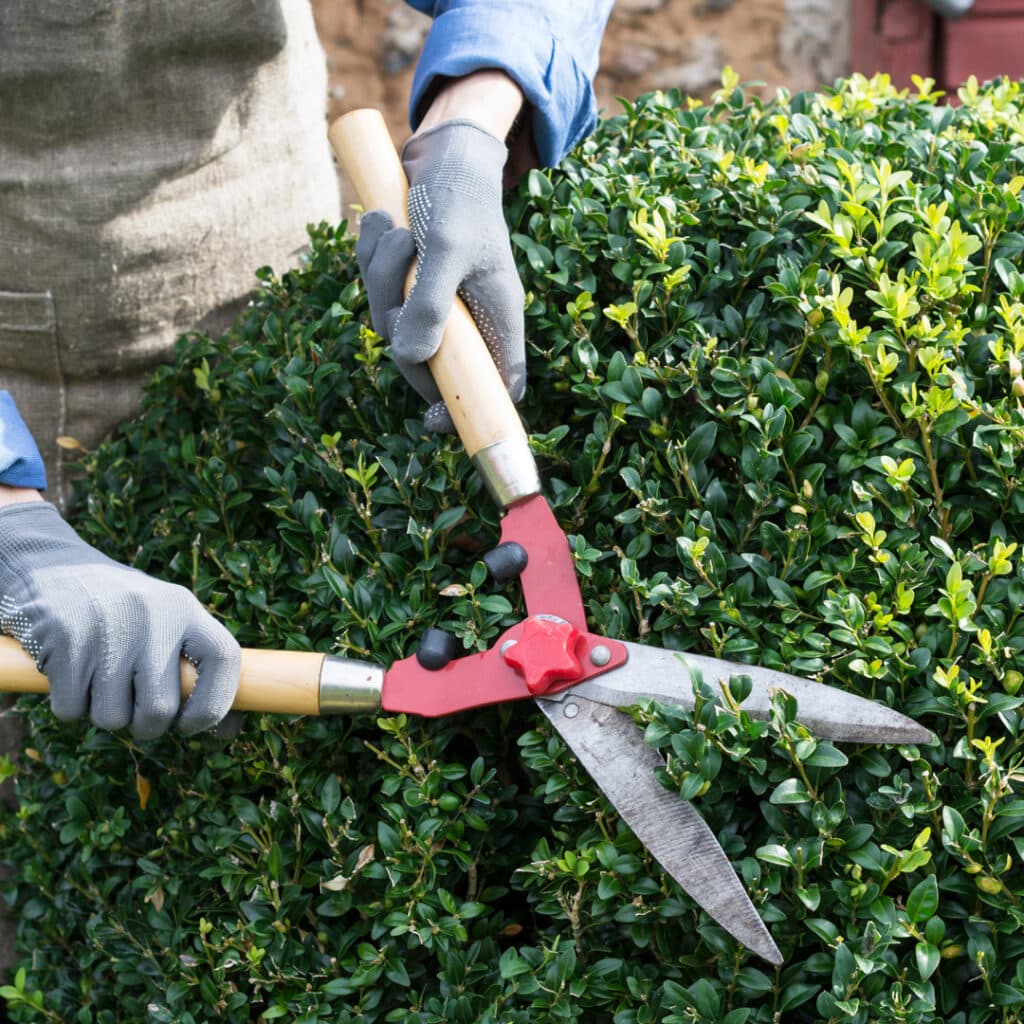
Avoid aggressive pruning during periods of extreme heat or drought. Removing too much foliage reduces the plant’s ability to produce energy and may expose previously shaded leaves and branches to sunscald. Wait for a more appropriate season before completing major renovation pruning.
Fruit trees may receive limited summer pruning to remove water sprouts, suckers, damaged branches, or growth interfering with airflow. Extensive structural pruning should be timed according to the tree’s type and condition.
Spring-flowering perennials can be deadheaded once their flowers fade. Many annuals also benefit from regular pinching and deadheading, which redirects energy toward branching and new blooms instead of seed production.
Before making any cuts, inspect plants for broken, split, diseased, or rubbing branches. Always use clean, sharp tools and avoid leaving ragged cuts that will be attractive to pests and diseases.
Summer Weed Control Tips for Gardens and Landscapes
Summer weeds grow quickly and compete with desirable plants for water, nutrients, sunlight, and space. Common warm-season offenders include crabgrass, nutsedge, spurge, pennycress, clover, eclipta, mustard, knotweed, horseweed, and pokeweed.
Correct identification is important because different types of weeds may require different control methods. The Illinois Extension lawn weed guide provides additional information about weed prevention and management.
Remove Weeds Before They Spread
Weekly inspections can prevent small weed problems from becoming overwhelming. Hand-pull weeds when the soil is slightly moist, making sure to remove as much of the root system as possible. This is especially important for weeds that are capable of regrowing from underground roots or tubers.
Young weeds are easier to remove and control than mature plants. Pull or treat them before they flower and produce seed. Mulching garden beds can also block sunlight from reaching weed seeds and make new weeds easier to remove.
Apply Weed-Control Products Carefully
For weeds growing in a lawn, Bonide Weed Beater Ultra or an organic option such as Captain Jack’s Lawnweed Brew may be appropriate when the target weed appears on the product label.
Apply weed-control products only under suitable weather conditions. Avoid applying many weed-control products when temperatures exceed 85°F, as high heat can increase the risk of lawn or plant injury. Choose a calm, dry day when the forecast shows no rain, and wait if wind could carry the spray onto nearby flowers, shrubs, vegetables, or trees.
Some established weeds may require a second spot treatment. Follow the product label for the correct interval instead of automatically reapplying after a set number of days. Nutsedge may require a product specifically labeled for sedges because ordinary broadleaf weed controls may not be effective.
Even when weed control products are used, regular hand-pulling and cultivation remain two of the best ways to keep weeds from gaining ground during summer.
Finding the Right Treatment for Your Summer Plants
Summer plant care often comes down to careful observation. Wilted foliage may be a temporary response to afternoon heat, while discolored leaves, expanding lawn patches, or rapid insect damage may signal a problem that requires action.
Check soil moisture before watering. Identify insects, weeds, and diseases before selecting a treatment. Make small, targeted corrections whenever possible, and remember that more water, fertilizer, or pesticide is not always better.
If you are unsure what is affecting your plant, our plant experts are here to help. Submit a Plant Rx request with clear photos and information about what you are seeing, or bring photos and a sample of the affected foliage to our Garden Center. Our knowledgeable team can help identify the problem and recommend the appropriate next steps.