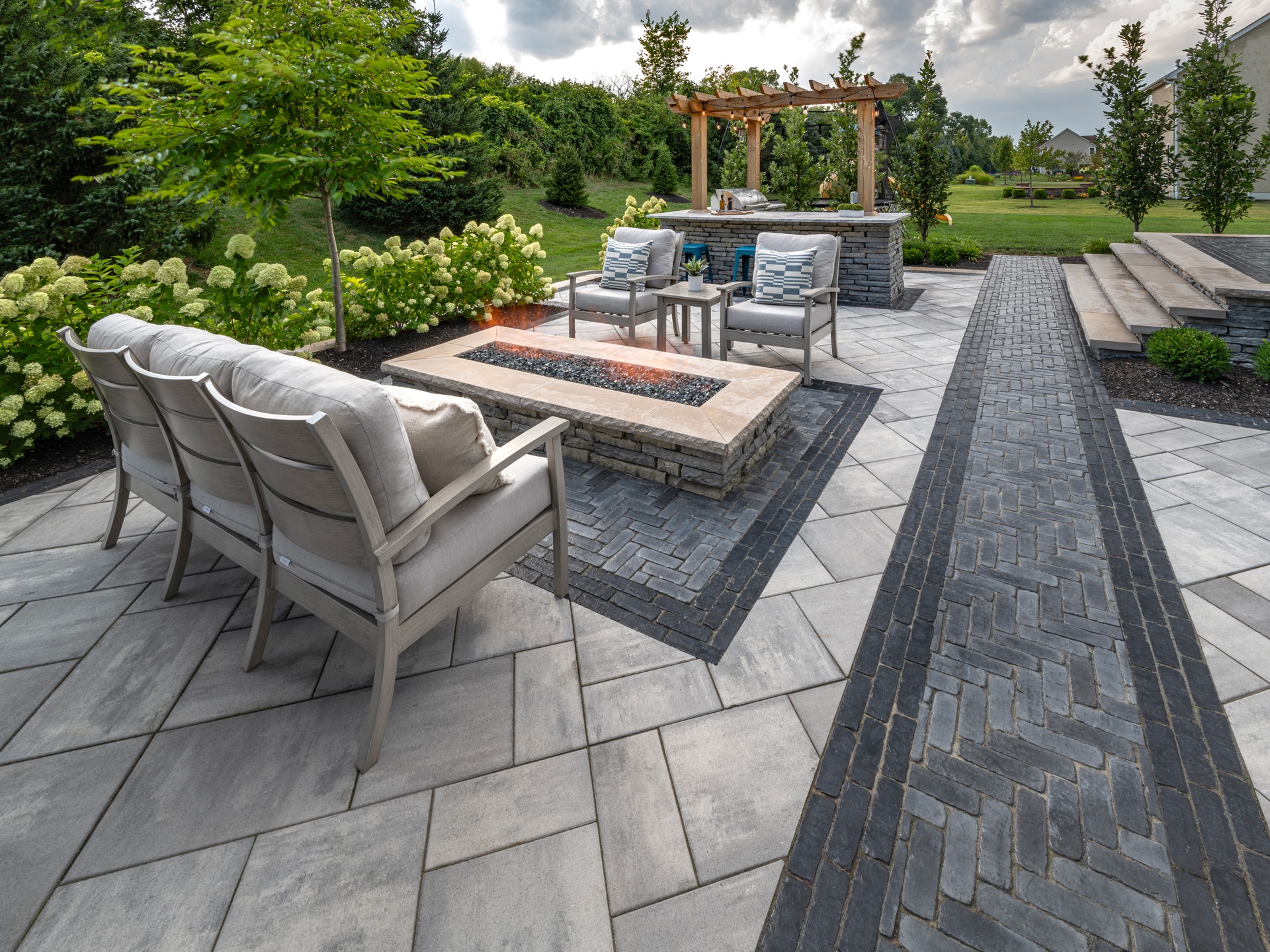
Patios, walkways, driveways, retaining walls, and other hardscape surfaces face constant exposure to foot traffic, spills, dirt, moisture, and changing weather. Over time, concrete pavers and natural stone can develop stains, discoloration, efflorescence, and other signs of wear. That’s where hardscape cleaners and sealers come into play.
The right hardscape cleaners and sealers can help restore a surface, protect it from stains, and make future maintenance easier. Success begins with identifying the material, determining what caused the stain, and selecting a compatible product.
Why Hardscape Cleaning Matters
Routine cleaning removes dirt and grime before they become deeply embedded in a porous surface. More specialized cleaning may be necessary when dealing with oil, mineral deposits, efflorescence, paint, adhesives, or an old coating.
Understanding how hardscape cleaners and sealers work together can help prevent uneven results. Cleaning removes contaminants and prepares the hardscape, while sealing adds protection after the surface has been properly cleaned and allowed to dry. Applying sealer over stains, residue, or efflorescence can trap those contaminants beneath the finished surface.
Not every hardscape requires the same treatment. A lightly soiled porcelain patio may need a different approach than a concrete paver driveway with oil stains or a limestone walkway with organic buildup.
Identify the Problem Before Choosing a Cleaner
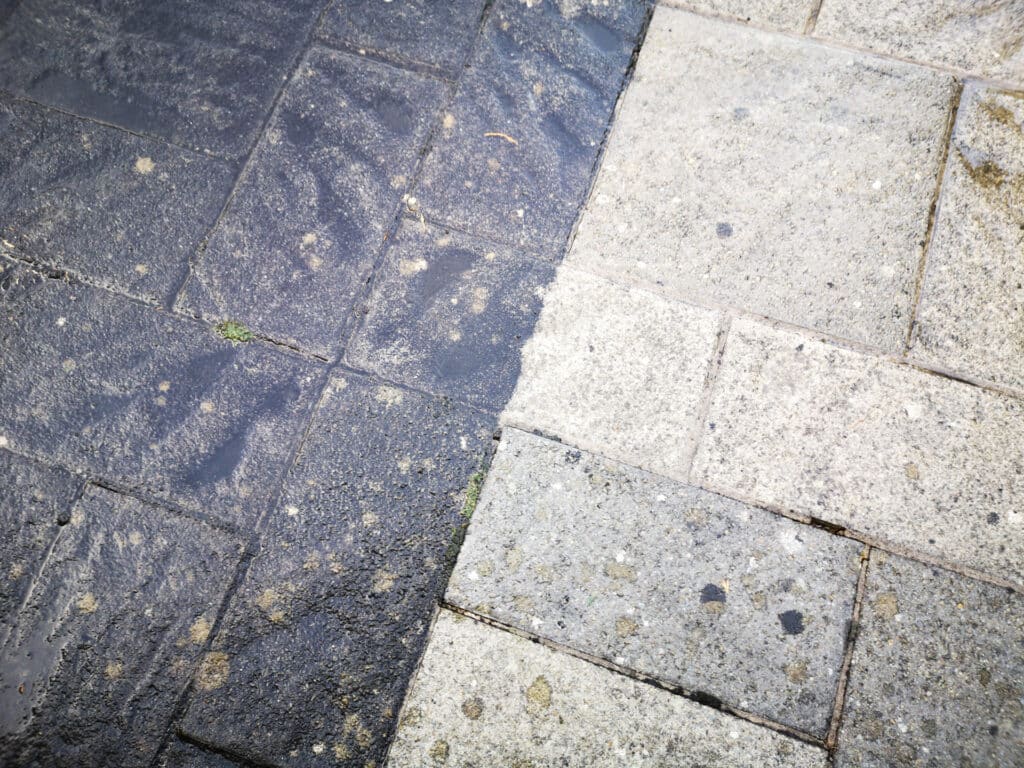
There is no single product that safely handles every surface and stain. When comparing hardscape cleaners and sealers, begin by identifying what you need to remove and what material lies beneath it.
Dirt, Grease, and Ground-In Grime
An alkaline cleaner is often the right starting point for dirt, grease, oil, and grime found on patios, walkways, and other high-traffic areas. These cleaners break down organic and oily contaminants without relying on acid, which can damage some hardscape materials.
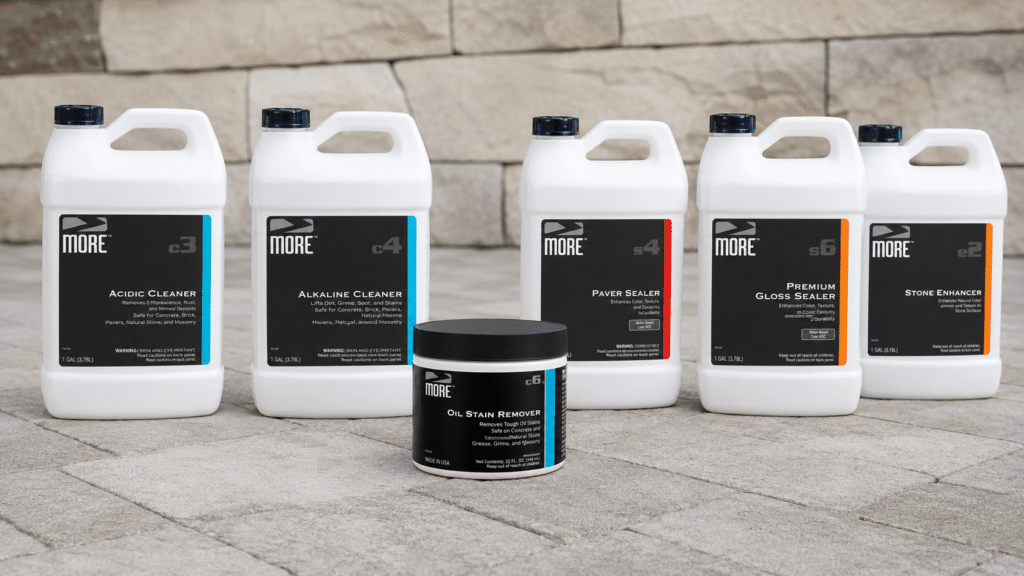
MORE® Alkaline Cleaner is formulated for concrete pavers, natural stone, porcelain pavers, and more. It can help remove food spills, cooking grease, vehicle residue, and accumulated grime. However, oil that has penetrated deeply into a porous surface may require a more targeted treatment.
Efflorescence, Grout Haze, and Mineral Deposits
Efflorescence often appears as a white or gray haze on concrete, masonry, pavers, and some natural stone. It develops when moisture carries soluble salts to the surface and then evaporates. While it is not usually a structural concern, it can affect the appearance of a finished hardscape.
Acidic cleaners can remove efflorescence, cement-based grout haze, and mineral deposits from compatible surfaces. MORE® Acidic Cleaner is intended for concrete pavers, porcelain pavers, grout, and non-acid-sensitive natural stone.
Acidic cleaners require careful product selection because they can permanently damage some materials. Do not use MORE® Acidic Cleaner on marble, limestone, travertine, or other acid-sensitive surfaces. Always confirm compatibility and test the cleaner in an inconspicuous area first.
Set-In Oil Stains
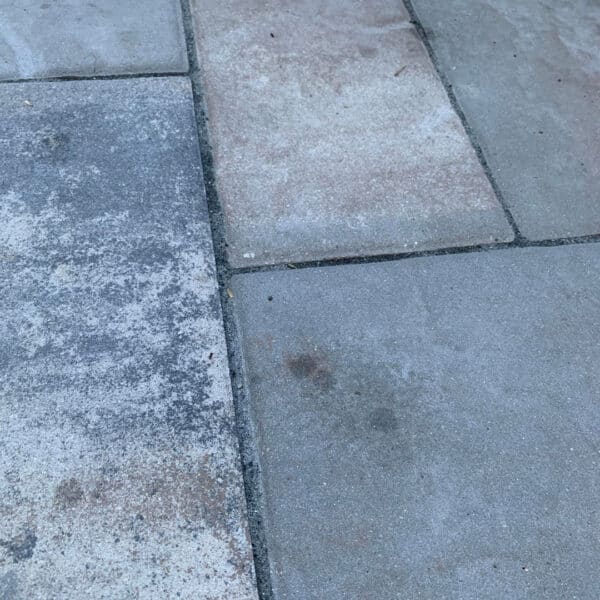
Oil can penetrate concrete pavers, natural stone, grout, and other porous masonry surfaces. A general cleaner may remove residue from the top while leaving a dark stain below.
A poultice-style product such as MORE® Oil Stain Remover draws set-in oil from porous materials as it dries. This targeted approach can be useful for driveways, outdoor kitchens, grilling areas, and other spaces exposed to oil or grease. Older or deeper stains may require more than one treatment.
Paint, Adhesive, and Old Coatings
Paint, adhesives, and failed topical coatings may require a specialized coating stripper rather than a general hardscape cleaner. However, removing these materials can be difficult, particularly when you do not know what product was previously applied or how it will react with the surface beneath it.
For this type of restoration, consider working with an experienced hardscape cleaning and sealing professional. A professional can evaluate the coating, select an appropriate removal method, and reduce the risk of discoloration, surface damage, or an uneven finish. If you decide to handle a small project yourself, confirm product compatibility and test the process in an inconspicuous area before continuing.
Know Your Hardscape Surface
Concrete pavers, clay pavers, porcelain, granite, bluestone, limestone, and travertine vary in composition, density, porosity, and chemical sensitivity. Those differences affect how they absorb stains and respond to cleaners.
Concrete pavers and many natural stones are porous, but not every stone reacts the same way. Granite and slate generally respond differently to acidic products than calcium-based stones such as limestone, marble, and travertine. Porcelain is less porous, but cleaners can still affect its grout, joint material, existing coatings, and surrounding surfaces.
If you are unsure what material you have, identify it before selecting a cleaner or sealer. Bring a photo or material sample to your nearest Lurvey location, and our specialists can help you identify the surface and compare appropriate products. You can also explore our selections of concrete pavers, natural stone pavers, and porcelain pavers to become more familiar with the differences.
Clean Before You Seal
A clean surface gives the sealer the best opportunity to penetrate or bond evenly. Sealing over stains will not hide them and may make them harder to correct later.
After cleaning, rinse the hardscape thoroughly when the product directions call for it. Cleaner left on or within the material could interfere with the sealer. The surface must then dry completely before application. A hardscape may appear dry on top while still holding moisture below.
Lurvey Pro Tip: Allow Time to Dry
Do not judge dryness by appearance alone. Temperature, shade, humidity, weather, and surface porosity can affect drying time. Follow the manufacturer’s requirements before applying a sealer.
What Does a Hardscape Sealer Do?
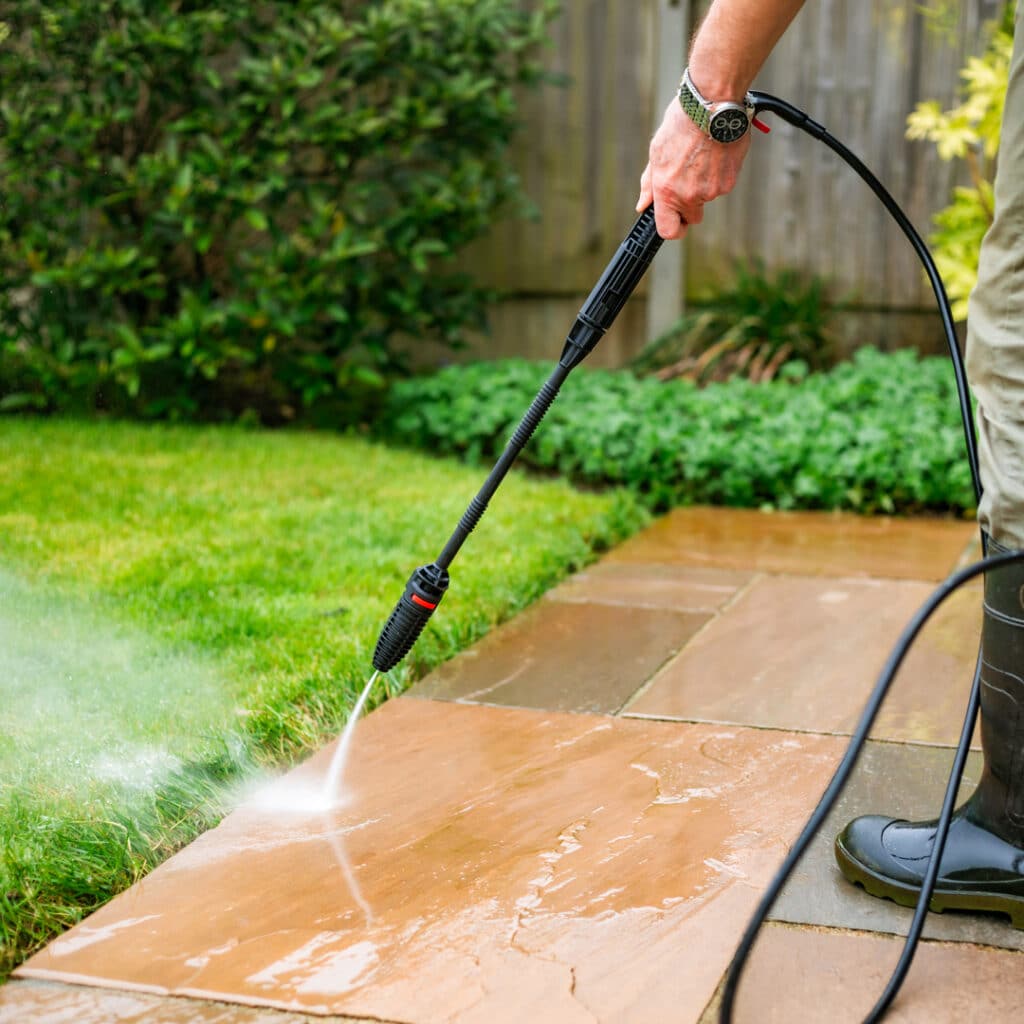
Depending on its formula, a hardscape sealer either penetrates the material or forms a protective film on its surface. It can help resist oil and water based stains, reduce the absorption of contaminants, and make routine maintenance easier.
Certain formulas may also minimize efflorescence or stabilize joint sand. These benefits vary by product, so review the sealer’s features instead of assuming every formula performs the same functions.
Sealing does not make a patio, driveway, or walkway maintenance-free. Spills still require prompt attention, and the surface will continue to collect dirt. Instead, sealer provides an additional layer of protection that can help preserve the hardscape’s appearance.
Choosing the Right Sealer and Finish
Choosing among hardscape cleaners and sealers involves more than selecting a preferred brand. The right sealer depends on the material, how the space is used, and the appearance you want to achieve. A busy driveway or outdoor kitchen may need strong protection against oil and water based stains, while a decorative patio may place greater emphasis on preserving or enhancing the material’s color and texture.
Sealers also protect surfaces in different ways. Penetrating sealers absorb into the material and create a protective barrier below the surface. They typically maintain a more natural appearance. Film-forming sealers create a visible layer on top of the material and may add sheen, deepen color, or help stabilize joint sand.
Finish and performance are not the same thing. A glossy sealer is not automatically more protective than a natural-look product. Each formula offers different features, so compare its recommended surfaces, stain resistance, finish, and application requirements before choosing.
Consider how the finished surface will look throughout the entire space. Enhancing and gloss sealers can deepen colors and make variations within pavers or natural stone more noticeable. This may create the exact look you want, but it can also produce a more dramatic change than expected.
Sealers may also differ in formulation and function. Some products focus primarily on stain or water resistance, while others combine surface protection with joint-sand stabilization. Lurvey carries water-based and solvent-based options from several manufacturers. Neither type is automatically right for every project, so compare surface compatibility, existing coatings, application requirements, and the desired finish before selecting one.
Lurvey Pro Tip: Test the Final Appearance
Test the sealer in an inconspicuous area and allow it to cure completely before evaluating the result. The finished color and sheen may look different from the surface immediately after application.
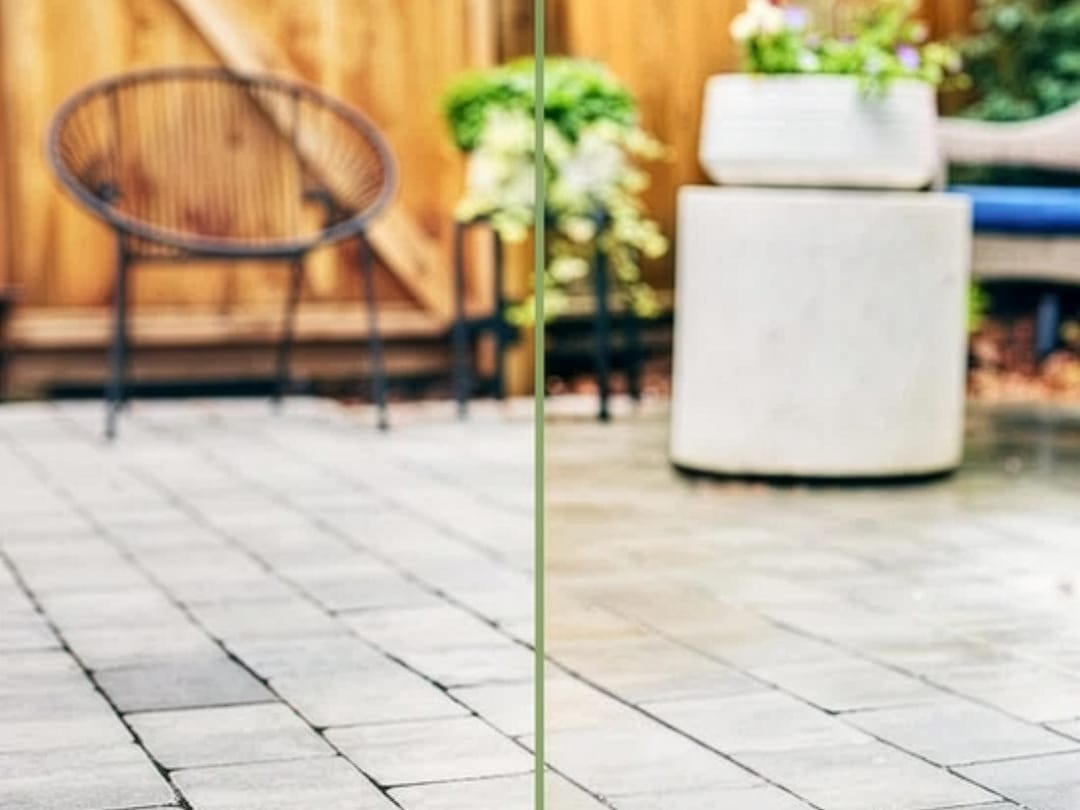
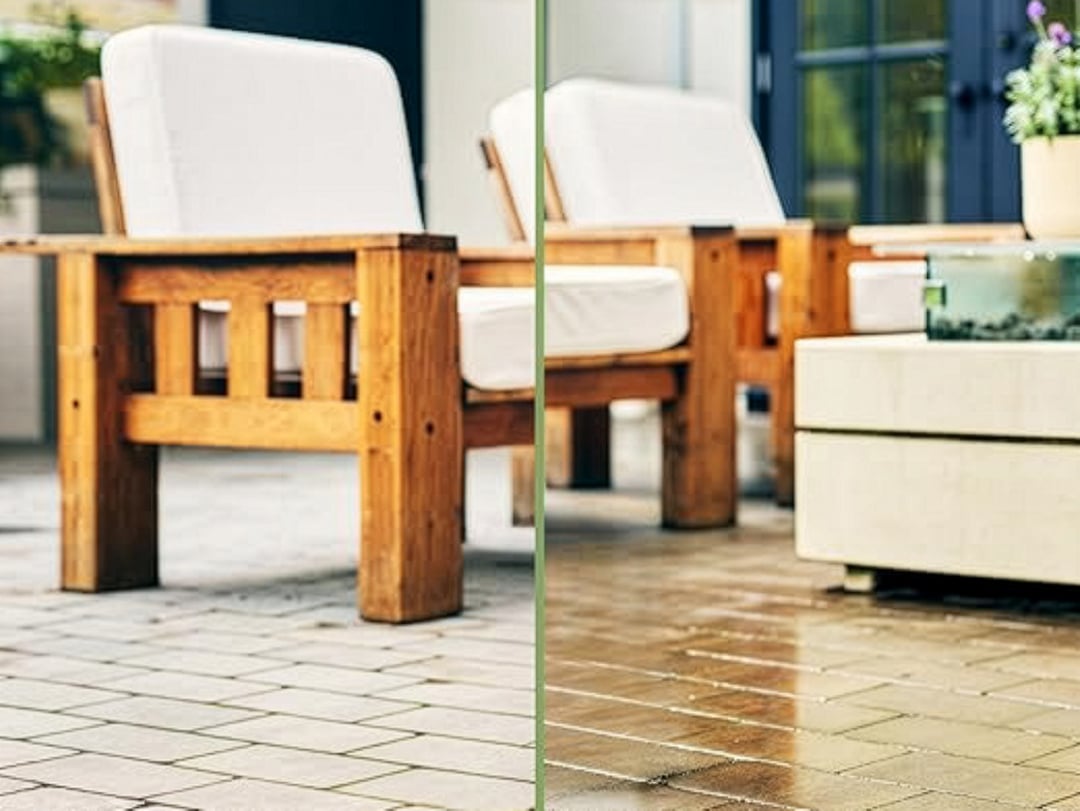
Natural-Look Penetrating Sealers
A penetrating sealer absorbs into the material and creates a protective barrier below the surface. It is a good choice when stain or water resistance is important, but you do not want to add noticeable gloss.
MORE® Paver Sealer is a water-based penetrating product for concrete pavers and compatible natural stone. It creates an invisible barrier against oil- and water-based stains while preserving a natural appearance.
Other natural-look options provide additional project-specific benefits. SEK Surebond SB-4000 Water Repellent Sealer is a water-based, non-film-forming sealer designed to repel water and help protect compatible surfaces from salt damage. It dries transparent on most surfaces without creating a glossy finish.
When joint-sand stabilization is also a priority, SEK Surebond SB-1300 Joint Stabilizer Sealer combines surface protection and joint stabilization with a clear, matte finish. Sure Brick Natural Penetrating Sealer offers another natural-finish option for compatible natural stone, clay, concrete, aggregate, and other hardscape materials.
For natural stone projects, MORE® Premium Stone Sealer provides a natural-looking finish and maximum protection against oil- and water-based stains on compatible stone.
Enhancing Sealers
An enhancing sealer deepens color and highlights the variations and texture found in natural stone. MORE® Stone Enhancer enhances and seals in one application without creating a glossy finish.
The amount of color change varies by material. Testing the product first will show how the stone will look before treating the entire project.
Wet-Look, Gloss, and High-Gloss Sealers
Wet-look and gloss sealers create a more visible finish that deepens color and adds sheen. Depending on the formula, they may also protect against stains and stabilize joint sand. The finished appearance can range from a subtle wet look to a brilliant high-gloss surface.
MORE® Premium Gloss Sealer is a water-based option that provides a high-gloss finish, stain protection, and joint-sand stabilization on compatible concrete pavers, natural stone, and concrete surfaces.
For a wet-look, semi-gloss finish, SEK Surebond SB-8700 Wet Look Stabilizer combines surface protection with joint-sand stabilization. It is a solvent-based product intended for outdoor use on compatible pavers, concrete, and masonry surfaces.
Sure Brick Wet Look Stabilizing Sealer provides another solvent-based wet-look option for compatible clay, concrete, natural stone, aggregate, and stamped concrete surfaces.
Wet look, gloss, and high gloss describe appearance rather than a simple progression in quality. Compare the product’s formulation, recommended surfaces, stabilization properties, and maintenance requirements before choosing a finish.
Product compatibility and availability can vary by surface and location. Bring project photos, surface information, and details about any previously applied products to your local Lurvey location. Our specialists can help you compare options from MORE®, SEK Surebond, Sure Brick, and other manufacturers.
Tips for Successful Application
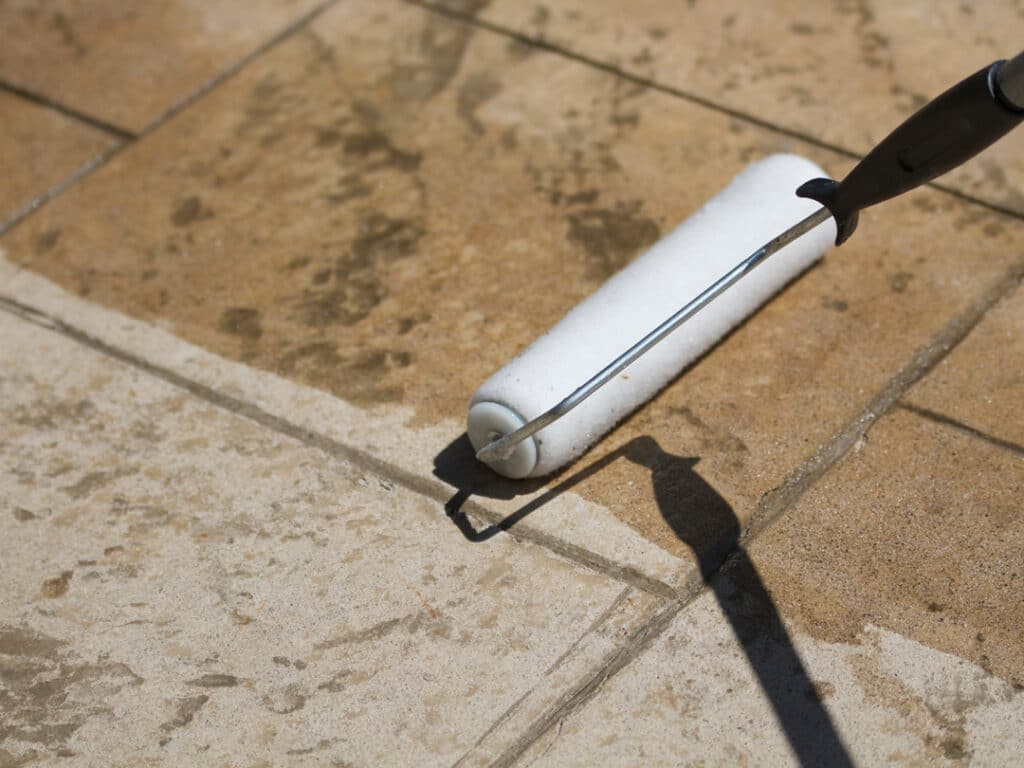
Read the complete product label before starting, even if you have used a similar cleaner or sealer before. Confirm surface compatibility, determine whether an existing coating must be removed, and protect nearby plants, siding, glass, furniture, and metal from runoff or overspray.
Weather also plays an important role. Avoid applying products when temperatures fall outside the recommended range or when rain, strong wind, excessive heat, or high humidity could affect application and curing.
When applying sealer, more is not necessarily better. Excess product may cause streaks, uneven gloss, cloudiness, or a tacky finish. Apply only the recommended amount with the proper equipment, then keep people, furniture, and vehicles off the area for the full cure time.
Lurvey Pro Tip: More Sealer is Not Better
Apply only the amount recommended by the manufacturer. Excess sealer may remain on the surface and cause streaks, cloudiness, uneven gloss, or a tacky finish.
Common Cleaning and Sealing Mistakes
Many disappointing results come from selecting the wrong product or rushing surface preparation. Using an acidic cleaner on acid-sensitive stone can cause permanent etching or discoloration. Sealing over dirt, stains, or efflorescence can preserve those blemishes beneath the finished surface.
Other common mistakes include skipping the test area, sealing before the hardscape has fully dried, applying too much product, and placing a new sealer over an incompatible coating. Taking time to assess the surface and follow the instructions can prevent many of these problems.
Find the Right Hardscape Cleaners and Sealers at Lurvey
Lurvey carries hardscape cleaners and sealers from MORE®, SEK Surebond, Sure Brick Sealers, and other manufacturers. Bring project photos, surface information, and details about previously applied products to the Lurvey for help comparing your options.
Before selecting a product, identify the hardscape material, the type of stain or coating, the approximate age of the installation, and anything previously applied. Photos can also help explain the condition of the surface.
Explore Lurvey’s selection of hardscape cleaners and sealers online or visit a Lurvey location for assistance. Our team can help you compare products and find an appropriate treatment for your surface and project goals.